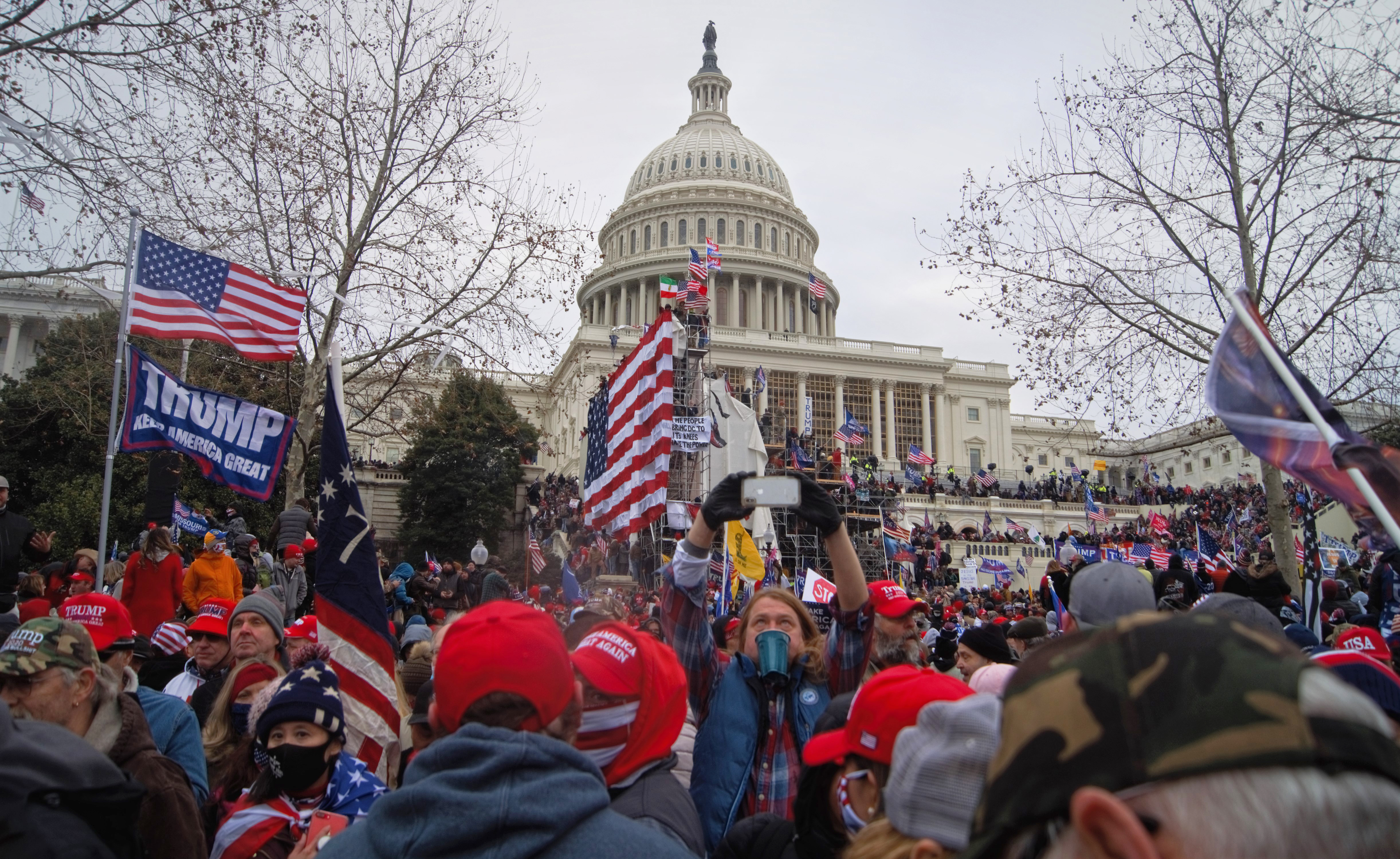
The U.S. Senate approved a war-powers resolution on June 23, 2026, calling for an end to U.S. involvement in the Iran conflict [1, 2, 3].
This vote represents a historic shift in congressional oversight of military engagement. By passing the resolution, the Senate has formally signaled its disapproval of the executive branch's management of the conflict and attempted to limit the president's authority to maintain military operations without legislative consent.
The resolution, which had previously passed the House of Representatives, marks the first time the Senate has approved such a measure [1, 2, 3]. The action is a direct rebuke of President Donald Trump and his administration's approach to the hostilities [1, 2].
Lawmakers sought to use the resolution to pressure the White House to wind down the conflict [1, 3, 4]. The move highlights a growing divide between the legislative branch and the presidency regarding the strategic necessity, and legality, of the ongoing engagement in the region.
The proceedings took place in the U.S. Senate chamber in Washington, D.C. [1, 2]. While the resolution serves as a powerful symbolic and political statement, its legal impact on the president's ability to direct the military remains a subject of debate among constitutional scholars.
By aligning with the House, the Senate has created a unified congressional front against the current war strategy. This development suggests a broader political appetite for reducing the U.S. military footprint in the Iran conflict [3, 4].
“The Senate approved a war-powers resolution calling for an end to U.S. involvement in the Iran conflict.”
The Senate's approval of a war-powers resolution is a rare assertion of Article I authority, designed to check the executive's power to wage war. While these resolutions are often non-binding, the unified support from both the House and Senate creates significant political pressure on the administration to alter its foreign policy or face further legislative restrictions on funding and military authorization.


'%2F%3E%0A%20%20%20%20%3Crect%20width%3D'1600'%20height%3D'900'%20fill%3D'url(%23v)'%2F%3E%0A%20%20%20%20%3Cg%20opacity%3D'0.08'%20fill%3D'%23ffffff'%3E%0A%20%20%20%20%20%20%3Ccircle%20cx%3D'1420'%20cy%3D'180'%20r%3D'220'%2F%3E%0A%20%20%20%20%20%20%3Ccircle%20cx%3D'1500'%20cy%3D'760'%20r%3D'120'%2F%3E%0A%20%20%20%20%3C%2Fg%3E%0A%20%20%20%20%3Cline%20x1%3D'80'%20y1%3D'172'%20x2%3D'220'%20y2%3D'172'%20stroke%3D'%23ffffff'%20stroke-width%3D'3'%20stroke-opacity%3D'0.6'%2F%3E%0A%20%20%20%20%3Ctext%20x%3D'80'%20y%3D'140'%20font-family%3D'Inter%2C%20-apple-system%2C%20Helvetica%2C%20sans-serif'%20font-weight%3D'700'%20font-size%3D'28'%20fill%3D'%23ffffff'%20letter-spacing%3D'6'%3EHANNA%20%C2%B7%20NEWS%3C%2Ftext%3E%0A%20%20%20%20%3Ctext%20x%3D'80'%20y%3D'230'%20font-family%3D'Inter%2C%20-apple-system%2C%20Helvetica%2C%20sans-serif'%20font-weight%3D'600'%20font-size%3D'40'%20fill%3D'%23ffffffb3'%20letter-spacing%3D'4'%3EWORLD%3C%2Ftext%3E%0A%20%20%20%20%3Ctext%20x%3D'80'%20y%3D'694'%20font-family%3D'Playfair%20Display%2C%20Georgia%2C%20serif'%20font-weight%3D'800'%20font-size%3D'110'%20fill%3D'%23ffffff'%20letter-spacing%3D'-1'%3ESault%20Area%20Hospital%20Honors%3C%2Ftext%3E%3Ctext%20x%3D'80'%20y%3D'820'%20font-family%3D'Playfair%20Display%2C%20Georgia%2C%20serif'%20font-weight%3D'800'%20font-size%3D'110'%20fill%3D'%23ffffff'%20letter-spacing%3D'-1'%3E2026%20iCcare%20Award%20Winners%3C%2Ftext%3E%0A%20%20%20%20%3Ctext%20x%3D'80'%20y%3D'870'%20font-family%3D'Inter%2C%20-apple-system%2C%20Helvetica%2C%20sans-serif'%20font-weight%3D'500'%20font-size%3D'22'%20fill%3D'%23ffffff66'%20letter-spacing%3D'2'%3Enews.hanna-ai.com%3C%2Ftext%3E%0A%20%20%3C%2Fsvg%3E)