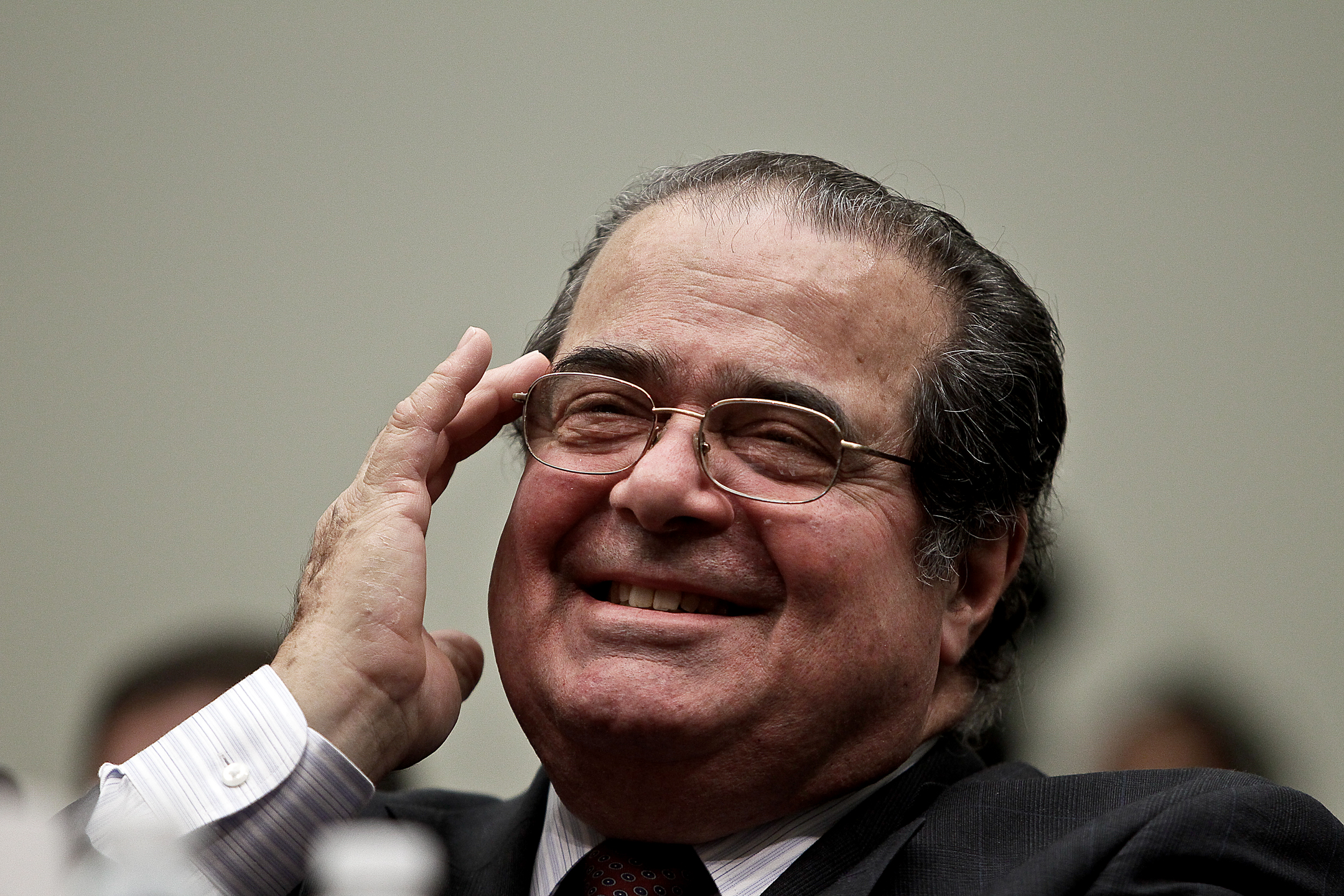
The U.S. Senate unanimously advanced a resolution to suspend the pay of senators during any future government shutdowns [1, 2].
This move is designed to create a direct financial penalty for lawmakers when the federal government ceases operations. By linking their personal income to the status of government funding, the resolution seeks to pressure legislators to reach budget agreements more quickly to avoid personal loss.
Sen. John Kennedy (R-La.) sponsored the resolution [1, 4]. The measure focuses on the ability of the legislative branch to maintain its own payroll even when other federal agencies, such as the Department of Homeland Security, are forced to close due to a lack of appropriations [5].
The resolution received unanimous support from both Democrats and Republicans [2, 5]. This rare bipartisan consensus reflects a growing public frustration with recurring budget stalemates that often leave federal employees without pay while lawmakers continue to receive their salaries.
If fully implemented, the resolution would ensure that senators do not receive their compensation while the government is shut down. This mechanism is intended to serve as a deterrent against the political brinkmanship that often precedes a funding lapse [3, 4].
The Senate's decision to move forward with the resolution signals a shift in how the chamber handles the accountability of its members during fiscal crises. While the measure does not resolve the underlying budget disputes, it changes the personal stakes for those negotiating the deals.
“The U.S. Senate unanimously advanced a resolution to suspend the pay of senators during any future government shutdowns.”
This resolution represents a symbolic and financial shift in legislative accountability. By removing the safety net of guaranteed pay during a shutdown, the Senate is attempting to align the interests of lawmakers with those of federal employees and the general public. While a pay suspension may not be enough to overcome deep ideological divides over spending, it removes a primary criticism of the legislative process during fiscal deadlocks.