
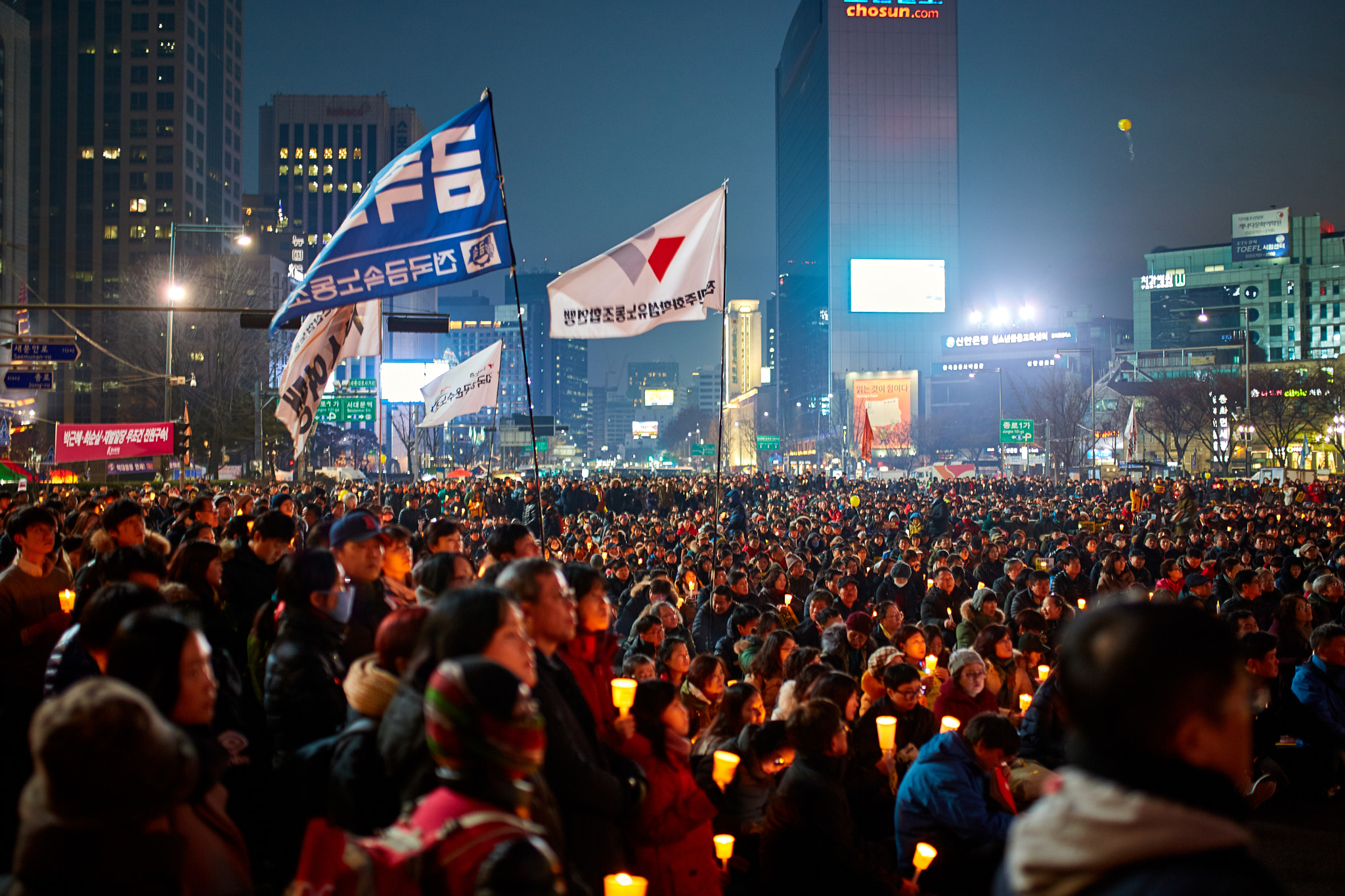
A polling station in Seoul's Songpa-gu district faced a severe ballot shortage on June 5, leading to extended voting hours and protests.
The incident highlights potential systemic failures in the National Election Commission's printing protocols, raising concerns about voter disenfranchisement and the integrity of local election administration.
At the Jamsil 7-dong 2nd polling station, officials provided only 1,900 ballot papers [1] for a total of 3,856 registered voters [2]. This provided coverage for approximately 49% of the registered electorate [3].
To address the shortage, voting hours were extended until 10 p.m. [4]. Despite the extension, the lack of preparation triggered a "2-night-3-day blockade" by protesters demanding a re-election. Police and officials from the Songpa-gu election administration office were deployed to manage the scene.
The National Election Commission said the shortage occurred because the commission lowered the minimum ballot-paper printing ratio for local elections [5]. The previous ratio was 60-70%, but it was reduced to 50% for the current cycle [5].
The discrepancy between the registered voter count and the printed materials left more than half of the eligible voters at the station without immediate access to ballots. This administrative decision directly contributed to the logistical failure at the Jamsil site.
“Only 1,900 ballot papers were printed for a polling station with 3,856 registered voters.”
The reduction of the ballot printing buffer to 50% suggests a cost-saving or efficiency measure by the National Election Commission that failed to account for actual voter turnout. By creating a scenario where more than half the registered voters could be denied a ballot, the commission risked the legal validity of the local results and damaged public trust in the electoral process.


