
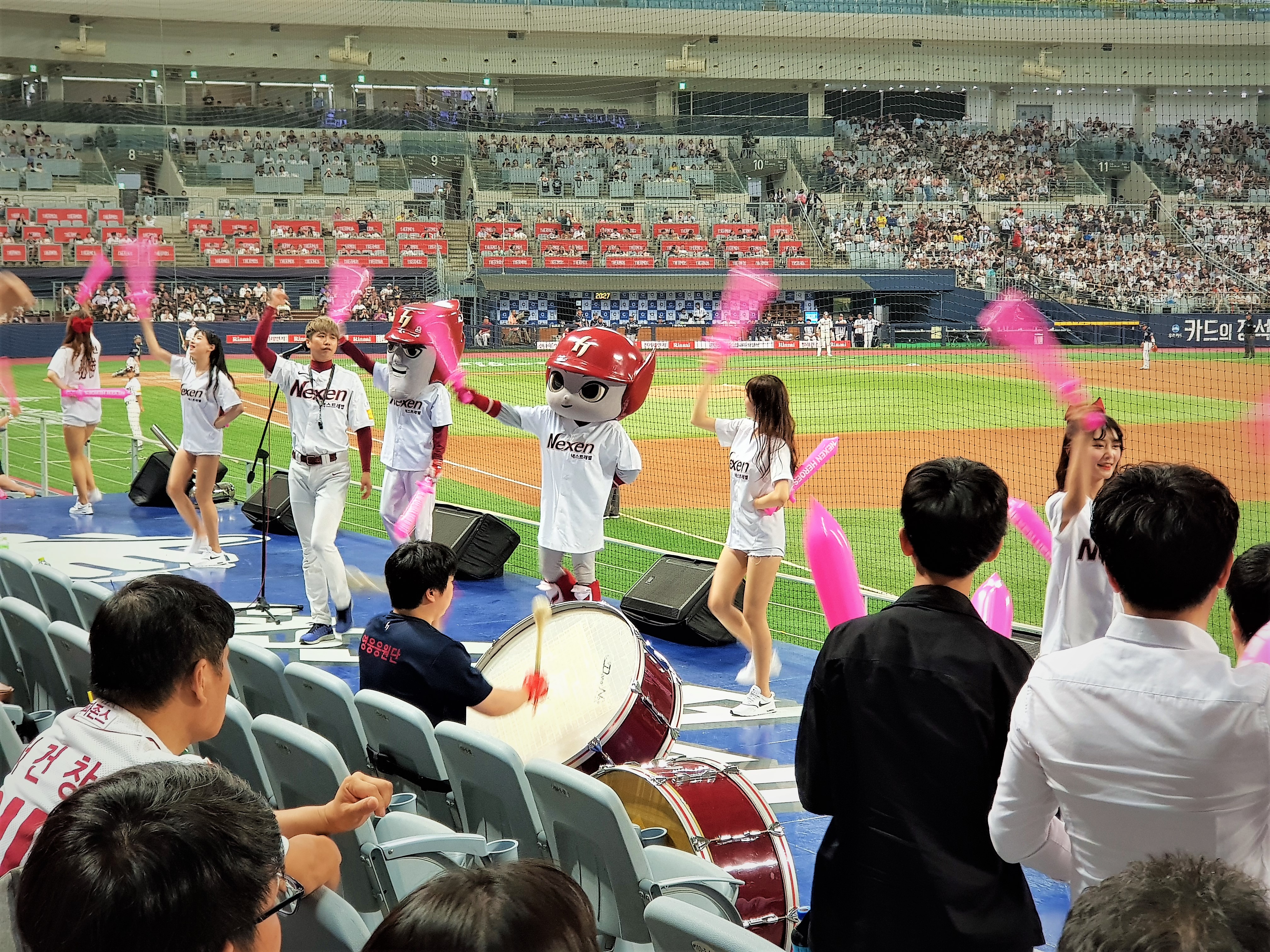
Seoul mayoral candidates Jung Won-oh and Oh Se-hoon held campaign events at Gocheok Dome on the final public holiday before the election [1].
These rallies represent a critical push for support in Seoul, one of the most contested battlegrounds in the election, as both candidates attempt to mobilize voters before the polls open [2].
Jung Won-oh (Democratic Party of Korea) centered his message on a "change of capability" for Seoul [1]. During his campaign, Jung focused on infrastructure improvements and sports facilities. He said, "If I become mayor, I will properly build Jamsil Baseball Stadium so that it can become a world-class baseball stadium and dome stadium" [2].
To emphasize his connection to sports and community, Jung appeared on a campaign vehicle accompanied by former players wearing uniforms from 10 professional baseball teams [1].
Oh Se-hoon (People Power Party) focused his messaging on leadership and the validity of campaign promises [1]. He used the slogan "No scarecrows," a reference to avoiding superficial promises or leaders who lack actual authority [1]. Oh's campaign efforts targeted issues such as real estate and the need for substantive governance rather than symbolic gestures [2].
Both candidates utilized the holiday crowd at the stadium to maximize visibility and appeal to a broad demographic of voters [1]. The contrast in their slogans—one calling for a change in competence and the other warning against ineffective leadership—highlights the polarized strategies used to capture the undecided electorate in the capital city [2].
“"If I become mayor, I will properly build Jamsil Baseball Stadium so that it can become a world-class baseball stadium and dome stadium."”
The decision to campaign at Gocheok Dome indicates a strategy to leverage popular sports culture to attract younger and diverse voters. By focusing on specific infrastructure projects like the Jamsil dome and contrasting 'capability' against 'superficiality,' the candidates are attempting to frame the election as a choice between tangible urban development and administrative authenticity.


