
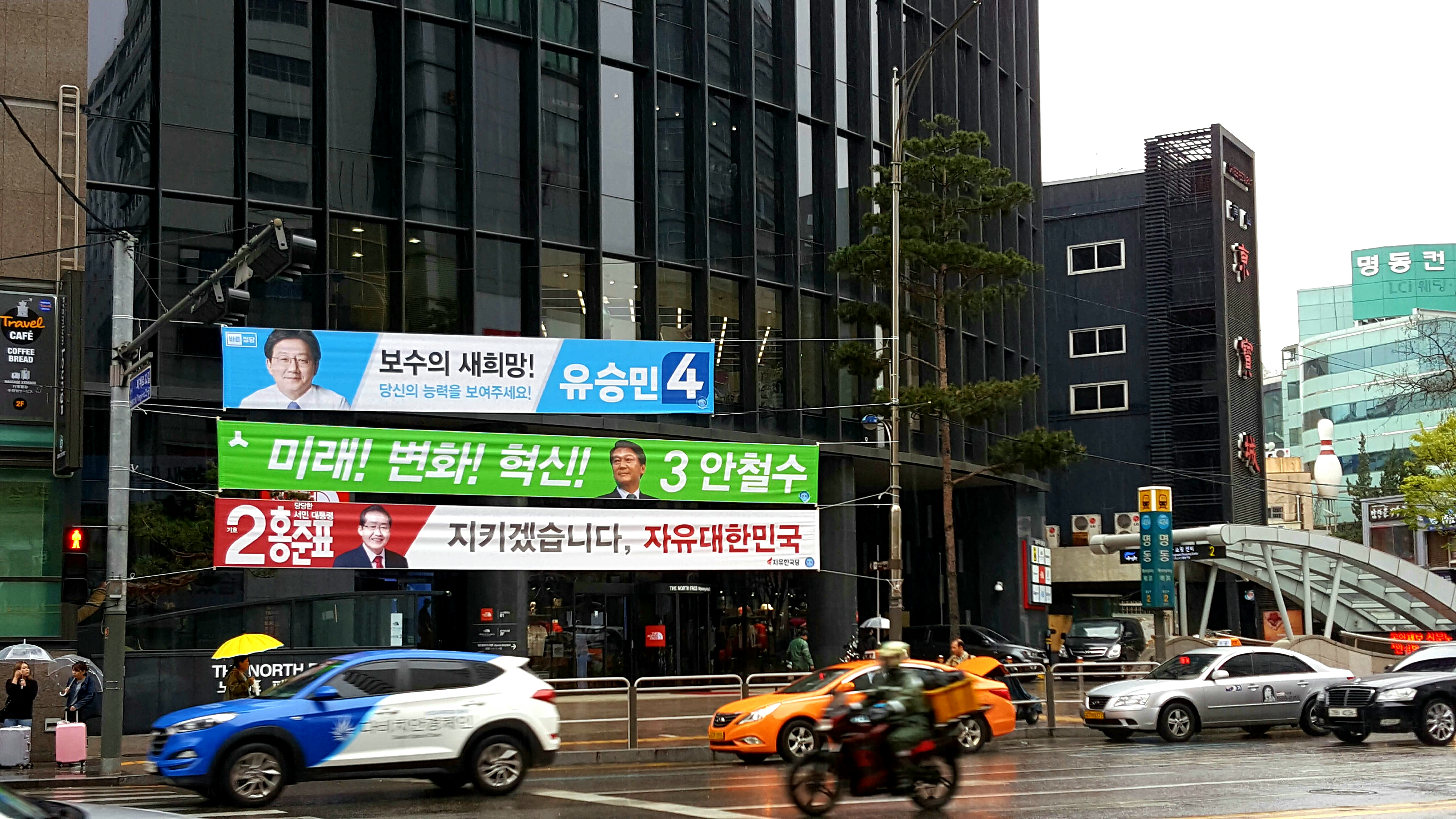
Mayoral candidates 정원오 of the Democratic Party and 오세훈 of the People Power Party faced off amid mutual accusations during early voting in Seoul [1].
The conflict highlights deep political divisions in South Korea's capital as both camps allege the other is attempting to illegally manipulate the democratic process. These accusations surface as voters cast ballots at polling stations across districts including 강북구, 성북구, 마포구, and 종로구 [1].
정원오 alleged that the 오세훈 campaign operated a "댓글팀," or an online comment team, to influence public discourse [1]. This accusation suggests a coordinated effort to sway voter opinion through artificial online engagement. 정원오 said, "새로운 리더십에 대한 시민들의 요구가 이번 선거를 통해서 드러날 것이다" [1].
In response, the People Power Party dismissed these claims as absurd [1]. The 오세훈 camp said the opposition orchestrated a "관권선거," or a power-struggle election [1]. This counter-accusation links the opposition's tactics to the Seosomun collapse incident, alleging that President 이재명 and the ruling party are using the tragedy to manipulate the race [1].
오세훈 framed the election as a critical turning point for the nation's governance [1]. He said, "대한민국의 민주주의가 미래로 가느냐 아니면 독재로 가느냐, 갈림길에 있습니다" [1].
The exchange of accusations reflects a high-stakes environment where digital influence and the handling of public disasters have become central campaign pillars. Both candidates continued to campaign across the city as early voting progressed [1].
“"새로운 리더십에 대한 시민들의 요구가 이번 선거를 통해서 드러날 것이다."”
The clash over 'comment teams' and 'power-struggle elections' indicates that the Seoul mayoral race is being fought on two fronts: the digital sphere and the management of civic crises. By linking the election to the Seosomun collapse, the People Power Party is attempting to frame the Democratic Party's leadership as a threat to democratic stability, while the Democratic Party is focusing on the perceived lack of transparency in the opponent's digital communications strategy.


