
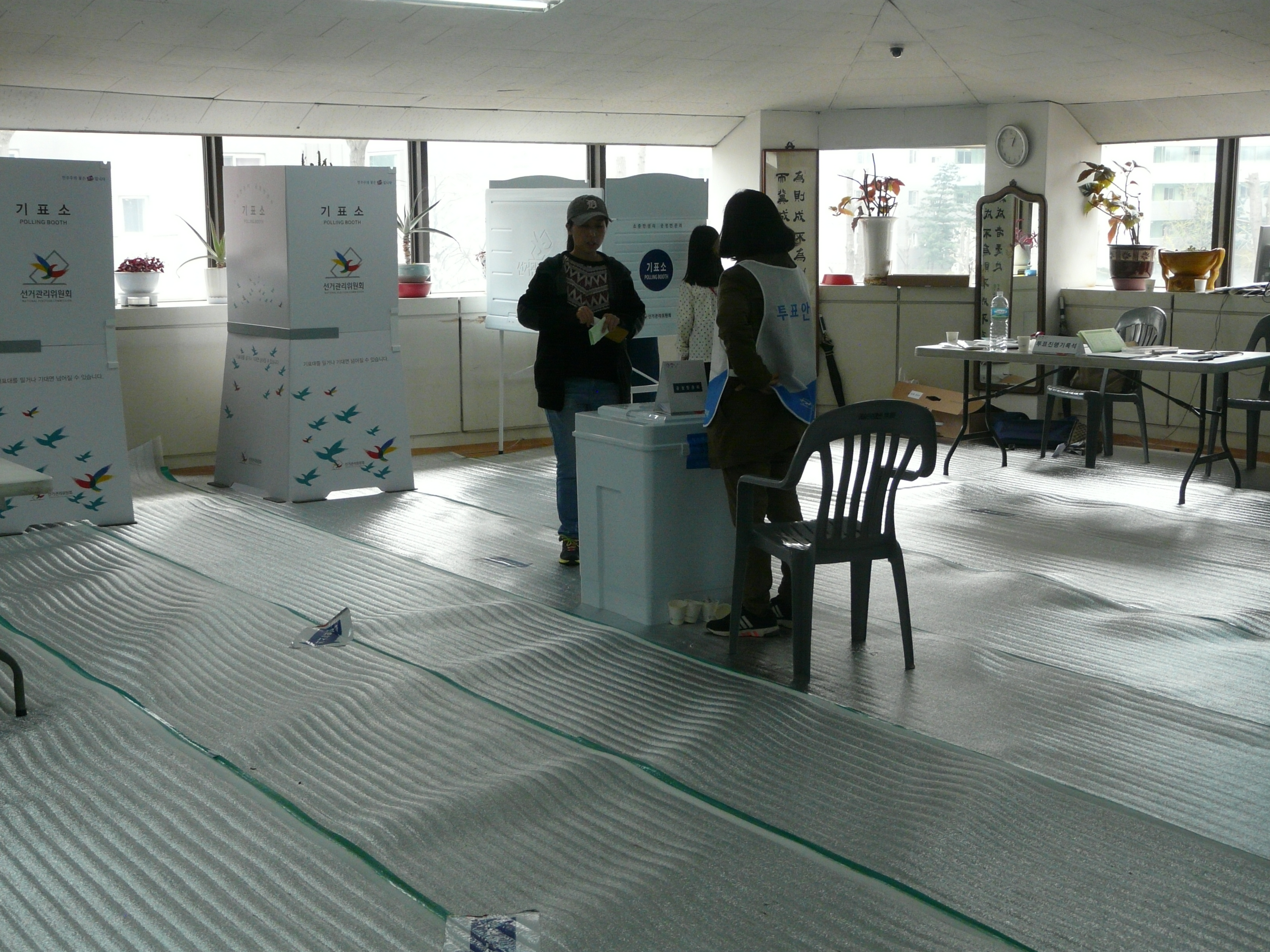
Voters at a Seoul polling station protested after officials ran out of ballot papers and began issuing waiting tickets after the 6 p.m. deadline [1].
The incident raises concerns about the administrative competence of the National Election Commission and whether the shortage disenfranchised citizens during a critical voting window.
The chaos occurred at the Jamsil-2-dong (6th) polling station in Songpa-gu on June 3, 2024 [1]. After the official 6 p.m. closing time, officials began handing out "waiting tickets" to voters who had arrived but could not cast their ballots due to a lack of papers [1]. This makeshift system began at 6:02 p.m. [1].
According to reports, the supply of ballot papers was severely limited. An initial delivery of only 50 sheets arrived during a pause in vote-counting [1]. This was later followed by an additional delivery of 100 sheets [1].
The shortage led to confrontations between citizens and election staff. Staff members said that only 50 people could proceed first, which prompted some residents to refuse to vote and protest [1].
One voter expressed frustration over the lack of organization, saying that even an elementary school president election would not have such issues [1].
“Even an elementary school president election would not have such issues”
The use of a 'waiting ticket' system at a government-run polling station suggests a failure in logistics and demand forecasting by the National Election Commission. In a democratic process, the inability to provide basic materials like ballot papers can lead to legal challenges regarding the legitimacy of the local results and erode public trust in electoral integrity.


