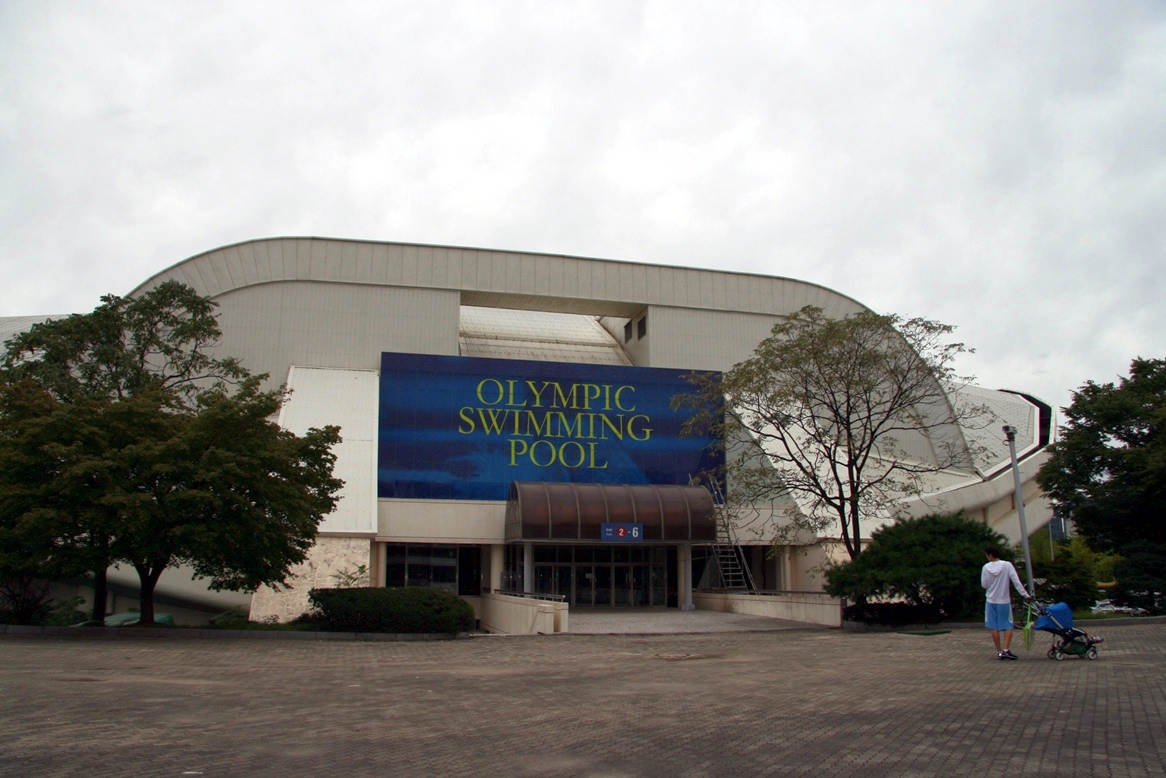
Seoul residents are gathering at the Ttukseom Hangang Outdoor Swimming Pool to find relief from the city's intense summer heat.
The facility serves as a primary cooling spot during a period of increasingly common heat waves and tropical nights. These public spaces are part of a broader effort by the Seoul Metropolitan Government to manage public health during extreme weather, while supporting the city's plans to revitalize the nighttime economy.
Located within Ttukseom Hangang Park, the pool is one of six highlighted outdoor swimming pools and water parks along the Hangang River [1]. These sites provide accessible recreation for urban dwellers who lack private access to cooling facilities. The Ttukseom location is particularly central to the city's efforts to integrate leisure and urban living during the peak of summer.
Beyond swimming, the city is expanding its nighttime infrastructure to keep residents active and engaged after dark. This includes the launch of night-ping camping sites at Ttukseom and Yeouido, which feature 200 units [2]. By combining outdoor athletics and overnight camping, the government aims to create a sustainable model for nighttime economic activity.
City officials have integrated these facilities into the 2026 summer guide to ensure residents can easily locate cooling centers [3]. The push for more outdoor water-based recreation reflects a growing need for climate-adaptive infrastructure in densely populated areas of South Korea. The Ttukseom pool remains a focal point for this strategy, offering a scalable solution to the challenges of urban heat islands.
“Ttukseom Hangang Outdoor Swimming Pool serves as a critical cooling center”
The emphasis on the Ttukseom facility and accompanying night-ping camping sites indicates a strategic shift by the Seoul Metropolitan Government. By linking public health needs, such as heat wave mitigation, with economic goals like the 'nighttime-economy revitalisation,' the city is attempting to transform seasonal climate challenges into opportunities for urban growth and tourism.


