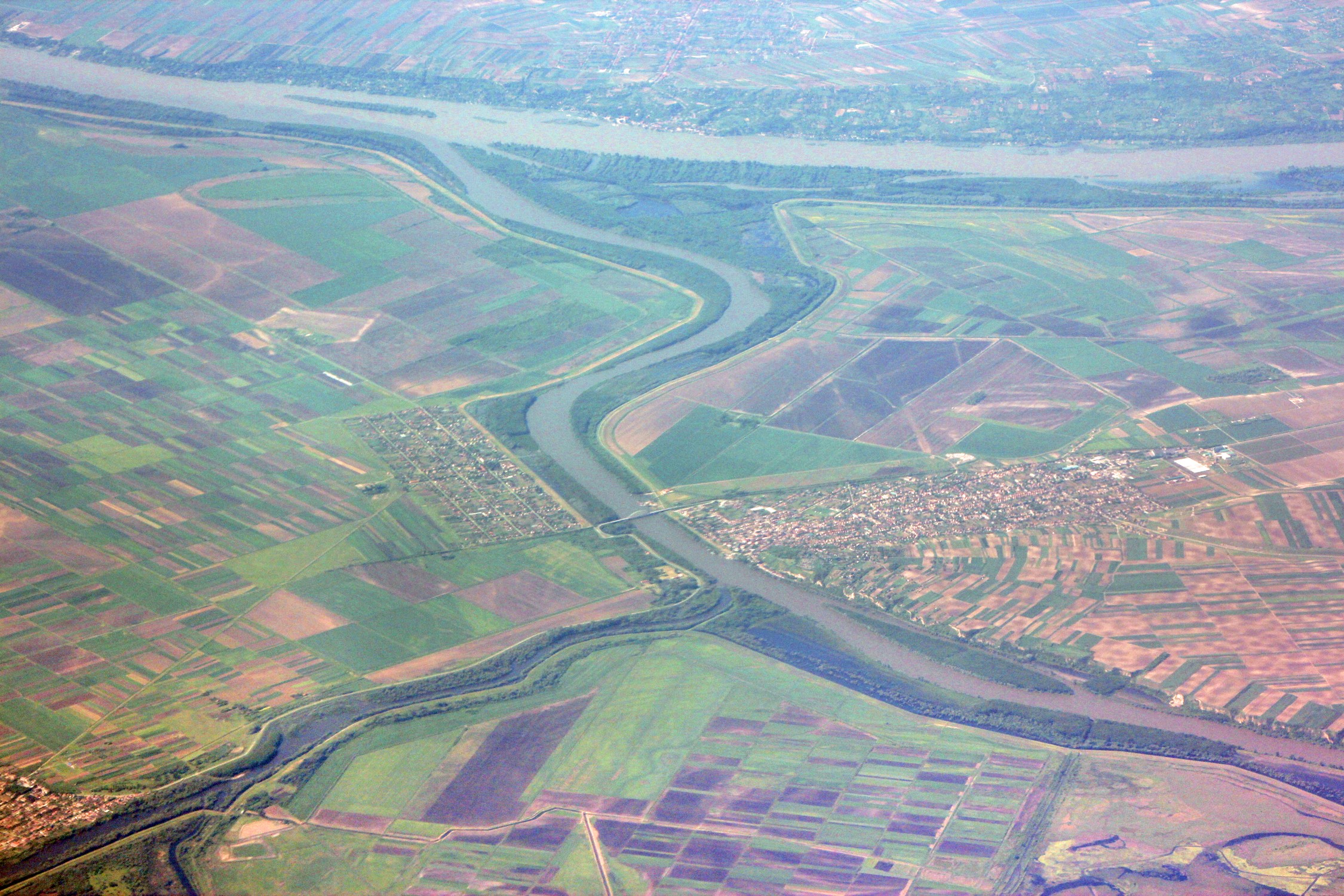
Rare European water buffalo at Serbia's largest buffalo farm are struggling to survive after a severe drought dried up their cooling ponds [1].
The loss of these water sources is critical because water buffalo rely on wallowing to regulate their body temperature during extreme heat. Without access to ponds, the animals face significant health risks as temperatures climb across the region.
The crisis is centered in Knicanin, where the country's largest buffalo farm is located [1]. A severe heatwave across the Balkans has triggered the drought, removing the essential water buffers the animals need to cope with the warmth [2].
Water buffalo are particularly susceptible to heat stress due to their lack of sweat glands. The drying of these ponds removes their primary method of cooling—submerging their bodies in water and mud—leaving the herd vulnerable to the intensifying Balkan summer [3].
Farm managers and local observers said the animals are struggling to cope with the extreme temperatures [1]. The situation highlights the vulnerability of rare livestock breeds to rapid environmental shifts and the increasing frequency of extreme weather events in Southeast Europe [2].
Efforts to mitigate the impact of the heatwave continue as the region faces persistent dry conditions. The disappearance of the ponds in Knicanin serves as a visible indicator of the drought's severity in the Serbian countryside [3].
“Rare European water buffalo at Serbia's largest buffalo farm are struggling to survive.”
This event underscores the intersection of biodiversity loss and climate instability. As rare breeds like the European water buffalo face environmental stressors that exceed their natural adaptation limits, the risk of population decline increases. The loss of cooling ponds in Serbia is not merely a farming challenge but a signal of how systemic drought in the Balkans may permanently alter the viability of traditional livestock rearing in the region.


