
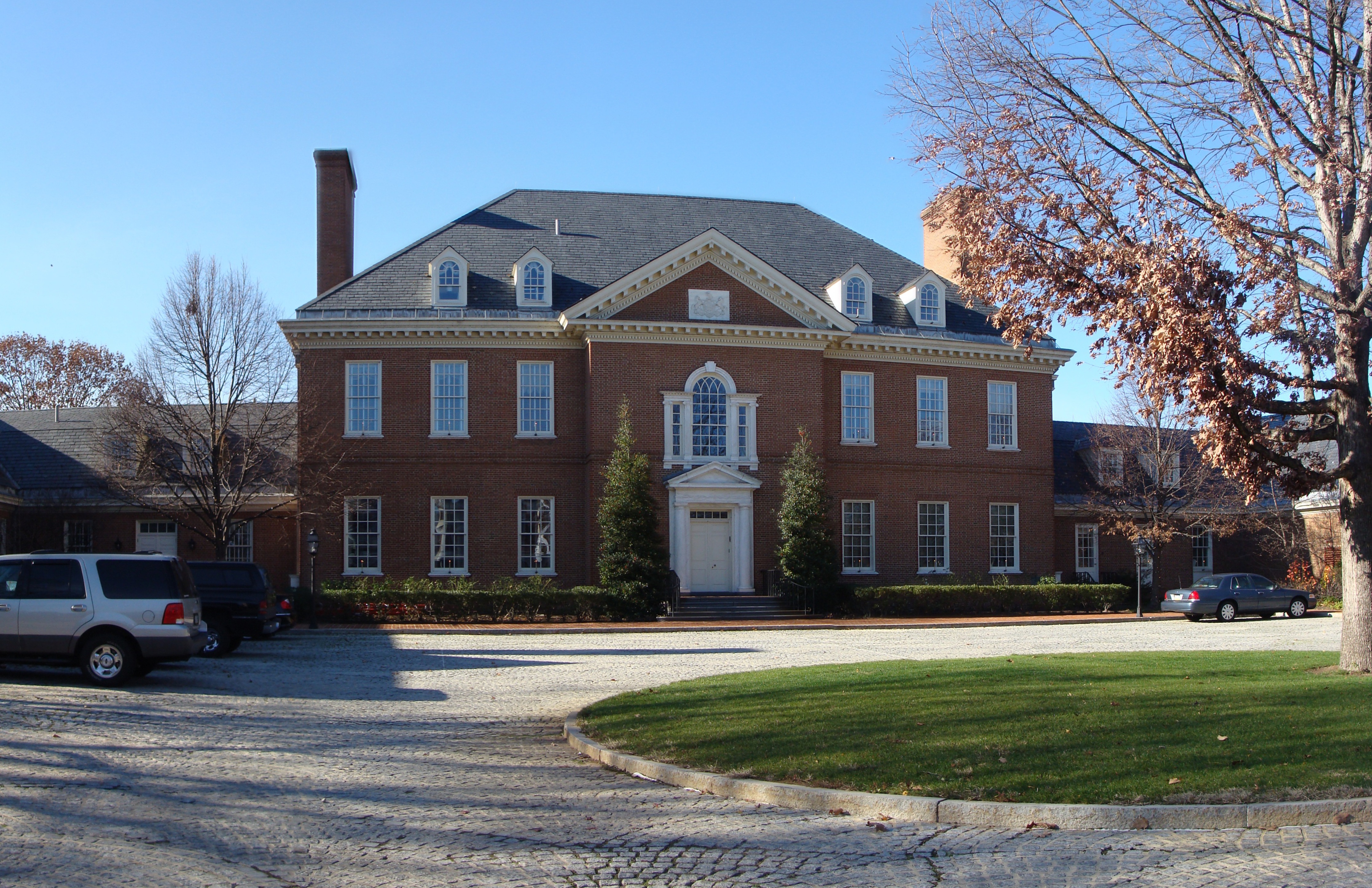
Pennsylvania Governor Josh Shapiro (D-PA) recently discussed the impact of a firebombing attack on his official residence in Harrisburg [1].
The incident highlights the escalating nature of political violence targeting U.S. officials and the personal toll such threats take on the families of public servants.
The attack occurred in 2024 [1]. Cody Balmers, the arson suspect, confessed to the firebombing [3]. According to reports, the attack was politically motivated and tied to Gov. Shapiro’s stance on Palestinian issues [4, 5].
In a video interview with POLITICO, Shapiro addressed the psychological weight of the event. He said, "It is hard for me as a dad to know that doing this job … could put my kids’ lives at risk. But I’m not gonna cower, and I’m not gonna stand down."
Shapiro emphasized that the threats would not alter his governance or public positions. He said, "We didn’t back down from the threats."
Financial and legal responses followed the attack. Approximately one year after the incident, $1 million was allocated for home security upgrades at the Governor's Residence [2]. This funding was later blocked by the Pennsylvania treasurer [2].
Separate from the firebombing, legal actions have been taken against other individuals targeting the administration. A man from New Mexico who threatened Shapiro and other government officials was sentenced to 21 months in prison [6].
The Governor's residence remains a focal point for security concerns as the administration navigates the intersection of public policy and personal safety.
“"We didn’t back down from the threats."”
This incident underscores a growing trend of targeted violence against political figures based on their foreign policy positions. The conflict over the $1 million security funding suggests a tension between the practical necessity of protecting high-ranking officials and the political scrutiny of using public funds for residential security.


