
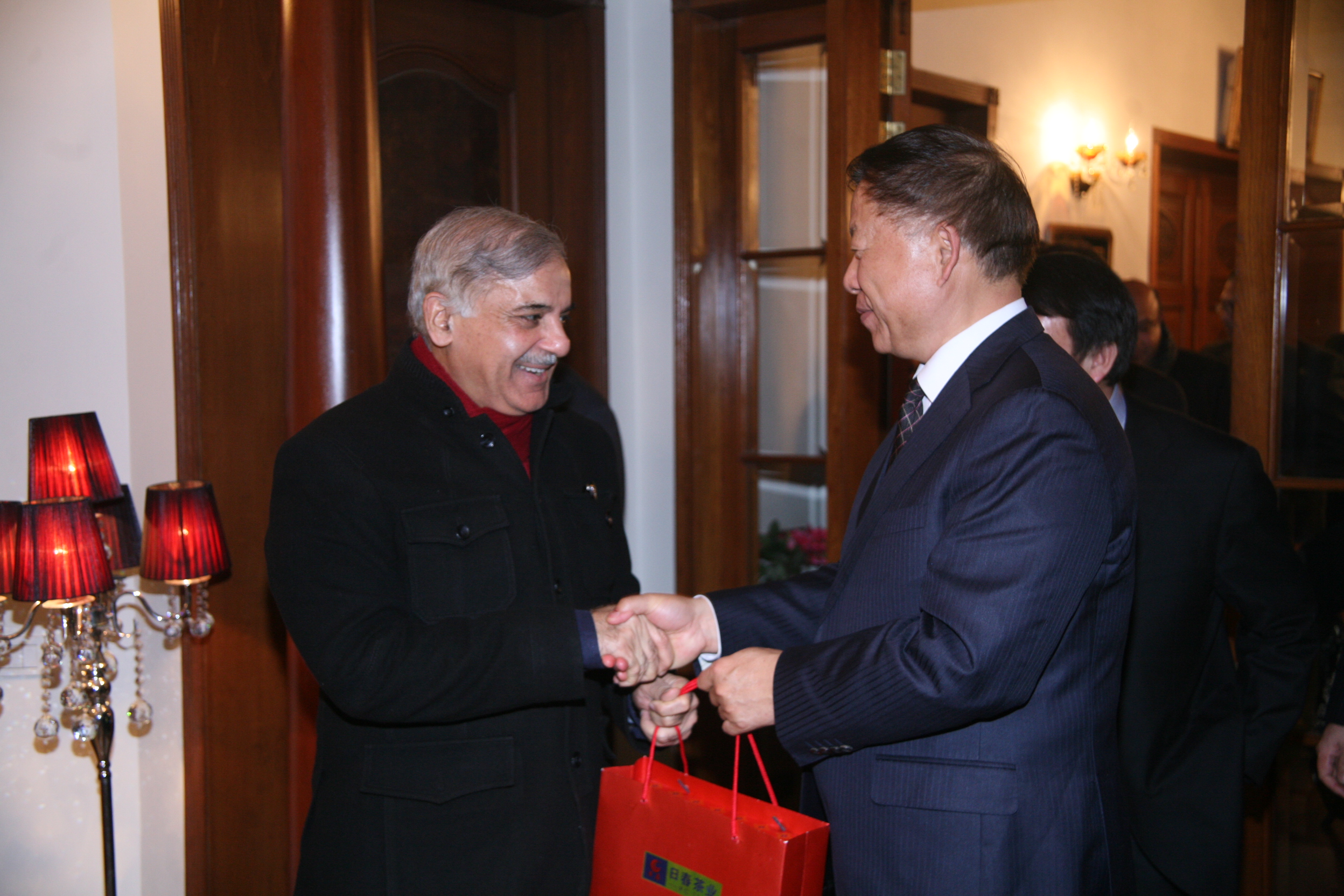
Prime Minister Shehbaz Sharif of Pakistan praised China's economic power as "second to none" during a state visit to Beijing [1].
The visit underscores the strategic depth of the Pakistan-China alliance at a time of heightened Middle East tensions and regional instability. It serves as a signal of continued economic reliance and diplomatic alignment between the two nations.
Sharif began the three-day visit on May 23, 2026 [2]. During the trip, he emphasized the strength of the bilateral relationship and the critical role of Chinese economic influence. Sharif said, "China is second to none in economic power" [1].
President Xi Jinping welcomed the prime minister and highlighted the durability of the connection between the two countries. Xi said, "Our ties are unbreakable, like iron brothers" [3]. The leaders focused on deepening strategic and economic cooperation to stabilize Pakistan's financial outlook, and expand joint ventures.
Beyond economic ties, the discussions touched upon regional diplomatic initiatives. This included Pakistan's potential role in mediating between Iran and the U.S. amid ongoing volatility in the Middle East [2]. The two leaders discussed how these diplomatic channels could be leveraged to maintain regional peace.
The visit concluded after three days of high-level meetings [2]. Both leaders reaffirmed that the strategic partnership remains a cornerstone of their respective foreign policies—a bond they described as a relationship second to none [1].
“"China is second to none in economic power."”
This visit reinforces Pakistan's strategic pivot toward China as its primary economic anchor. By positioning itself as a mediator between the U.S. and Iran, Pakistan is attempting to increase its geopolitical utility to both Western powers and its 'iron-brother' partner, China, while seeking critical financial stability from Beijing.


