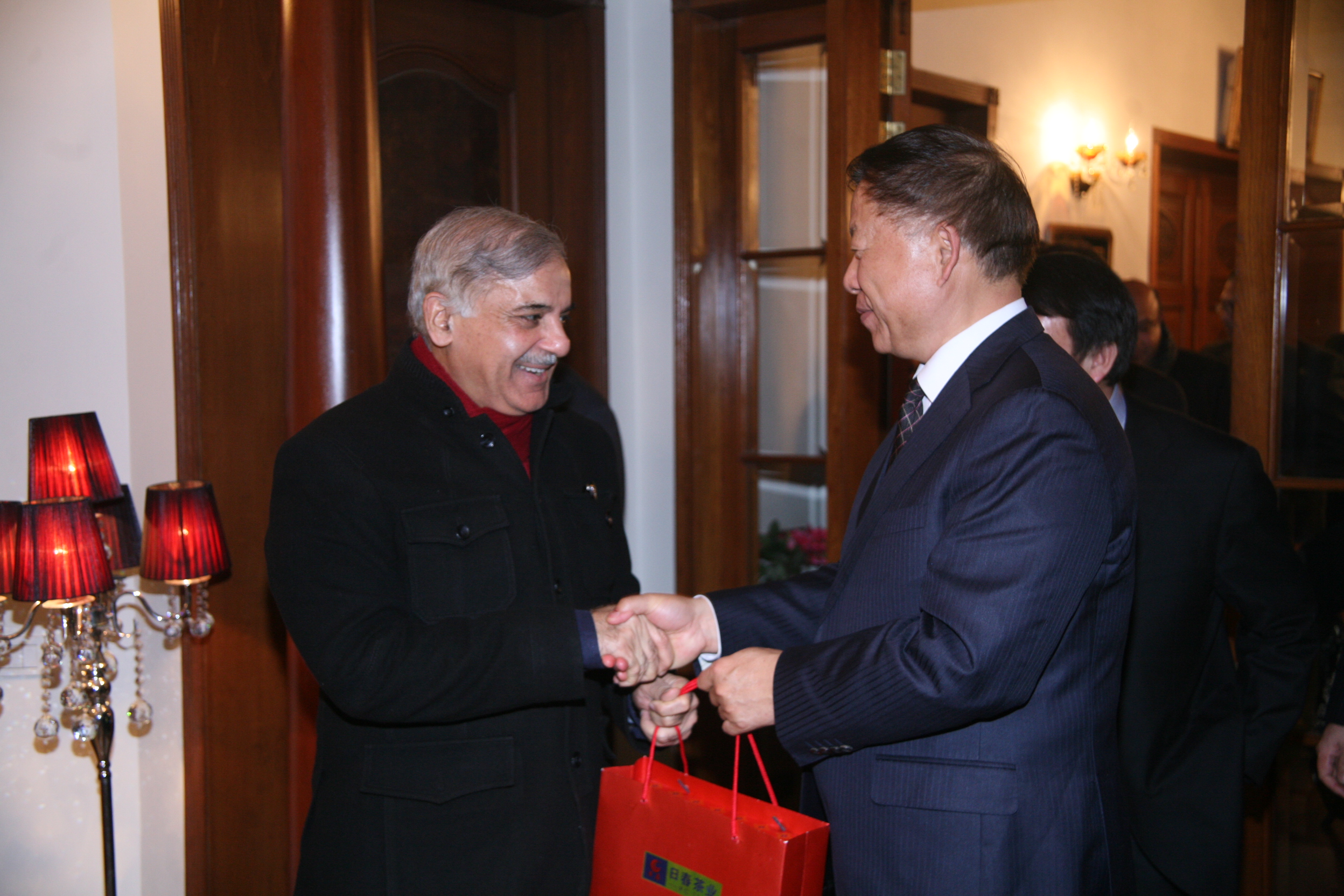
Prime Minister Shehbaz Sharif visited China to advance the next phase of the China-Pakistan Economic Corridor, known as CPEC 2.0 [1].
The visit marks a strategic effort to shift the bilateral partnership toward sustainable economic growth. By focusing on industrial and agricultural cooperation, Pakistan aims to stabilize its economy through targeted infrastructure and technology transfers [1, 2].
During the engagement, Sharif said the partnership between the two nations is historical. He highlighted the consistent support Pakistan has received from Beijing during periods of national crisis [1].
"Earthquakes, floods, peace and difficult times — China has always supported Pakistan in an unwavering fashion," Sharif said [1].
The CPEC 2.0 framework prioritizes agriculture and industrial cooperation over the primary infrastructure projects that defined the first phase of the corridor [1, 2]. The prime minister said the goal is to deepen trade, technology, and strategic cooperation to ensure long-term stability [2].
Following a ceremony in Islamabad, the diplomatic push transitioned to China to finalize the priority projects [1]. The administration is seeking to leverage Chinese economic support to modernize the domestic industrial base and improve agricultural yields [2].
Sharif said his government is committed to the corridor, noting that the partnership remains a cornerstone of Pakistan's foreign policy and economic strategy [2]. The focus on CPEC 2.0 is intended to create a more diversified economic relationship that moves beyond energy and transport projects into high-tech sectors [1, 2].
“"China has always supported Pakistan in an unwavering fashion."”
The transition to CPEC 2.0 represents a pivot from large-scale 'brick and mortar' infrastructure, such as roads and power plants, toward productivity-enhancing sectors. By targeting agriculture and industry, Pakistan is attempting to address structural economic weaknesses and reduce reliance on imports, while China seeks to solidify its strategic foothold in South Asia through deeper technological integration.


'%2F%3E%0A%20%20%20%20%3Crect%20width%3D'1600'%20height%3D'900'%20fill%3D'url(%23v)'%2F%3E%0A%20%20%20%20%3Cg%20opacity%3D'0.08'%20fill%3D'%23ffffff'%3E%0A%20%20%20%20%20%20%3Ccircle%20cx%3D'1420'%20cy%3D'180'%20r%3D'220'%2F%3E%0A%20%20%20%20%20%20%3Ccircle%20cx%3D'1500'%20cy%3D'760'%20r%3D'120'%2F%3E%0A%20%20%20%20%3C%2Fg%3E%0A%20%20%20%20%3Cline%20x1%3D'80'%20y1%3D'172'%20x2%3D'220'%20y2%3D'172'%20stroke%3D'%23ffffff'%20stroke-width%3D'3'%20stroke-opacity%3D'0.6'%2F%3E%0A%20%20%20%20%3Ctext%20x%3D'80'%20y%3D'140'%20font-family%3D'Inter%2C%20-apple-system%2C%20Helvetica%2C%20sans-serif'%20font-weight%3D'700'%20font-size%3D'28'%20fill%3D'%23ffffff'%20letter-spacing%3D'6'%3EHANNA%20%C2%B7%20NEWS%3C%2Ftext%3E%0A%20%20%20%20%3Ctext%20x%3D'80'%20y%3D'230'%20font-family%3D'Inter%2C%20-apple-system%2C%20Helvetica%2C%20sans-serif'%20font-weight%3D'600'%20font-size%3D'40'%20fill%3D'%23ffffffb3'%20letter-spacing%3D'4'%3EWORLD%3C%2Ftext%3E%0A%20%20%20%20%3Ctext%20x%3D'80'%20y%3D'622'%20font-family%3D'Playfair%20Display%2C%20Georgia%2C%20serif'%20font-weight%3D'800'%20font-size%3D'86'%20fill%3D'%23ffffff'%20letter-spacing%3D'-1'%3EBonnie%20Tyler%2C%20%26apos%3BTotal%3C%2Ftext%3E%3Ctext%20x%3D'80'%20y%3D'721'%20font-family%3D'Playfair%20Display%2C%20Georgia%2C%20serif'%20font-weight%3D'800'%20font-size%3D'86'%20fill%3D'%23ffffff'%20letter-spacing%3D'-1'%3EEclipse%20of%20the%20Heart%26apos%3B%3C%2Ftext%3E%3Ctext%20x%3D'80'%20y%3D'820'%20font-family%3D'Playfair%20Display%2C%20Georgia%2C%20serif'%20font-weight%3D'800'%20font-size%3D'86'%20fill%3D'%23ffffff'%20letter-spacing%3D'-1'%3Esinger%2C%20dies%20at%2075%3C%2Ftext%3E%0A%20%20%20%20%3Ctext%20x%3D'80'%20y%3D'870'%20font-family%3D'Inter%2C%20-apple-system%2C%20Helvetica%2C%20sans-serif'%20font-weight%3D'500'%20font-size%3D'22'%20fill%3D'%23ffffff66'%20letter-spacing%3D'2'%3Enews.hanna-ai.com%3C%2Ftext%3E%0A%20%20%3C%2Fsvg%3E)