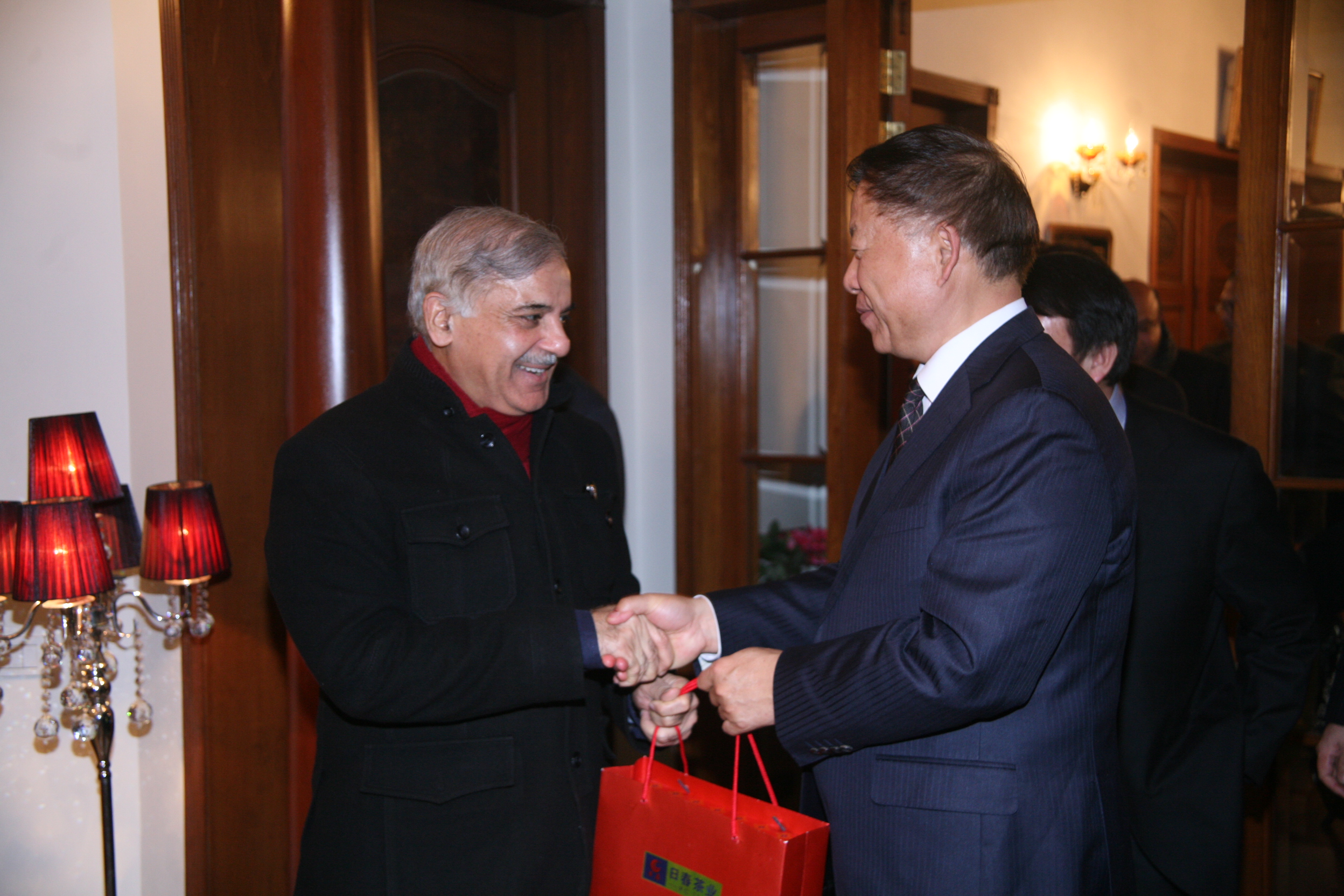
Prime Minister Shehbaz Sharif is visiting China to strengthen economic cooperation and partner in regional development initiatives.
This diplomatic mission signals a strategic shift toward diversifying Pakistan's financial tools and deepening its security ties with Beijing. By integrating more closely with Chinese development goals, Islamabad seeks to stabilize its economy through new investment vehicles and coordinated regional security.
Sharif's visit is scheduled from May 23 to May 25, 2024 [1]. A primary objective of the trip is the preparation for Pakistan's first "Panda bond," a yuan-denominated bond issued by a foreign entity in China. This financial instrument is intended to provide Pakistan with a new stream of funding to manage its economic challenges.
Beyond finance, the visit focuses on the broader geopolitical landscape of Asia. Sharif said, "Pakistan will soon be China's partner in the journey of regional development" [2]. This partnership aims to align the two nations on infrastructure and stability projects across the region.
Security coordination remains a central pillar of the bilateral talks. Sharif said, "We are committed to regional peace and development together with China" [3]. The discussions in Beijing are expected to cover mutual interests in maintaining stability and fostering growth in neighboring territories.
Diplomatic efforts are also being directed toward long-term stability. Sharif said, "Our diplomatic engagement aims to foster stability and development in the region" [4]. These engagements are part of a larger strategy to ensure that economic growth is supported by a secure regional environment.
“"Pakistan will soon be China's partner in the journey of regional development"”
The introduction of the Panda bond represents a significant evolution in the China-Pakistan Economic Corridor (CPEC) framework. By moving toward yuan-denominated debt, Pakistan reduces its reliance on Western capital markets and tightens its financial integration with China. This move, coupled with the emphasis on regional security, suggests that Beijing is increasingly viewing Islamabad not just as a project site, but as a strategic partner for projecting stability across South Asia.


'%2F%3E%0A%20%20%20%20%3Crect%20width%3D'1600'%20height%3D'900'%20fill%3D'url(%23v)'%2F%3E%0A%20%20%20%20%3Cg%20opacity%3D'0.08'%20fill%3D'%23ffffff'%3E%0A%20%20%20%20%20%20%3Ccircle%20cx%3D'1420'%20cy%3D'180'%20r%3D'220'%2F%3E%0A%20%20%20%20%20%20%3Ccircle%20cx%3D'1500'%20cy%3D'760'%20r%3D'120'%2F%3E%0A%20%20%20%20%3C%2Fg%3E%0A%20%20%20%20%3Cline%20x1%3D'80'%20y1%3D'172'%20x2%3D'220'%20y2%3D'172'%20stroke%3D'%23ffffff'%20stroke-width%3D'3'%20stroke-opacity%3D'0.6'%2F%3E%0A%20%20%20%20%3Ctext%20x%3D'80'%20y%3D'140'%20font-family%3D'Inter%2C%20-apple-system%2C%20Helvetica%2C%20sans-serif'%20font-weight%3D'700'%20font-size%3D'28'%20fill%3D'%23ffffff'%20letter-spacing%3D'6'%3EHANNA%20%C2%B7%20NEWS%3C%2Ftext%3E%0A%20%20%20%20%3Ctext%20x%3D'80'%20y%3D'230'%20font-family%3D'Inter%2C%20-apple-system%2C%20Helvetica%2C%20sans-serif'%20font-weight%3D'600'%20font-size%3D'40'%20fill%3D'%23ffffffb3'%20letter-spacing%3D'4'%3EWORLD%3C%2Ftext%3E%0A%20%20%20%20%3Ctext%20x%3D'80'%20y%3D'622'%20font-family%3D'Playfair%20Display%2C%20Georgia%2C%20serif'%20font-weight%3D'800'%20font-size%3D'86'%20fill%3D'%23ffffff'%20letter-spacing%3D'-1'%3EBonnie%20Tyler%2C%20%26apos%3BTotal%3C%2Ftext%3E%3Ctext%20x%3D'80'%20y%3D'721'%20font-family%3D'Playfair%20Display%2C%20Georgia%2C%20serif'%20font-weight%3D'800'%20font-size%3D'86'%20fill%3D'%23ffffff'%20letter-spacing%3D'-1'%3EEclipse%20of%20the%20Heart%26apos%3B%3C%2Ftext%3E%3Ctext%20x%3D'80'%20y%3D'820'%20font-family%3D'Playfair%20Display%2C%20Georgia%2C%20serif'%20font-weight%3D'800'%20font-size%3D'86'%20fill%3D'%23ffffff'%20letter-spacing%3D'-1'%3Esinger%2C%20dies%20at%2075%3C%2Ftext%3E%0A%20%20%20%20%3Ctext%20x%3D'80'%20y%3D'870'%20font-family%3D'Inter%2C%20-apple-system%2C%20Helvetica%2C%20sans-serif'%20font-weight%3D'500'%20font-size%3D'22'%20fill%3D'%23ffffff66'%20letter-spacing%3D'2'%3Enews.hanna-ai.com%3C%2Ftext%3E%0A%20%20%3C%2Fsvg%3E)