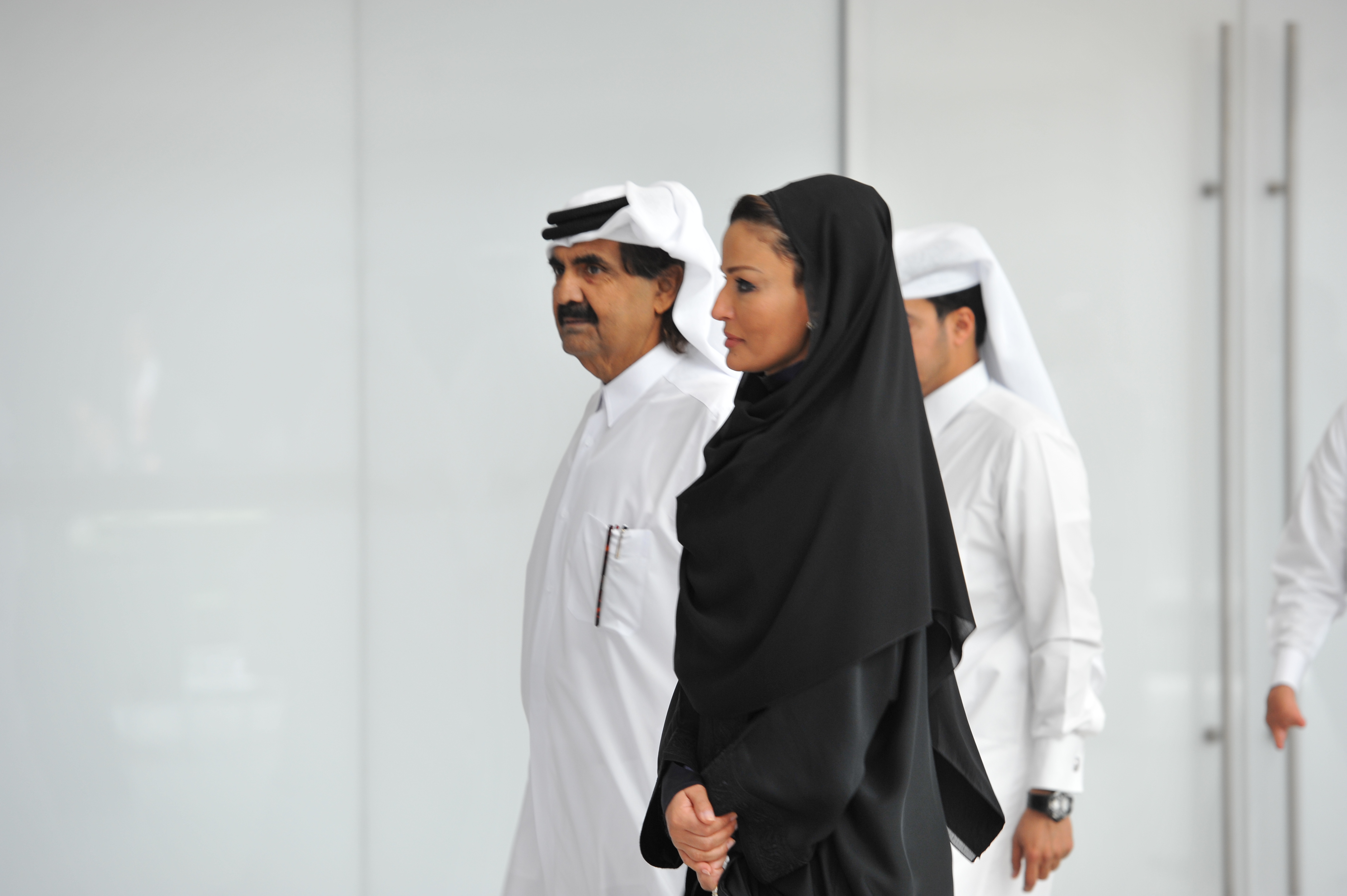
Sheikh Hamad bin Khalifa Al Thani, the former Emir of Qatar, is credited as the architect of the nation's modern economic infrastructure [1].
His strategic leadership transformed Qatar from a regional player into a global economic powerhouse. By leveraging natural resources to build a sustainable financial future, he ensured the state's stability beyond the immediate volatility of energy markets.
During his reign from 1995 to 2013, the former emir focused on rapid development, particularly in the first few years of his rule [1, 2]. A central pillar of this transformation was the creation of the Qatar Investment Authority (QIA) [1, 2]. The sovereign-wealth fund was designed to manage the country's vast wealth by investing billions of dollars abroad [1].
These investments spanned a wide array of global sectors to ensure economic diversification [2]. The QIA acquired significant stakes in the automotive industry through Volkswagen, the retail sector via Harrods, and the sporting world through Paris Saint-Germain [2]. This global portfolio allowed Qatar to hedge its assets and project influence on an international scale.
Parallel to these overseas ventures, the former emir directed the expansion of the domestic energy sector [1]. Under his guidance, Qatar became one of the largest producers of liquefied natural gas (LNG) [1]. The revenue from these exports provided the necessary capital to fund the QIA, and the massive infrastructure projects that define the current Doha skyline [1, 2].
By integrating aggressive international investment with domestic industrial growth, the former emir established a blueprint for the country's current wealth [2]. The strategic shift toward a diversified economy allowed Qatar to transition into a high-growth state with a robust financial cushion [1].
“Sheikh Hamad bin Khalifa Al Thani is credited as the architect of the nation's modern economic infrastructure.”
The legacy of Sheikh Hamad bin Khalifa Al Thani represents a shift in how resource-rich nations manage windfalls. By establishing the QIA, Qatar moved beyond simple extraction to a model of global asset ownership, ensuring that the wealth generated from LNG is converted into diversified equity that can sustain the nation across multiple generations.
'%2F%3E%0A%20%20%20%20%3Crect%20width%3D'1600'%20height%3D'900'%20fill%3D'url(%23v)'%2F%3E%0A%20%20%20%20%3Cg%20opacity%3D'0.08'%20fill%3D'%23ffffff'%3E%0A%20%20%20%20%20%20%3Ccircle%20cx%3D'1420'%20cy%3D'180'%20r%3D'220'%2F%3E%0A%20%20%20%20%20%20%3Ccircle%20cx%3D'1500'%20cy%3D'760'%20r%3D'120'%2F%3E%0A%20%20%20%20%3C%2Fg%3E%0A%20%20%20%20%3Cline%20x1%3D'80'%20y1%3D'172'%20x2%3D'220'%20y2%3D'172'%20stroke%3D'%23ffffff'%20stroke-width%3D'3'%20stroke-opacity%3D'0.6'%2F%3E%0A%20%20%20%20%3Ctext%20x%3D'80'%20y%3D'140'%20font-family%3D'Inter%2C%20-apple-system%2C%20Helvetica%2C%20sans-serif'%20font-weight%3D'700'%20font-size%3D'28'%20fill%3D'%23ffffff'%20letter-spacing%3D'6'%3EHANNA%20%C2%B7%20NEWS%3C%2Ftext%3E%0A%20%20%20%20%3Ctext%20x%3D'80'%20y%3D'230'%20font-family%3D'Inter%2C%20-apple-system%2C%20Helvetica%2C%20sans-serif'%20font-weight%3D'600'%20font-size%3D'40'%20fill%3D'%23ffffffb3'%20letter-spacing%3D'4'%3EWORLD%3C%2Ftext%3E%0A%20%20%20%20%3Ctext%20x%3D'80'%20y%3D'622'%20font-family%3D'Playfair%20Display%2C%20Georgia%2C%20serif'%20font-weight%3D'800'%20font-size%3D'86'%20fill%3D'%23ffffff'%20letter-spacing%3D'-1'%3EAlt-Pop%20Rock%20Band%20Renegade%3C%2Ftext%3E%3Ctext%20x%3D'80'%20y%3D'721'%20font-family%3D'Playfair%20Display%2C%20Georgia%2C%20serif'%20font-weight%3D'800'%20font-size%3D'86'%20fill%3D'%23ffffff'%20letter-spacing%3D'-1'%3EZoo%20Promotes%20Inclusivity%20in%3C%2Ftext%3E%3Ctext%20x%3D'80'%20y%3D'820'%20font-family%3D'Playfair%20Display%2C%20Georgia%2C%20serif'%20font-weight%3D'800'%20font-size%3D'86'%20fill%3D'%23ffffff'%20letter-spacing%3D'-1'%3ENorthern%20Ireland%3C%2Ftext%3E%0A%20%20%20%20%3Ctext%20x%3D'80'%20y%3D'870'%20font-family%3D'Inter%2C%20-apple-system%2C%20Helvetica%2C%20sans-serif'%20font-weight%3D'500'%20font-size%3D'22'%20fill%3D'%23ffffff66'%20letter-spacing%3D'2'%3Enews.hanna-ai.com%3C%2Ftext%3E%0A%20%20%3C%2Fsvg%3E)

