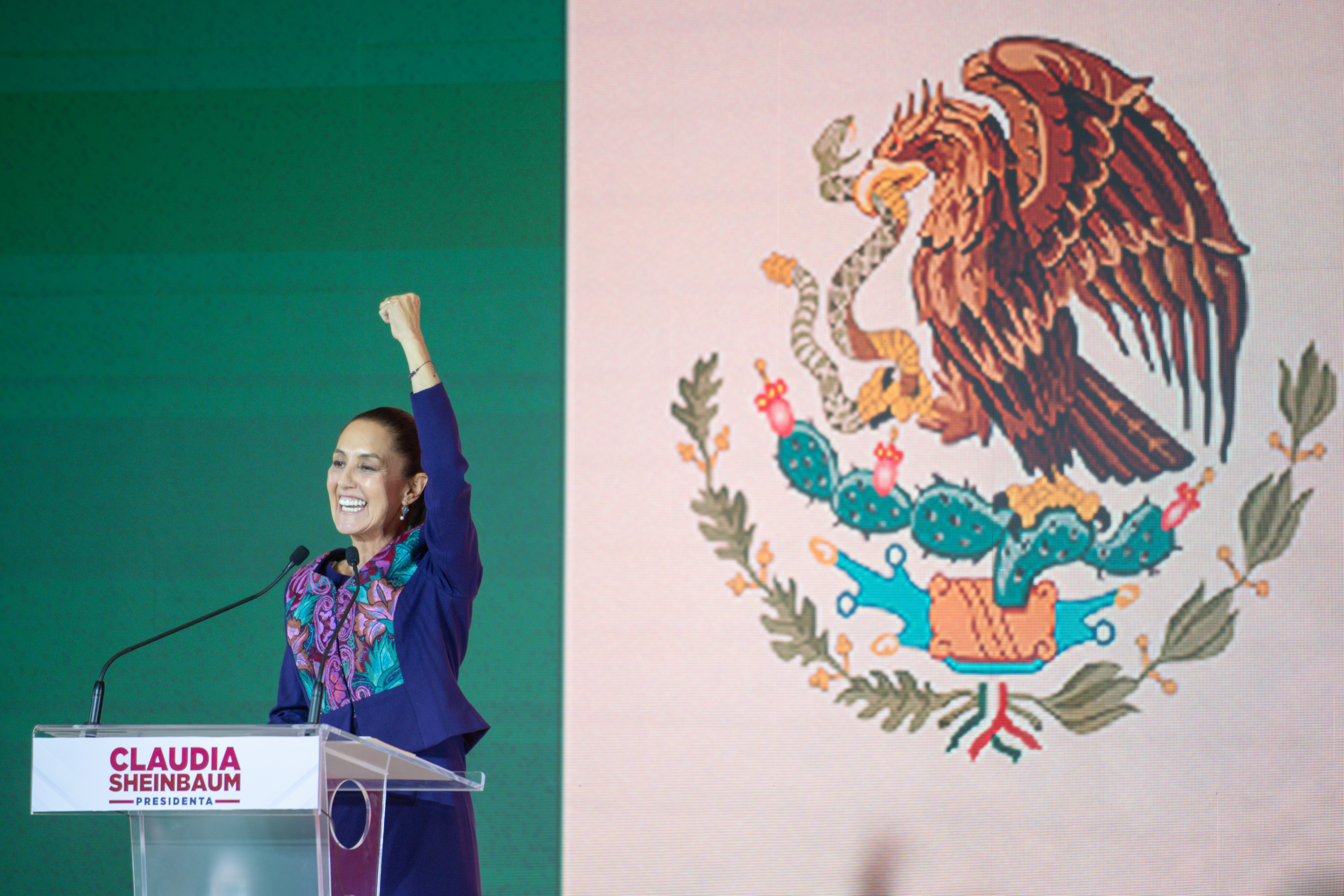
President Claudia Sheinbaum Pardo said she has a lifelong passion for sports and currently practices chi kung during a televised conversation.
The disclosure connects the president's personal history with her administration's focus on public-space health and wellbeing. By highlighting her athletic background, Sheinbaum aims to illustrate the importance of accessible urban areas for physical activity.
During the discussion on public spaces and urban security in Mexico City, Sheinbaum said she was involved in ballet, rowing, and athletics [1, 2]. She specifically referenced her time training at Cuemanco and her studies at the National Autonomous University of Mexico (UNAM) [1, 2].
Sheinbaum described a rigorous schedule from her university years, saying she began rowing training at Cuemanco at five a.m. to ensure she could attend her classes by seven a.m. [1]. This discipline in her early life serves as a foundation for her current perspectives on health and city planning.
In addition to her past athletic pursuits, the president said she now practices chi kung [2]. Chi kung is a Chinese health discipline that emphasizes balance and wellness [2].
Sheinbaum linked these personal passions to her broader agenda as president, saying the availability of safe, public spaces promotes health for all citizens [2]. The conversation underscored the role of urban infrastructure in facilitating the types of activities she pursued during her youth.
“President Claudia Sheinbaum Pardo said she has a lifelong passion for sports and currently practices chi kung.”
By publicly connecting her personal athletic history to her policy goals, President Sheinbaum is framing public health and urban security not just as administrative targets, but as quality-of-life issues. The emphasis on 'public-space health' suggests a governance approach that views urban infrastructure—such as parks and sports facilities—as essential tools for national wellbeing.


