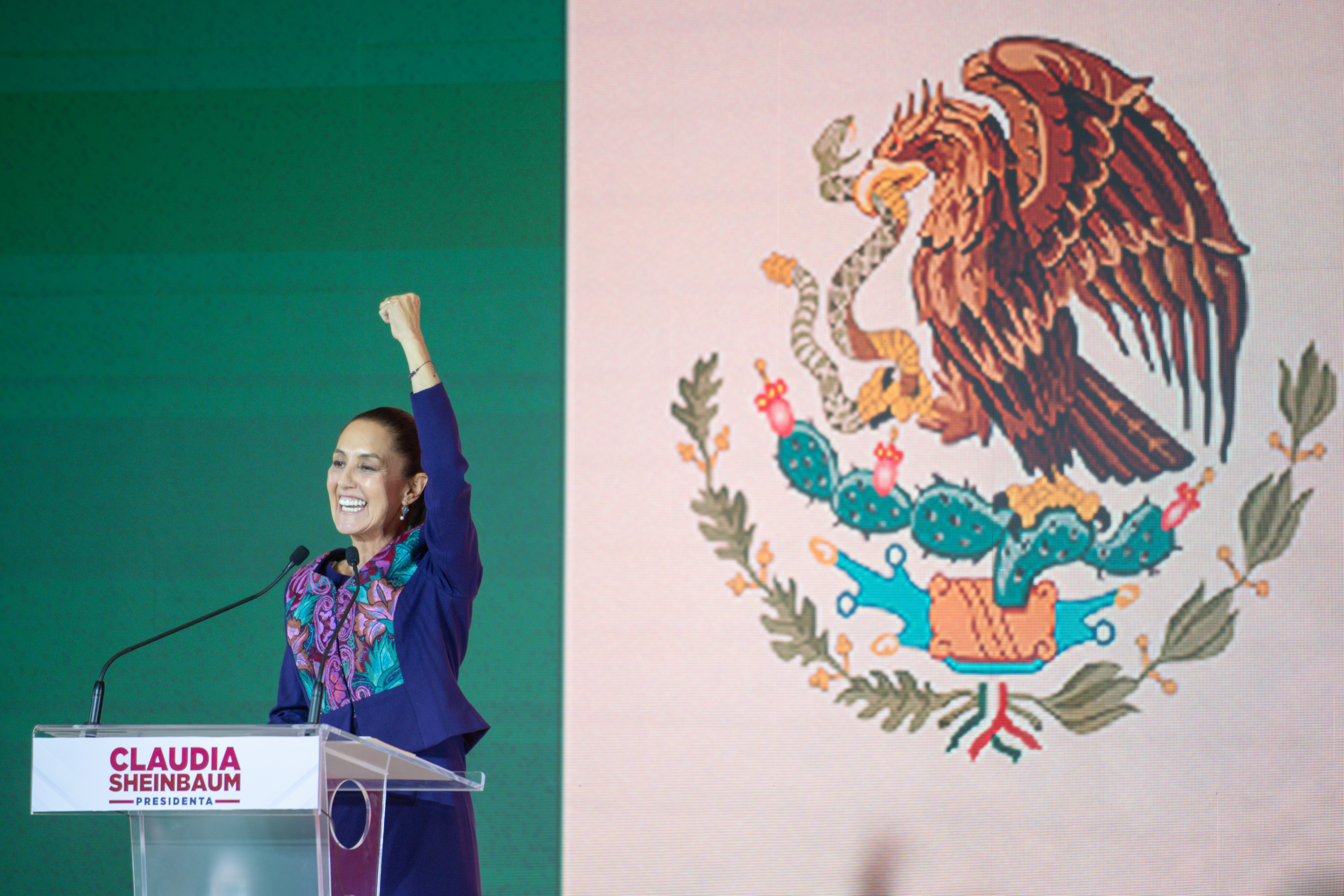
President Claudia Sheinbaum Pardo announced that millions of Mexican families are trapped in unaffordable mortgage credits accumulated over 36 years [1].
The initiative aims to correct a legacy of hidden debt created under previous neoliberal governments, which the president said left borrowers with loans that are impossible to pay back [1].
Speaking at a presentation in Cancún, Sheinbaum said approximately five million beneficiaries are affected by these "impagable" credits [1]. She highlighted a stark disparity in loan growth, noting that families who originally requested loans of about 105,000 pesos now owe roughly two million pesos [1].
To address this crisis, the administration launched the "Volver a Crecer" housing initiative to restructure the credit portfolio [2]. While the broader number of affected beneficiaries is high, the government is currently targeting the restructuring of 69,658 credits [2].
This effort coincides with the "Vivienda para el Bienestar" program, which focuses on expanding housing access. Sheinbaum said the program currently has 274,000 houses under construction [7]. According to government data, the Vivienda para el Bienestar initiative contributes 1% of the gross domestic product [6].
The president said these measures are necessary to dismantle the financial burdens placed on working-class families by previous policy frameworks. By restructuring these debts, the administration intends to provide long-term stability to millions of homeowners who were previously unable to clear their balances [1].
“Families who originally requested loans of about 105,000 pesos now owe roughly 2 million pesos.”
This policy represents a significant shift in Mexico's approach to social housing and debt management. By framing the mortgage crisis as a result of 'neoliberal' policies, the Sheinbaum administration is linking financial relief directly to its political ideology. The gap between the 5 million affected borrowers and the 69,658 credits currently slated for restructuring suggests the government may be implementing the relief in phases or focusing first on specific high-risk portfolios.