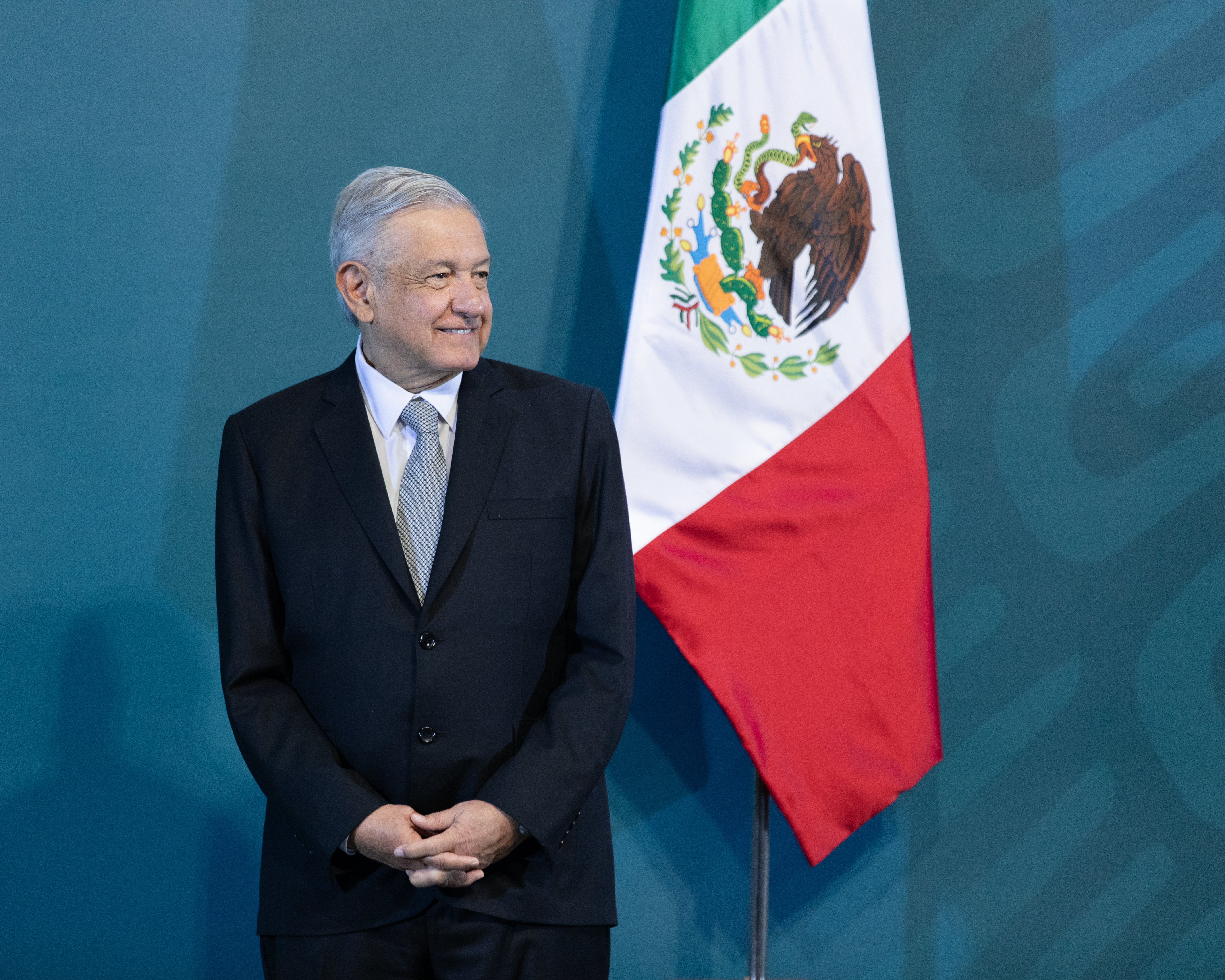
President Claudia Sheinbaum said new electoral rules for independent candidacies in Michoacán ensure transparency and equity for all participants [1].
These regulations are critical as Mexico prepares for the 2027 general elections [3]. The rules determine how independent candidates can qualify for ballots without the backing of a formal political party, a process that often sparks debate over democratic access and institutional barriers.
Speaking on June 23, 2026, Sheinbaum said that no political movement is being barred from participating in the electoral process [1]. She addressed concerns that the new requirements act as "locks" or barriers to entry for those not affiliated with established parties [2].
"No se le cierra la puerta a nadie," Sheinbaum said [2].
The president said that the reforms aim to guarantee fairness between political parties and independent candidates [1]. She said that the framework ensures that independent aspirants meet requirements similar to those faced by organized political forces [1].
"Las candidaturas independientes deben cumplir requisitos similares a los de las fuerzas políticas," Sheinbaum said [1].
These rules follow a period of legislative tension in the region. The electoral reform in Michoacán was approved on May 28, 2026, amid protests and tension within the congress [4]. The administration said that these measures are necessary to prevent electoral instability and ensure that candidates have a demonstrated level of public support before appearing on the ballot [3].
Sheinbaum said that the focus remains on transparency and the rule of law, asserting that clear rules benefit the democratic process by establishing a predictable path for all candidates [1].
“"No se le cierra la puerta a nadie"”
The tension surrounding these rules reflects a broader struggle in Mexican politics between the desire for open, independent participation and the state's effort to regulate the electoral process. By aligning independent requirements with party standards, the government seeks to prevent 'phantom' candidacies, but critics often view such moves as a way to protect incumbents from unpredictable outsiders.


