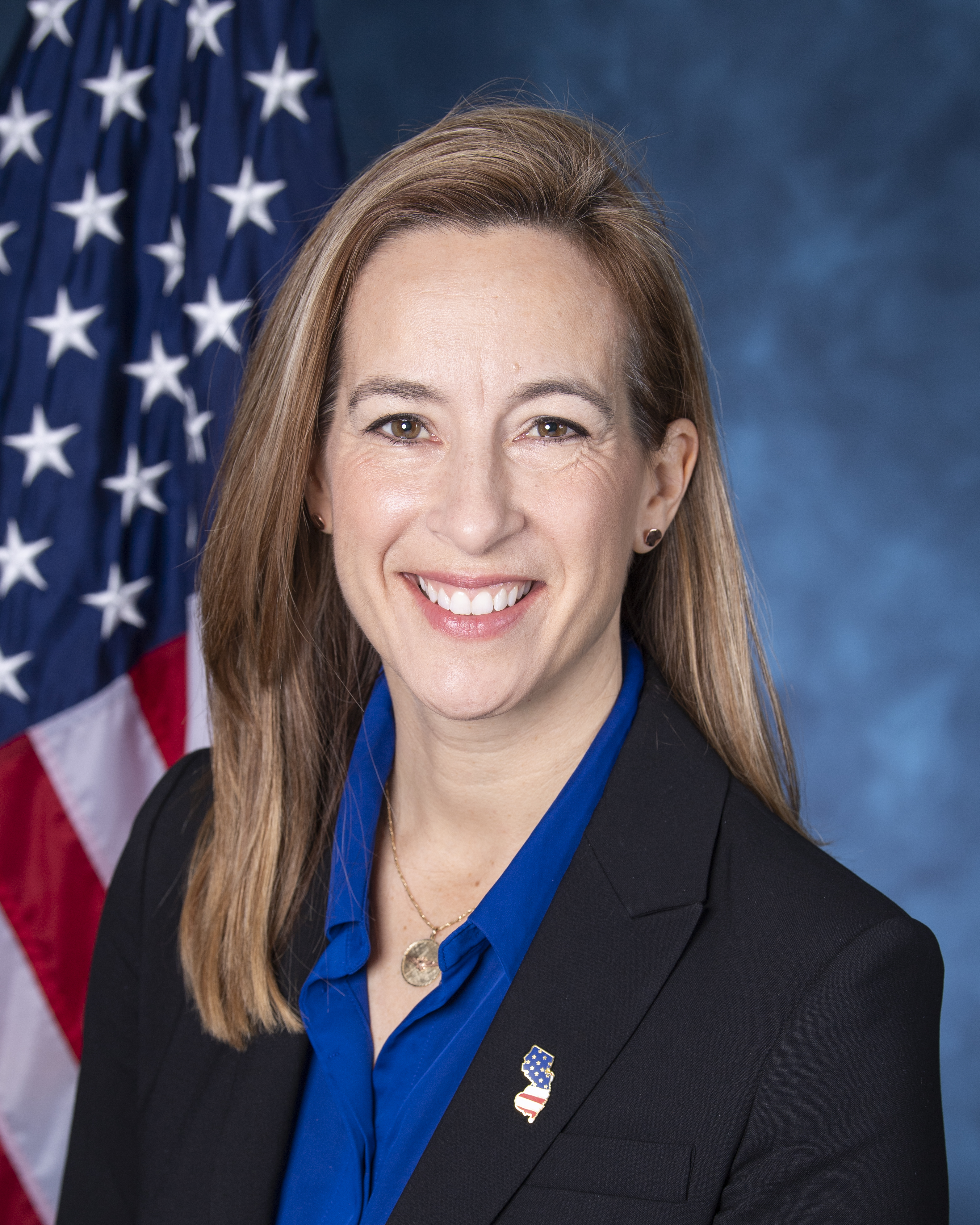
New Jersey Governor Mikie Sherrill (D) said how her military service informs her approach to serving in elected office in a recent interview [1].
The discussion highlights the intersection of military leadership and civilian governance, illustrating how the discipline of the U.S. Army translates to executive decision-making in the state's highest office [1].
Sherrill said the specific ways her background in the military shapes her current perspective on policy and governance [1]. She described the transition from a military environment to the political arena, noting that the core tenets of her service continue to guide her actions as governor [2].
According to the interview, the structure and accountability inherent in military service provide a framework for managing the complexities of state government [1]. Sherrill said that these experiences influence her methodology when addressing public challenges and coordinating with various government agencies [2].
By bridging her identity as a veteran and a politician, Sherrill aims to demonstrate a leadership style rooted in service, and strategic planning [1]. The governor said that the values learned during her time in the Army remain central to her role as the leader of New Jersey [2].
The interview appeared on the MS NOW channel, where Sherrill said the alignment between her previous duties and her current responsibilities to the electorate [1].
“Mikie Sherrill explained how her military service informs her approach to serving in elected office.”
Governor Sherrill's emphasis on her military background serves as a strategic effort to project an image of disciplined, non-partisan leadership. By framing her governance through the lens of service and accountability, she leverages her veteran status to establish credibility and stability within the New Jersey executive branch.


