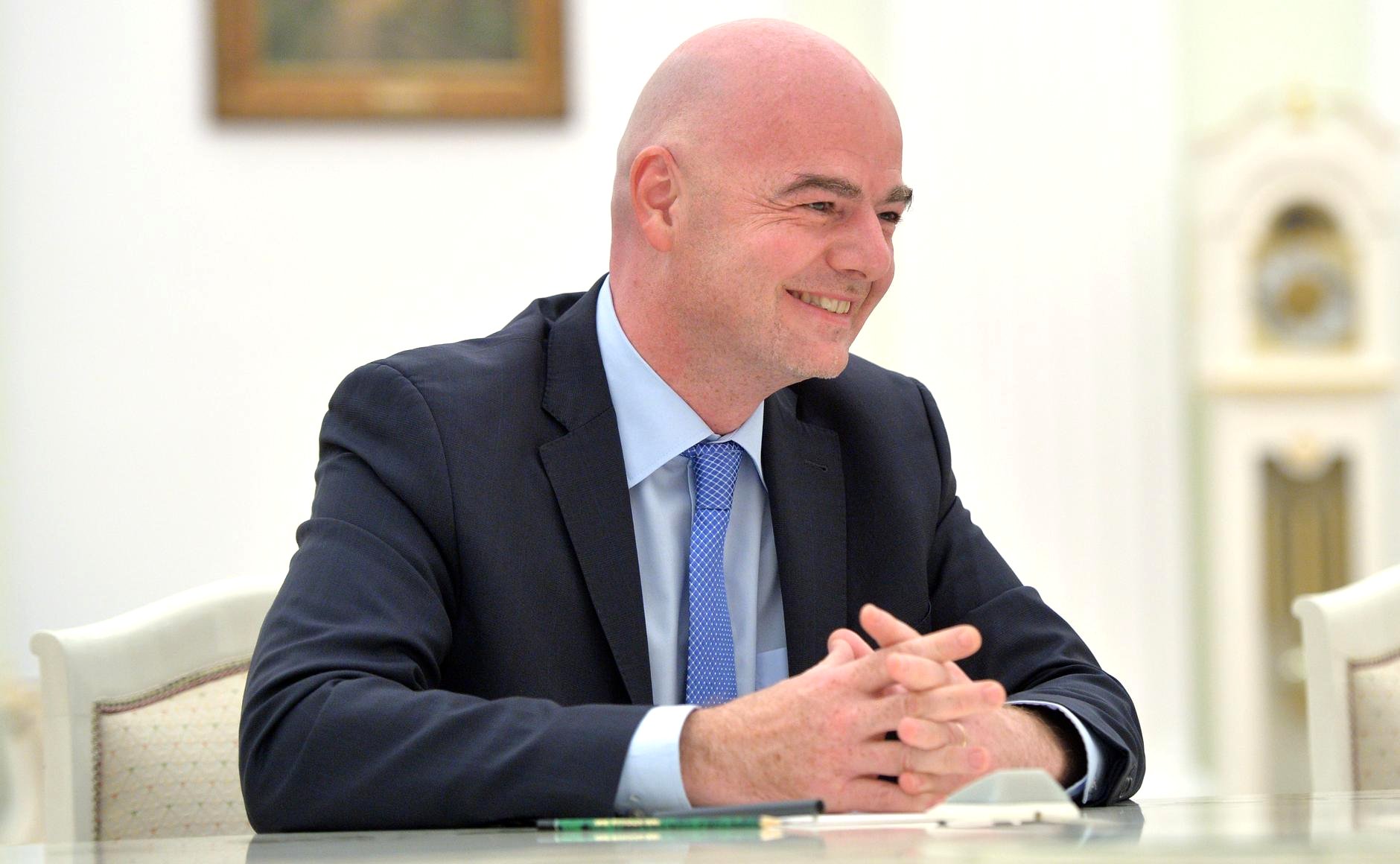
Vice President Kashim Shettima has begun a two-week annual leave dedicated to reading, reflecting, and studying [1].
The move signals an effort by the second-highest official in Nigeria to deepen his academic and professional knowledge while away from daily governance.
According to reports from the Presidency, the Vice President is utilizing the break to engage in study and reflection [2]. This period of leave is intended to allow Shettima to broaden his understanding of various subjects to better serve the Nigerian people [3].
Official accounts said the duration of the leave is two weeks [4]. During this time, the Vice President has been documented engaging in reading materials to reflect on the current state of the presidency and the needs of the nation [5].
The practice of high-ranking officials taking structured leave for intellectual development is intended to ensure continued efficacy in public service [1]. By stepping back from the immediate pressures of the office, Shettima aims to integrate new knowledge into his administrative approach [2].
While the specific texts or subjects of study were not detailed in the available reports, the emphasis remains on the act of reflection as a tool for leadership [3]. The Presidency said this period of study is a strategic component of his commitment to the country [4].
This break comes as the administration continues to navigate complex national challenges. The use of official leave for academic purposes is presented as a means of strengthening the capacity of the executive branch [5].
“Vice President Kashim Shettima has begun a two-week annual leave dedicated to reading, reflecting, and studying.”
The public emphasis on the Vice President's study habits during his leave suggests a branding effort to project a leadership style rooted in intellectualism and continuous learning. In the context of Nigerian governance, where executive capacity is frequently scrutinized, framing a vacation as a period of 'deepening knowledge' serves to justify the absence from official duties as a productive investment in national service.