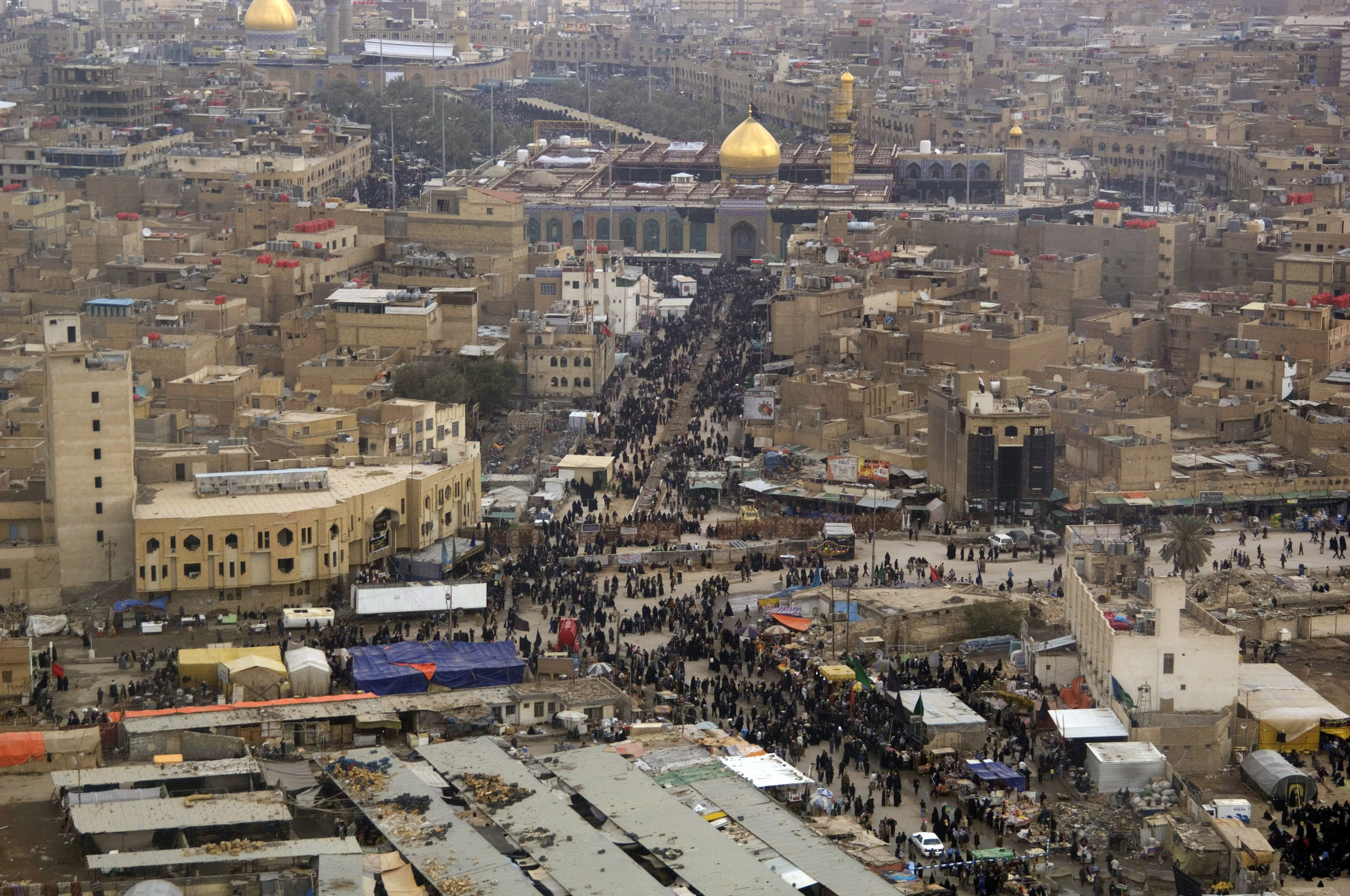
Millions of Shia Muslims marked Ashoura on Thursday, commemorating the martyrdom of Imam Hussein in Iraq and other countries worldwide [1].
The observance carries heightened significance this year because it follows months of conflict in Iran and Lebanon. For many participants, the rituals symbolize sacrifice and resistance in the face of ongoing regional instability.
Ashoura is one of the most important dates in the Shia calendar. The day honors the death of Imam Hussein, the grandson of the Prophet Muhammad, who was killed in the seventh century. In Iraq, the city of Karbala serves as a primary hub for these commemorations, drawing vast crowds of mourners who engage in processions and prayer.
According to reports, millions of Shia Muslims [1] participated in the events. The scale of the gatherings reflects the deep religious and cultural ties that bind these communities across national borders, even as geopolitical tensions rise in the Middle East.
While the ceremonies are rooted in historical grief, the current political climate has added a layer of contemporary mourning. The recent wars in Iran and Lebanon have created a backdrop of loss that mirrors the themes of the Ashoura narrative. Participants often view the historical struggle of Imam Hussein as a blueprint for enduring hardship and fighting injustice.
Security forces in Iraq and other hosting nations remained on alert to manage the massive crowds. The processions typically involve rhythmic chanting and symbolic reenactments of the battle of Karbala, serving as a collective expression of faith and identity for the global Shia population.
“Millions of Shia Muslims marked Ashoura on Thursday.”
The intersection of a major religious observance with active regional warfare underscores how historical narratives of martyrdom are often projected onto current political conflicts. By framing current losses in Iran and Lebanon through the lens of Ashoura, the events reinforce a collective identity centered on resistance and sacrifice, potentially deepening the ideological resolve of the participants.
'%2F%3E%0A%20%20%20%20%3Crect%20width%3D'1600'%20height%3D'900'%20fill%3D'url(%23v)'%2F%3E%0A%20%20%20%20%3Cg%20opacity%3D'0.08'%20fill%3D'%23ffffff'%3E%0A%20%20%20%20%20%20%3Ccircle%20cx%3D'1420'%20cy%3D'180'%20r%3D'220'%2F%3E%0A%20%20%20%20%20%20%3Ccircle%20cx%3D'1500'%20cy%3D'760'%20r%3D'120'%2F%3E%0A%20%20%20%20%3C%2Fg%3E%0A%20%20%20%20%3Cline%20x1%3D'80'%20y1%3D'172'%20x2%3D'220'%20y2%3D'172'%20stroke%3D'%23ffffff'%20stroke-width%3D'3'%20stroke-opacity%3D'0.6'%2F%3E%0A%20%20%20%20%3Ctext%20x%3D'80'%20y%3D'140'%20font-family%3D'Inter%2C%20-apple-system%2C%20Helvetica%2C%20sans-serif'%20font-weight%3D'700'%20font-size%3D'28'%20fill%3D'%23ffffff'%20letter-spacing%3D'6'%3EHANNA%20%C2%B7%20NEWS%3C%2Ftext%3E%0A%20%20%20%20%3Ctext%20x%3D'80'%20y%3D'230'%20font-family%3D'Inter%2C%20-apple-system%2C%20Helvetica%2C%20sans-serif'%20font-weight%3D'600'%20font-size%3D'40'%20fill%3D'%23ffffffb3'%20letter-spacing%3D'4'%3EWORLD%3C%2Ftext%3E%0A%20%20%20%20%3Ctext%20x%3D'80'%20y%3D'694'%20font-family%3D'Playfair%20Display%2C%20Georgia%2C%20serif'%20font-weight%3D'800'%20font-size%3D'110'%20fill%3D'%23ffffff'%20letter-spacing%3D'-1'%3ETwo%20Powerful%20Earthquakes%3C%2Ftext%3E%3Ctext%20x%3D'80'%20y%3D'820'%20font-family%3D'Playfair%20Display%2C%20Georgia%2C%20serif'%20font-weight%3D'800'%20font-size%3D'110'%20fill%3D'%23ffffff'%20letter-spacing%3D'-1'%3EStrike%20La%20Guaira%2C%20Venezuela%3C%2Ftext%3E%0A%20%20%20%20%3Ctext%20x%3D'80'%20y%3D'870'%20font-family%3D'Inter%2C%20-apple-system%2C%20Helvetica%2C%20sans-serif'%20font-weight%3D'500'%20font-size%3D'22'%20fill%3D'%23ffffff66'%20letter-spacing%3D'2'%3Enews.hanna-ai.com%3C%2Ftext%3E%0A%20%20%3C%2Fsvg%3E)

