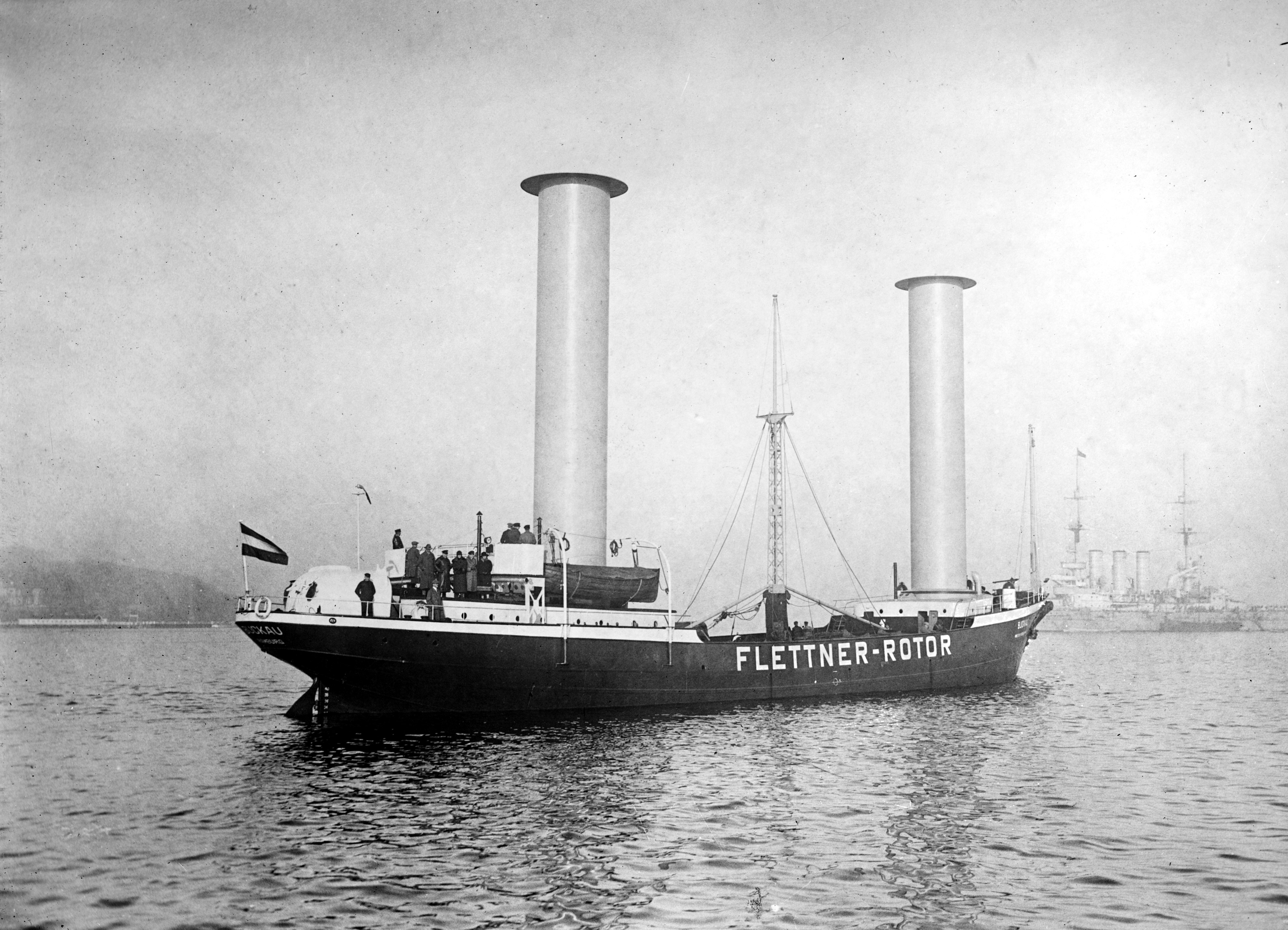
The shipping industry is integrating wind power technologies, including Flettner rotors and rigid wing sails, to reduce reliance on traditional fuels.
This transition is critical because the global logistics network relies on heavy emissions to maintain the supply chain. Shifting toward sustainable propulsion could lower the carbon footprint of the vessels that move the majority of global consumer goods.
Modern cargo transport currently relies on a massive fleet of 100,000 ships that burn some of the most polluting fuels on the planet daily [1]. These vessels are responsible for moving 90% of the items owned by consumers [2].
"Every single day, 100,000 cargo ships burn some of the dirtiest fuel on the planet to move 90% of everything you own," Two Bit da Vinci said.
The return to wind is a pivot toward a method of propulsion used by humans for 5,000 years [3]. However, the current approach differs from ancient sailing by utilizing advanced engineering from companies such as Norsepower and AMD to maximize efficiency.
These new systems include Flettner rotors, spinning cylinders that use the Magnus effect to create thrust, and rigid wing sails. These tools allow ships to harness wind energy more effectively than traditional canvas sails, reducing the amount of fuel required for long-haul voyages across the Atlantic Ocean and other global routes.
By combining these wind-assist technologies with existing engines, the industry seeks a middle ground between total decarbonization and the current reliance on heavy fuel oils. This hybrid approach aims to stabilize shipping costs while meeting environmental targets.
“100,000 cargo ships burn some of the dirtiest fuel on the planet to move 90% of everything you own.”
The adoption of wind-assist technology represents a pragmatic shift in maritime logistics. Rather than waiting for a total transition to hydrogen or electric power, the industry is leveraging proven physics—the wind—augmented by modern aerodynamics to achieve immediate emission reductions. This suggests a future of hybrid propulsion where weather patterns once again dictate the efficiency of global trade.

