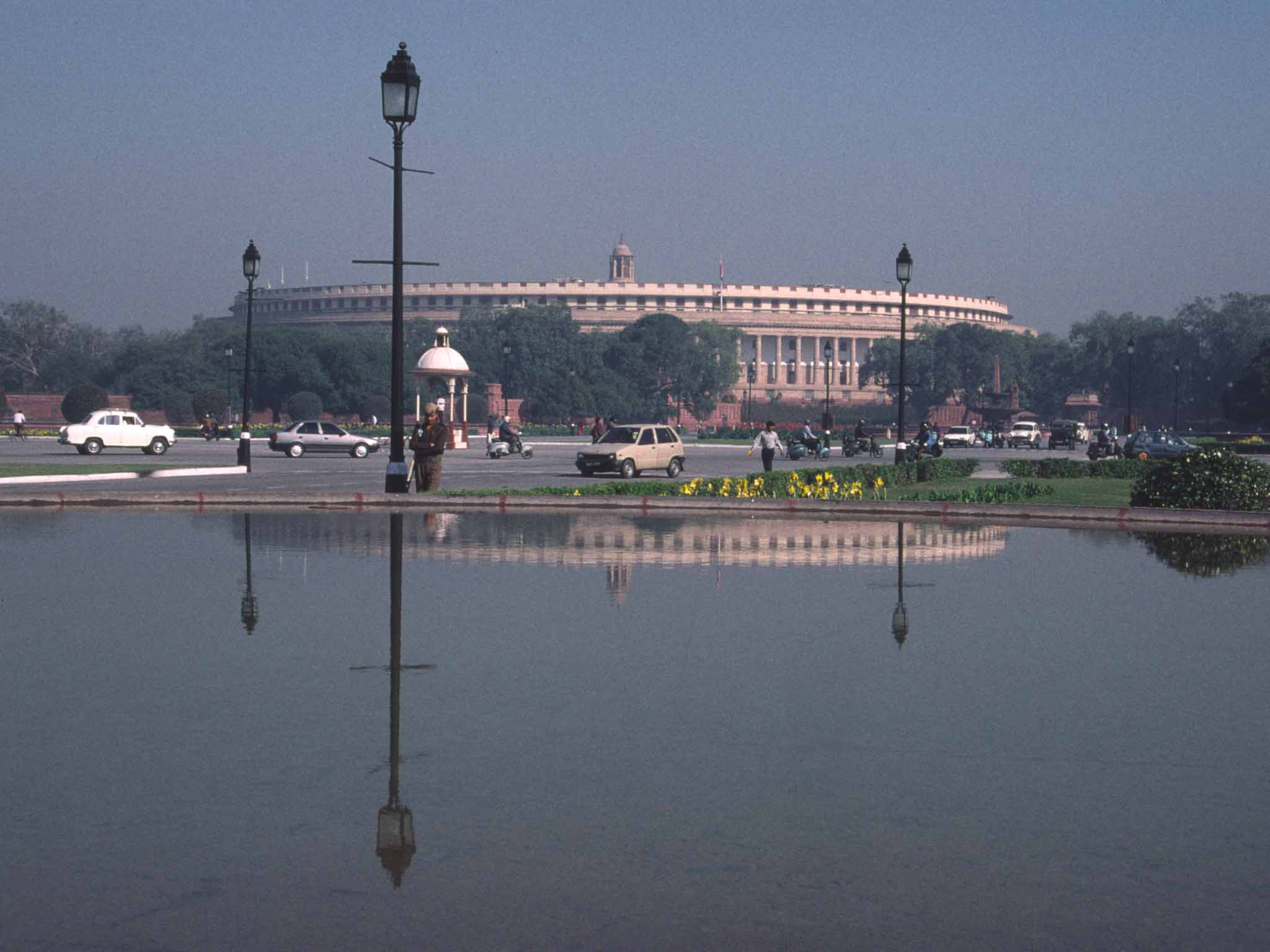
Shiv Sena (UBT) MPs, including Anil Desai, convened an emergency parliamentary party meeting in Delhi to address an internal rebellion [1].
The gathering follows reports of a coordinated effort to challenge the leadership of Uddhav Thackeray. This instability threatens the party's cohesion and its strategic position within the parliamentary landscape.
Party members expressed anger over a movement referred to as “Operation Tiger” [1, 2]. The rebellion is characterized as an internal effort to undermine the current leadership structure [2].
Reports indicate that six out of nine Shiv Sena (UBT) MPs are currently dissenting [3]. This represents a significant majority of the party's parliamentary representation, suggesting a deep rift between the leadership and its elected officials.
Desai and other MPs met in the capital to discuss the crisis and determine a path forward. The emergency nature of the meeting underscores the urgency with which the party is treating the reported defection efforts.
While the party has not released a formal statement on the outcome of the meeting, the focus remains on containing the fallout from Operation Tiger. The movement has created a volatile atmosphere within the party ranks as members weigh their loyalty to Thackeray against the goals of the dissenters.
“Shiv Sena (UBT) MPs convened an emergency parliamentary party meeting in Delhi”
The scale of the dissent—potentially affecting two-thirds of the party's MPs—suggests that Operation Tiger is not a minor disagreement but a systemic challenge to Uddhav Thackeray's authority. If these MPs formally break away or shift their allegiance, it could lead to a loss of parliamentary strength and further fragment the regional political landscape in Maharashtra.


