Sikh MLAs and ministers from multiple parties appeared before Akal Takht high priests on June 8, 2026, regarding a new anti-sacrilege law [1].
The summons highlights a growing tension between the Punjab government and the highest temporal seat of Sikhism over the authority to legislate on religious matters. Because the law was passed without the consent of the community's spiritual leadership, it has triggered a confrontation over legislative overreach.
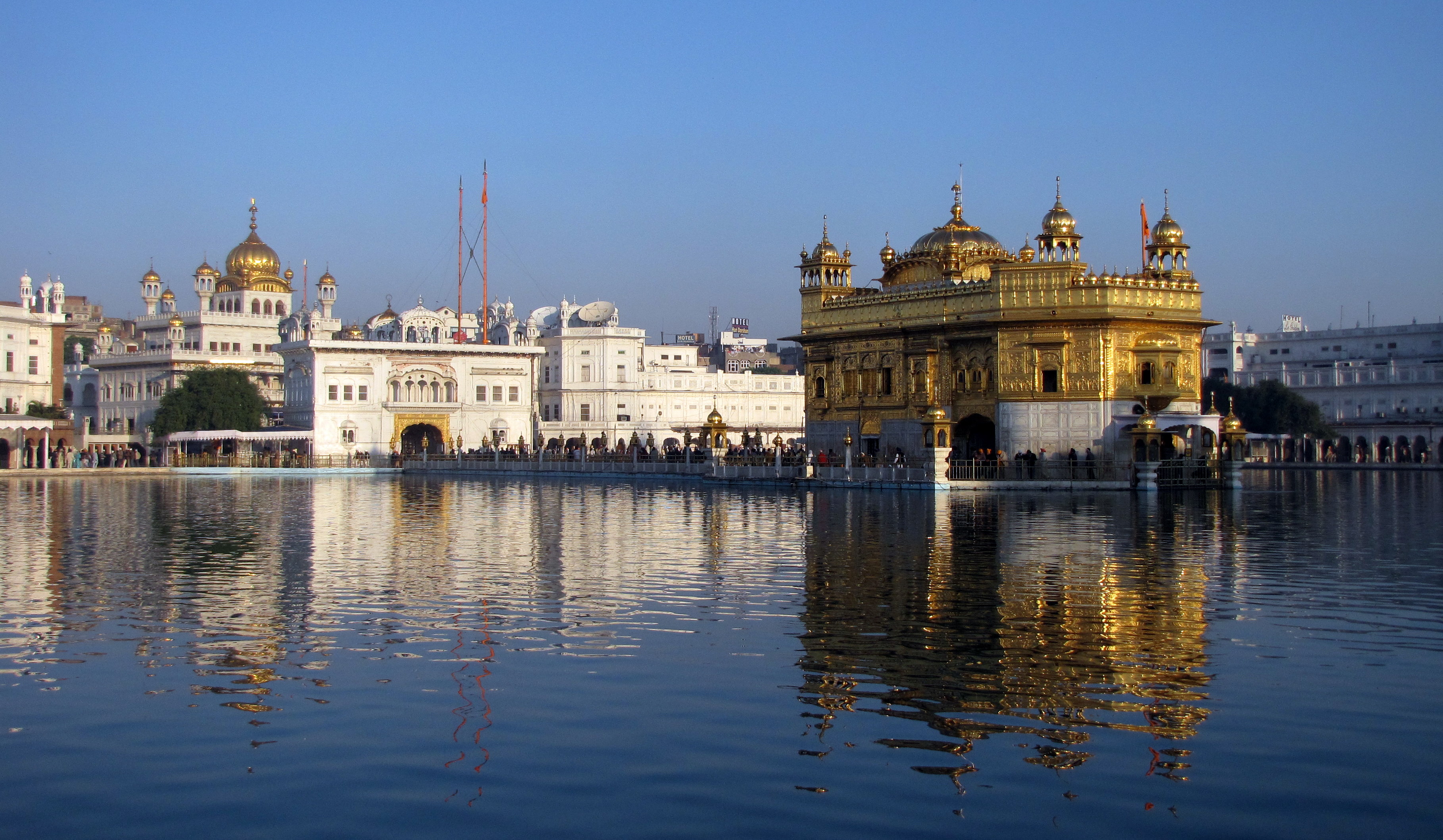
Legislators from the Aam Aadmi Party (AAP), Shiromani Akali Dal, and Congress reported to the Akal Takht Secretariat at the Golden Temple complex in Amritsar [1, 2]. They were required to answer questions about the Jaagat Jot Sri Guru Granth Sahib Satkar (Amendment) Act, 2026 [1, 2].
Five high priests presided over the hearing [1]. The Akal Takht objected to the enactment of the law, saying that the Punjab Assembly did not consult the Shiromani Gurdwara Parbandhak Committee (SGPC), the Akal Takht, or any other Sikh organization before passing the measure [2].
The proceedings took place around the 42nd anniversary of Operation Bluestar [3]. This historical context adds weight to the current dispute, as the Akal Takht continues to challenge the AAP government's approach to laws affecting the Sikh faith [3].
The legislators were called to provide an explanation for why the government bypassed traditional consultative processes with religious bodies [2]. The high priests said they sought to determine how the state could implement an act concerning the sanctity of the Guru Granth Sahib without the guidance of the faith's primary institutions [1, 2].
“Sikh MLAs and ministers from multiple parties appeared before Akal Takht high priests”
This event underscores the unique dual-governance structure in Punjab, where the secular state government must navigate the influential spiritual authority of the Akal Takht. By summoning elected officials to answer for a legislative act, the Akal Takht is asserting that religious legislation requires ecclesiastical consent, potentially limiting the Punjab Assembly's autonomy on matters of faith and sacrilege.


