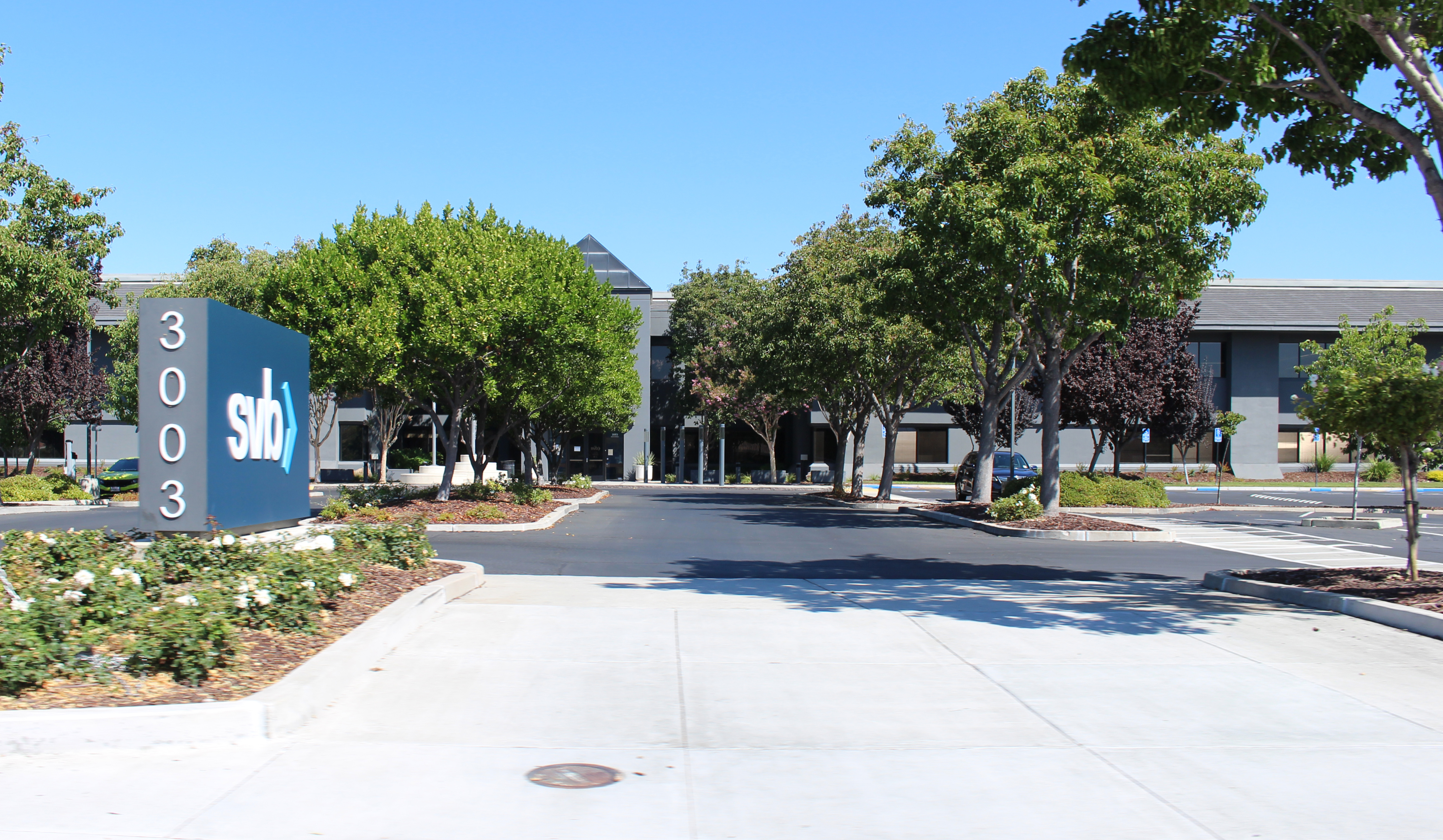
Silicon Valley technology companies are using artificial-intelligence-driven restructurings to eliminate middle-level management positions across the U.S. tech sector [1].
This shift represents a fundamental change in corporate architecture. By removing layers of oversight, firms are attempting to accelerate decision-making and reduce overhead costs while pivoting their workforce toward AI development.
The purge of what executives call "unnecessary management layers" began last week [1]. These firms are currently investing billions of dollars [1] into artificial intelligence projects. Company leaders said that AI enables them to produce more work with fewer employees, which justifies a flatter organizational structure [1].
While CEOs view this as an efficiency gain, the employees remaining in these companies report a loss of stability. The removal of middle managers often eliminates the primary source of mentorship, and clear career pathways for junior staff [1].
Some employees expressed fear over the unpredictable nature of these AI-led changes. "I didn’t want to be the guinea pig," one anonymous tech worker said [1].
This restructuring is not merely about cost-cutting but about a strategic reallocation of human capital. The companies are shifting resources away from traditional administration and toward the technical infrastructure required to sustain AI growth [1].
“"I didn’t want to be the guinea pig"”
The transition toward 'flatter' hierarchies suggests that AI is being used not just to automate tasks, but to automate the function of management itself. If middle-management roles continue to disappear, the tech industry may face a long-term crisis in leadership development, as the bridge between entry-level execution and executive strategy is dismantled.

