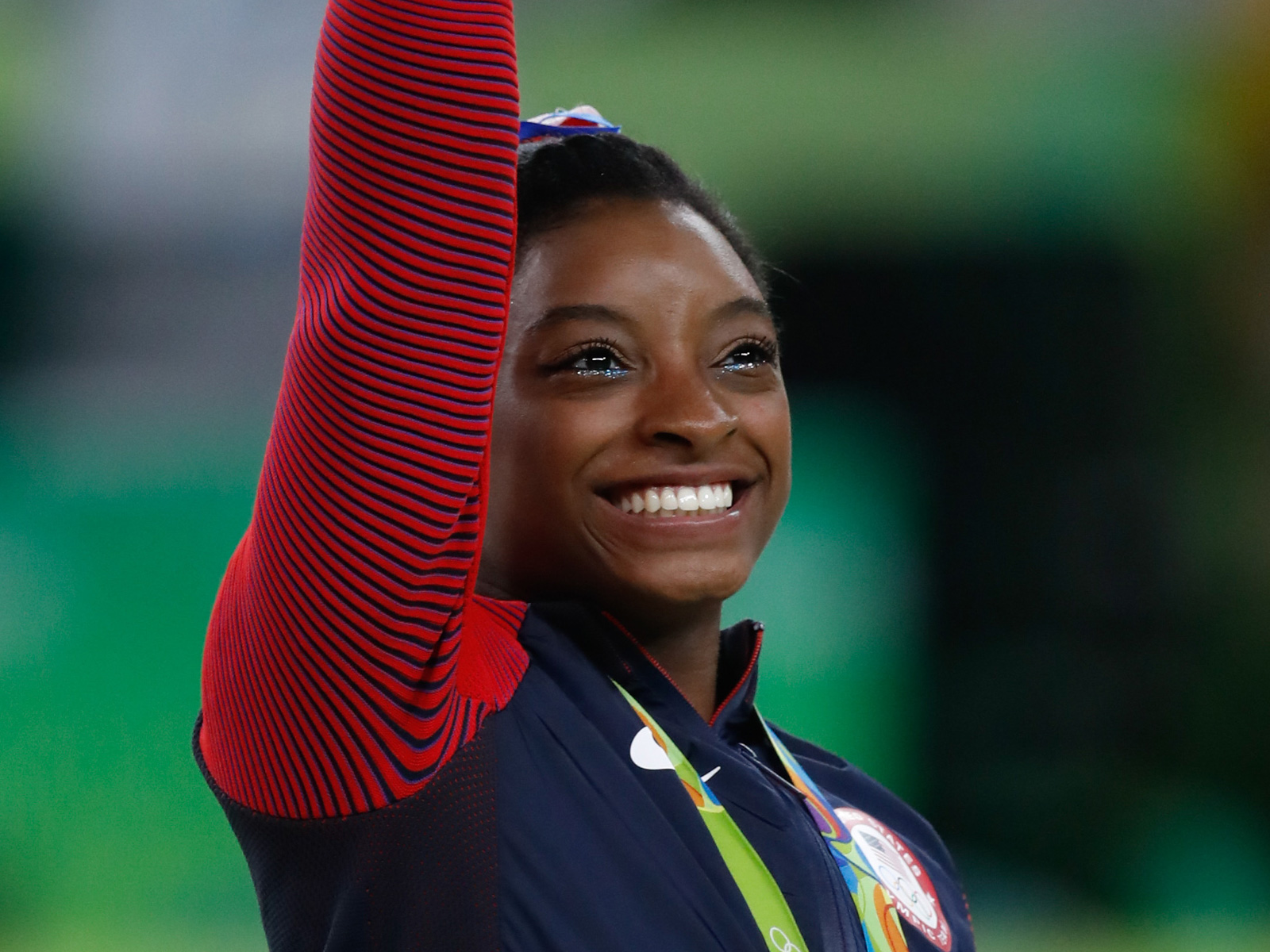
Olympic gymnast Simone Biles responded to critics on Instagram who questioned why she was vacationing after a near-fatal medical emergency [1].
The situation highlights the ongoing tension between the public's expectations of athlete behavior and the private needs of individuals recovering from severe health crises.
Biles, 29 [1], addressed the backlash on June 18, 2024 [1]. She shared photos of her travels, which prompted some followers to question the timing of her trip following a serious health scare. Biles said the critical remarks were "sad" and said the trip was a necessary part of her recovery process.
"This trip has been part of allowing myself to heal," Biles said [2].
While Biles confirmed the severity of the incident, she declined to provide specific details regarding the nature of the crisis. She said the event was unexpected and life-threatening.
"Almost dying wasn't on my bingo card earlier this week," Biles said [3].
Despite the public interest in her health, the athlete maintained a boundary regarding her private medical information. She said she is not yet prepared to disclose the specifics of the event to the public.
"I'm not ready to talk about my near‑death medical emergency," Biles said [4].
The response from the gymnast underscores the challenge of maintaining privacy while operating in the global spotlight, especially when dealing with medical trauma.
“"This trip has been part of allowing myself to heal."”
This incident reflects a broader cultural conversation regarding the 'right to recover' in the digital age. By publicly defending her vacation as a tool for healing, Biles is challenging the notion that recovery must be performed in a way that satisfies public perception or traditional expectations of illness.


