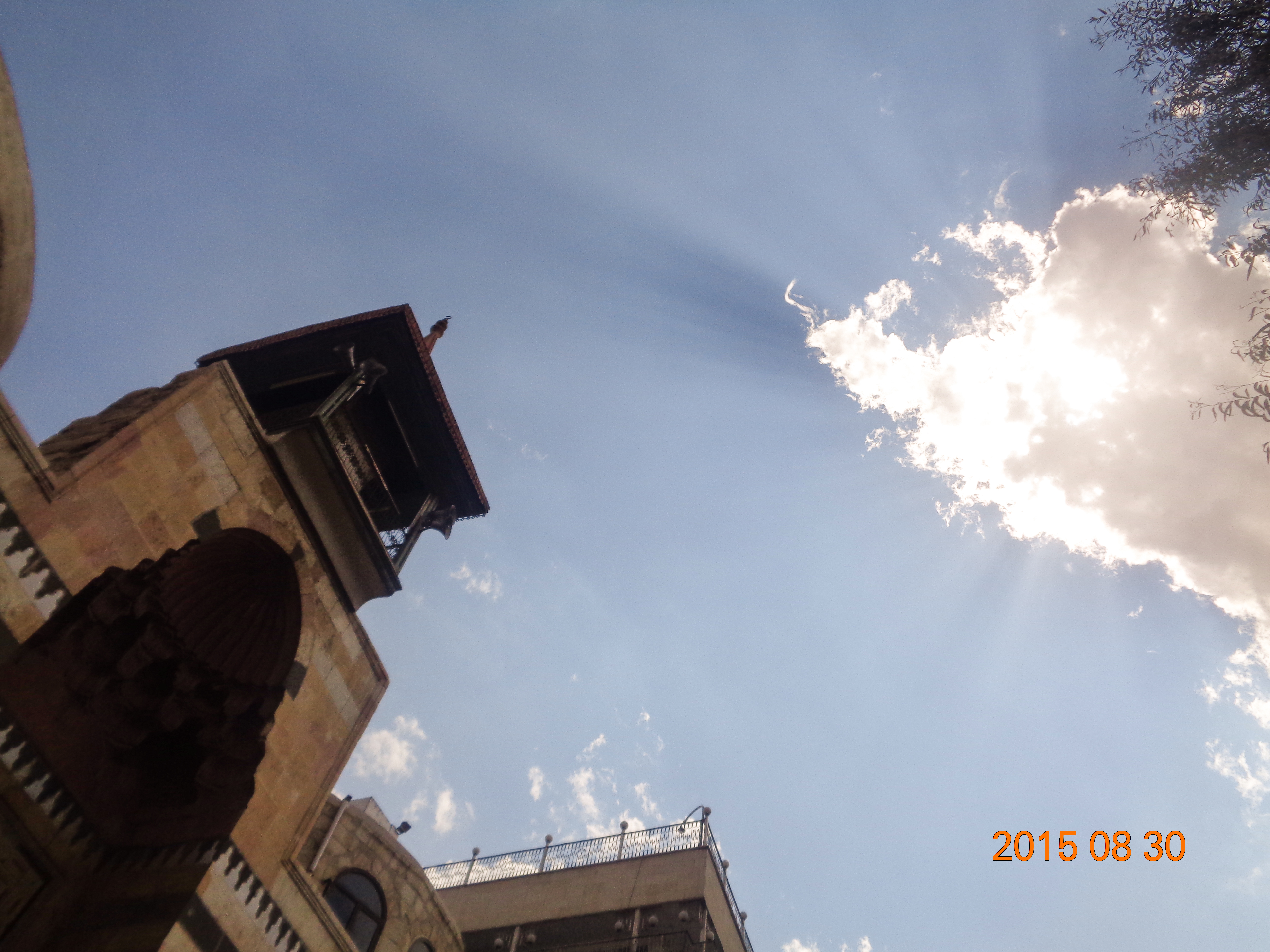
Singapore experiences lightning strikes without accompanying rain on approximately 176 days annually [1].
These atmospheric events challenge common perceptions of storm patterns and highlight the unpredictability of electrical discharges in tropical climates. Understanding these patterns is critical for urban safety, and infrastructure planning in high-density environments.
Data from the Changi climate station indicates that lightning does not always coincide with precipitation [1]. While most people associate thunder and lightning with heavy downpours, these "dry" strikes occur when electrical charges build up in the atmosphere without the necessary moisture to produce rain at the surface level.
Among these events are the so-called "bolts from the blue." These are sudden, unexpected lightning strikes that appear to originate from a clear sky [1]. In reality, these bolts travel horizontally from a distant storm cloud before striking the ground, often miles away from the actual rain cell [1].
The reasons why lightning strikes without rain occur are not yet fully understood by scientists [1]. This phenomenon is not limited to Singapore; similar electrical events have been observed globally, including strikes on high-altitude structures such as the Burj Khalifa [2].
Because these strikes can occur without the warning sign of falling rain, they pose a unique risk to people outdoors. The absence of a visible storm cloud directly overhead can lead to a false sense of security, making the sudden discharge of electricity more dangerous to those unaware of distant weather activity [1].
“Singapore experiences lightning strikes without accompanying rain on approximately 176 days annually.”
The frequency of dry lightning in Singapore underscores the complexity of tropical meteorology. Because 'bolts from the blue' can strike far from a visible storm, traditional weather warnings based on local precipitation may be insufficient. This data suggests a need for more sophisticated early-warning systems that track electrical activity rather than just rainfall.