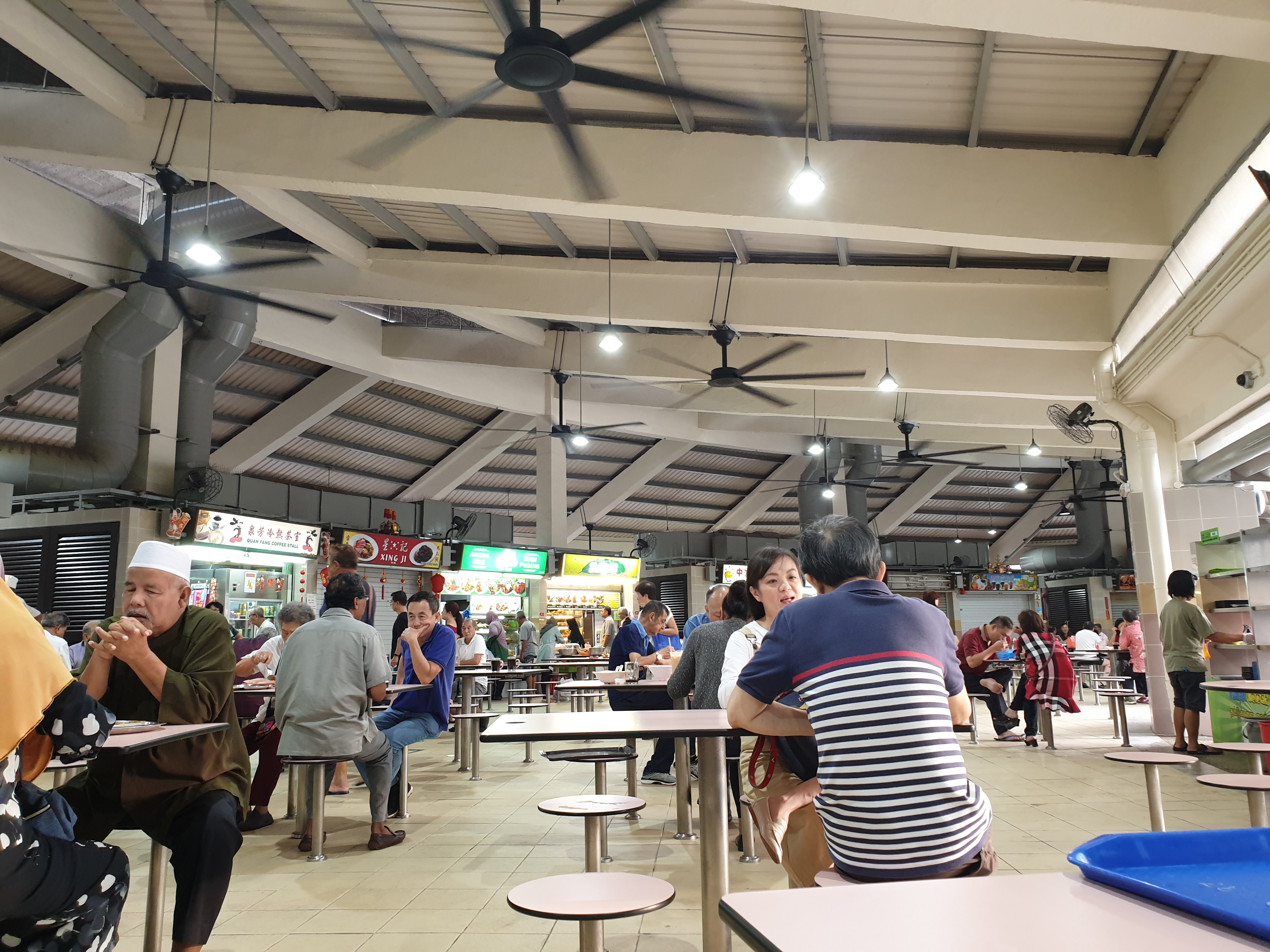
Hawkers and market stallholders in Singapore have welcomed a government rent support scheme designed to ease the burden of rising operating costs [1].
This initiative arrives as a critical lifeline for small-scale food vendors who face increasing overheads. Because these vendors provide affordable meals to a wide demographic, their financial stability is tied to the broader cost of living and food security within the city-state.
Vendors have noted that the rising costs of maintaining stalls have forced some to make difficult business decisions. Ameer Amsha Jasmine Banu, who operates an Indian Muslim food stall in the Ci Yuan Hawker Centre in Hougang, said the increasing expenses led her to axe her rojak offerings [2].
While the immediate relief provided by the rent support is appreciated, many stallholders argue that temporary subsidies are insufficient. They are calling for more sustainable, long-term assistance to ensure that traditional hawker culture can survive in a high-cost environment [1].
Market participants said the support helps stabilize their current cash flow, yet the underlying pressure from inflation and rent remains a constant threat. The government's move to intervene indicates an acknowledgment of the vulnerability of the hawker sector, a cornerstone of Singapore's social and culinary identity.
Stallholders hope that the current scheme is a precursor to a more comprehensive framework. Such a framework would ideally address the systemic costs of operation, rather than providing periodic financial injections [1].
“Hawkers and market stallholders in Singapore have welcomed a government rent support scheme”
The government's intervention suggests that the cost of doing business in Singapore's hawker centres has reached a tipping point where market forces alone cannot sustain traditional vendors. By providing rent support, the state is attempting to prevent a decline in the diversity of food offerings and the disappearance of affordable dining options, though the demand for long-term structural help indicates that the current economic pressure is systemic rather than transitory.


