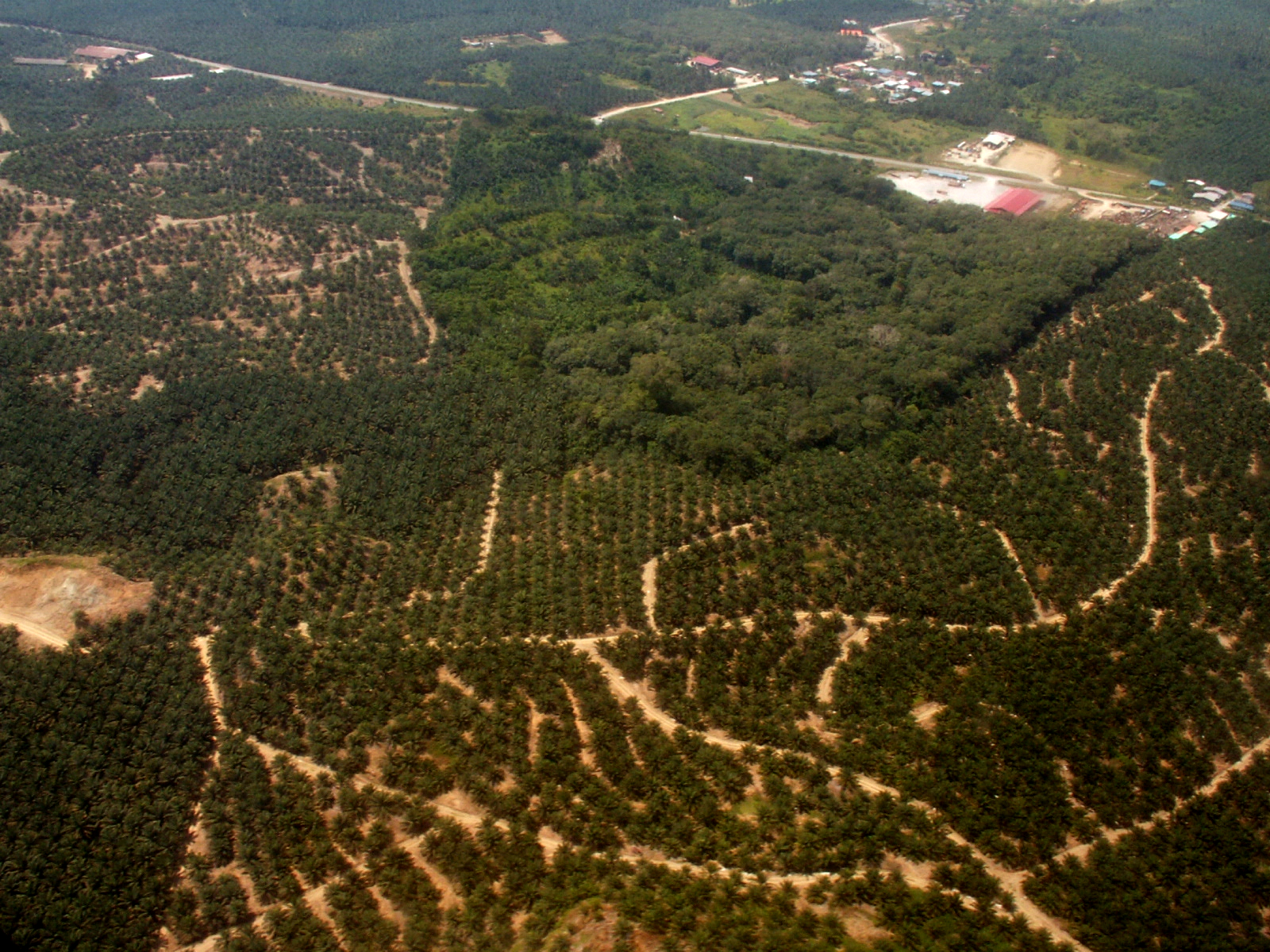
Singapore faces an increased risk of haze episodes from June to October 2026 [1].
This environmental threat matters because the combination of specific climate patterns can lead to severe air pollution, impacting public health and visibility across the region.
Authorities said the risk is driven by developing El Niño and Indian Ocean Dipole conditions [1]. These atmospheric patterns are expected to bring warmer and drier weather, which increases the likelihood of forest fires in Southeast Asia [1, 2].
Grace Fu, Minister for Sustainability and the Environment, said the projected hotter and drier conditions later in 2026 could trigger more intense forest fires and haze in Southeast Asia [2]. The resulting smoke and particulate matter often drift into Singapore, creating hazardous air quality levels.
Local reports indicate that the critical risk period spans from June to October 2026 [1]. The convergence of these two climate phenomena, El Niño and the Indian Ocean Dipole, creates a compounding effect that dries out vegetation and makes land more susceptible to ignition [1, 3].
Regional governments typically monitor these conditions to coordinate fire-fighting efforts and issue public health advisories. The current outlook suggests a heightened state of vigilance is necessary for the coming months to mitigate the impact of potential smoke incursions.
“Singapore faces increased haze risk from June to October due to developing El Niño and Indian Ocean Dipole conditions.”
The synchronization of El Niño and the Indian Ocean Dipole typically exacerbates drought conditions in Southeast Asia. For Singapore, which is highly susceptible to transboundary haze, this means a higher probability of air quality degradation that can strain healthcare systems and disrupt economic activity through reduced visibility and outdoor restrictions.