
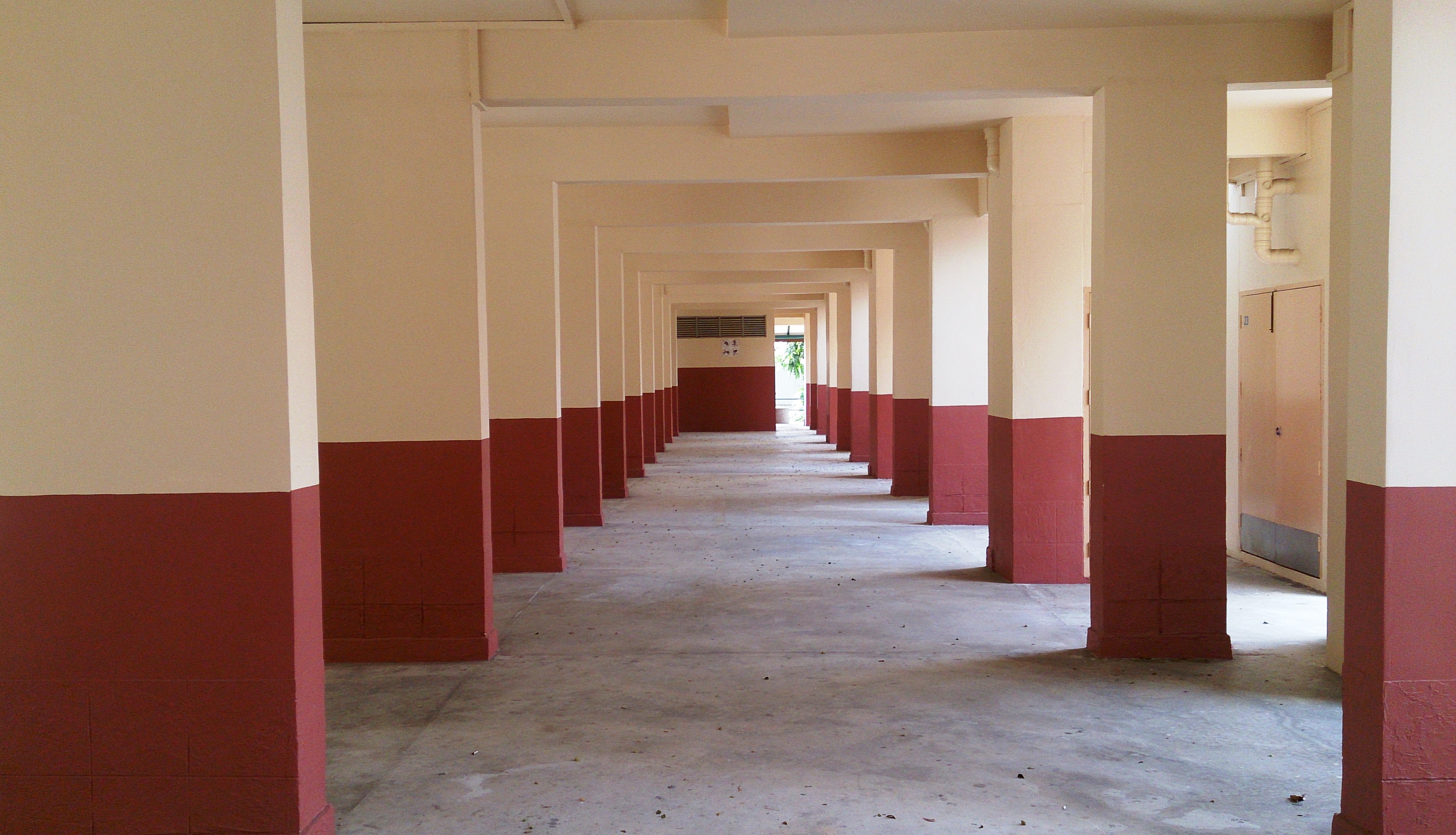
Goo Kok Hwa and Tina Lee held their wedding ceremony at a void deck of a public housing block in Singapore [1].
The decision highlights a shift toward accessible and affordable celebrations in a city known for lavish hotel ballroom weddings. By utilizing the open space in front of a Housing and Development Board (HDB) block, the couple prioritized the comfort of their oldest relatives over traditional luxury [1, 2].
Void decks are common architectural features in Singapore's public housing estates, designed to provide sheltered communal areas for residents. While these spaces typically host neighborhood gatherings or funerals, the couple repurposed the area to create a personal atmosphere for their marriage rites [1].
Reports said the primary motivation for the venue choice was to make the celebration easily accessible for elderly guests [2]. The couple sought to avoid the logistical challenges associated with transporting senior citizens to distant commercial venues, a move that ensured a higher attendance of family members who might otherwise have been unable to travel [2].
Beyond accessibility, the couple aimed to keep the event affordable [1, 2]. By removing the cost of a commercial venue, they were able to focus on the intimacy of the gathering. The communal setting allowed the celebration to remain grounded in the neighborhood where many of their guests live and socialize [1].
This approach to wedding planning reflects a growing trend of prioritizing inclusivity and familial bonds over the societal pressure of expensive ceremonies. The event served as a reminder of the utility of public spaces in fostering community and family connections [1, 2].
“The couple repurposed the area to create a personal atmosphere for their marriage rites.”
This event underscores a tension in Singaporean society between traditional, high-cost wedding expectations and a pragmatic desire for inclusivity. By utilizing HDB void decks for milestone celebrations, couples are challenging the necessity of commercial venues and redefining luxury as the ability for all family members, regardless of mobility, to participate in significant life events.


