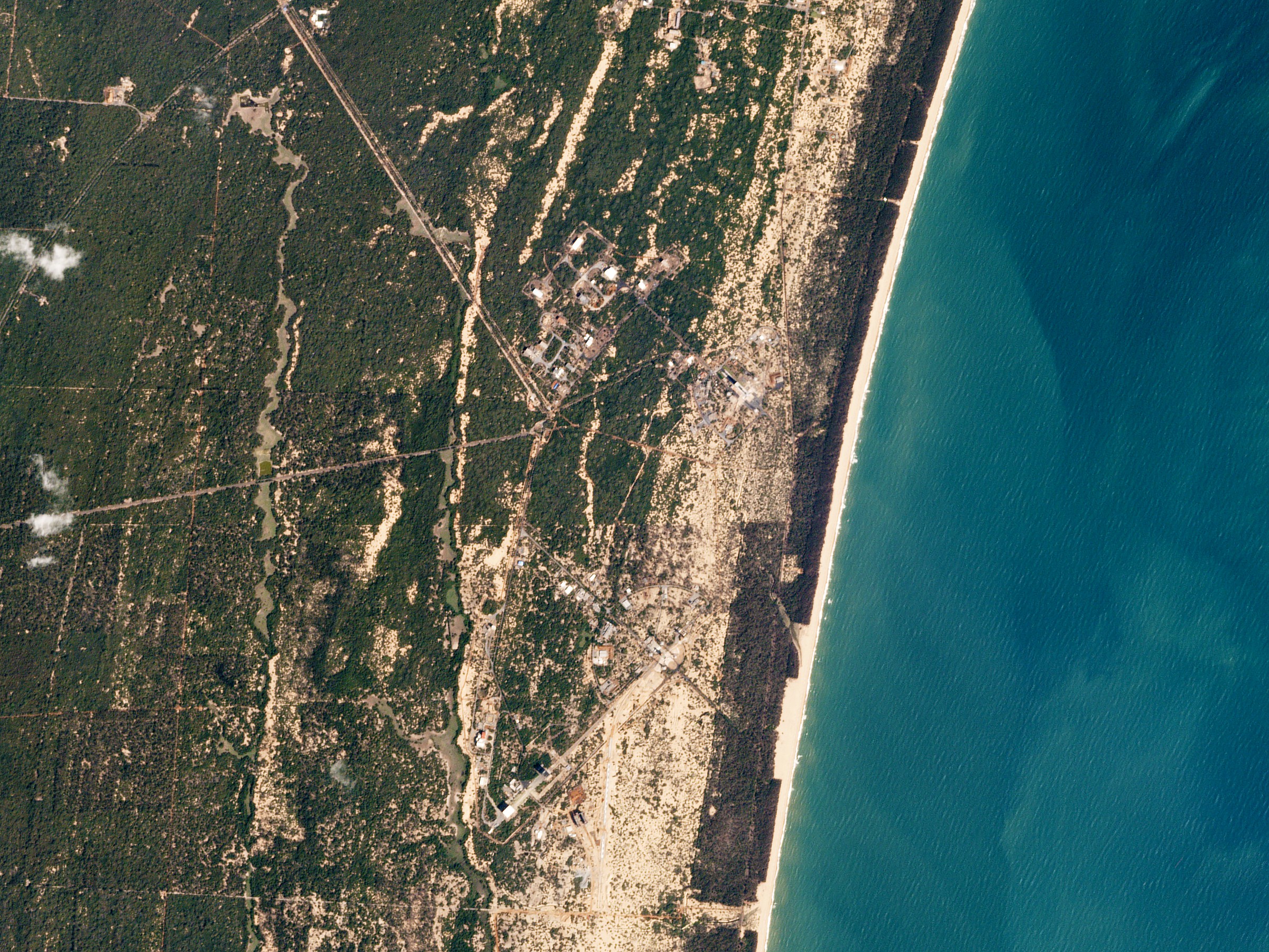
Skyroot Aerospace is preparing to launch Vikram-1, the first privately developed orbital-class rocket in India [1].
The launch marks a pivotal shift in the nation's space capabilities by moving orbital access beyond government-run agencies. By establishing a private launch vehicle, India aims to foster a more competitive commercial space ecosystem, and reduce reliance on state-operated infrastructure.
Operating under the Mission Aagaman programme, the Vikram-1 is positioned as a historic milestone for the Indian private sector. The company has highlighted 10 historic firsts associated with the vehicle and its mission [2]. The rocket is scheduled for liftoff from the Satish Dhawan Space Centre in Sriharikota [3].
Reports regarding the exact timing of the launch have varied. Some reports indicated the rocket was ready for liftoff as early as July 3 [4], while other schedules placed the earliest possible launch date on July 12 [5].
Skyroot Aerospace intends for the vehicle to serve as the foundation for a new era of satellite deployment. The company is focusing on creating a system that can handle frequent launches for both domestic and international clients.
"With Vikram-1, we take our biggest step yet towards a reliable, high-cadence launch programme built in India, for India and the world," a Skyroot Aerospace spokesperson said [6].
The Mission Aagaman programme represents a strategic effort to advance the nation's private space sector. By proving the viability of an orbital-class rocket, Skyroot seeks to demonstrate that private Indian firms can manage the complexities of orbital insertion, a task previously reserved for the Indian Space Research Organisation.
“India’s first privately developed orbital-class rocket”
The successful deployment of Vikram-1 would signal India's transition into a dual-track space strategy, where the state and private enterprises operate in tandem. This shift is likely to lower the cost of entry for Indian startups wishing to launch small satellites, potentially accelerating the growth of the domestic space-tech economy and increasing India's share of the global commercial launch market.

'%2F%3E%0A%20%20%20%20%3Crect%20width%3D'1600'%20height%3D'900'%20fill%3D'url(%23v)'%2F%3E%0A%20%20%20%20%3Cg%20opacity%3D'0.08'%20fill%3D'%23ffffff'%3E%0A%20%20%20%20%20%20%3Ccircle%20cx%3D'1420'%20cy%3D'180'%20r%3D'220'%2F%3E%0A%20%20%20%20%20%20%3Ccircle%20cx%3D'1500'%20cy%3D'760'%20r%3D'120'%2F%3E%0A%20%20%20%20%3C%2Fg%3E%0A%20%20%20%20%3Cline%20x1%3D'80'%20y1%3D'172'%20x2%3D'220'%20y2%3D'172'%20stroke%3D'%23ffffff'%20stroke-width%3D'3'%20stroke-opacity%3D'0.6'%2F%3E%0A%20%20%20%20%3Ctext%20x%3D'80'%20y%3D'140'%20font-family%3D'Inter%2C%20-apple-system%2C%20Helvetica%2C%20sans-serif'%20font-weight%3D'700'%20font-size%3D'28'%20fill%3D'%23ffffff'%20letter-spacing%3D'6'%3EHANNA%20%C2%B7%20NEWS%3C%2Ftext%3E%0A%20%20%20%20%3Ctext%20x%3D'80'%20y%3D'230'%20font-family%3D'Inter%2C%20-apple-system%2C%20Helvetica%2C%20sans-serif'%20font-weight%3D'600'%20font-size%3D'40'%20fill%3D'%23ffffffb3'%20letter-spacing%3D'4'%3EWORLD%3C%2Ftext%3E%0A%20%20%20%20%3Ctext%20x%3D'80'%20y%3D'622'%20font-family%3D'Playfair%20Display%2C%20Georgia%2C%20serif'%20font-weight%3D'800'%20font-size%3D'86'%20fill%3D'%23ffffff'%20letter-spacing%3D'-1'%3ESuspended%20EMPD%20Deputy%20Chief%3C%2Ftext%3E%3Ctext%20x%3D'80'%20y%3D'721'%20font-family%3D'Playfair%20Display%2C%20Georgia%2C%20serif'%20font-weight%3D'800'%20font-size%3D'86'%20fill%3D'%23ffffff'%20letter-spacing%3D'-1'%3Earrested%20in%20R14.9%20million%3C%2Ftext%3E%3Ctext%20x%3D'80'%20y%3D'820'%20font-family%3D'Playfair%20Display%2C%20Georgia%2C%20serif'%20font-weight%3D'800'%20font-size%3D'86'%20fill%3D'%23ffffff'%20letter-spacing%3D'-1'%3Estone%20theft%20case%3C%2Ftext%3E%0A%20%20%20%20%3Ctext%20x%3D'80'%20y%3D'870'%20font-family%3D'Inter%2C%20-apple-system%2C%20Helvetica%2C%20sans-serif'%20font-weight%3D'500'%20font-size%3D'22'%20fill%3D'%23ffffff66'%20letter-spacing%3D'2'%3Enews.hanna-ai.com%3C%2Ftext%3E%0A%20%20%3C%2Fsvg%3E)