
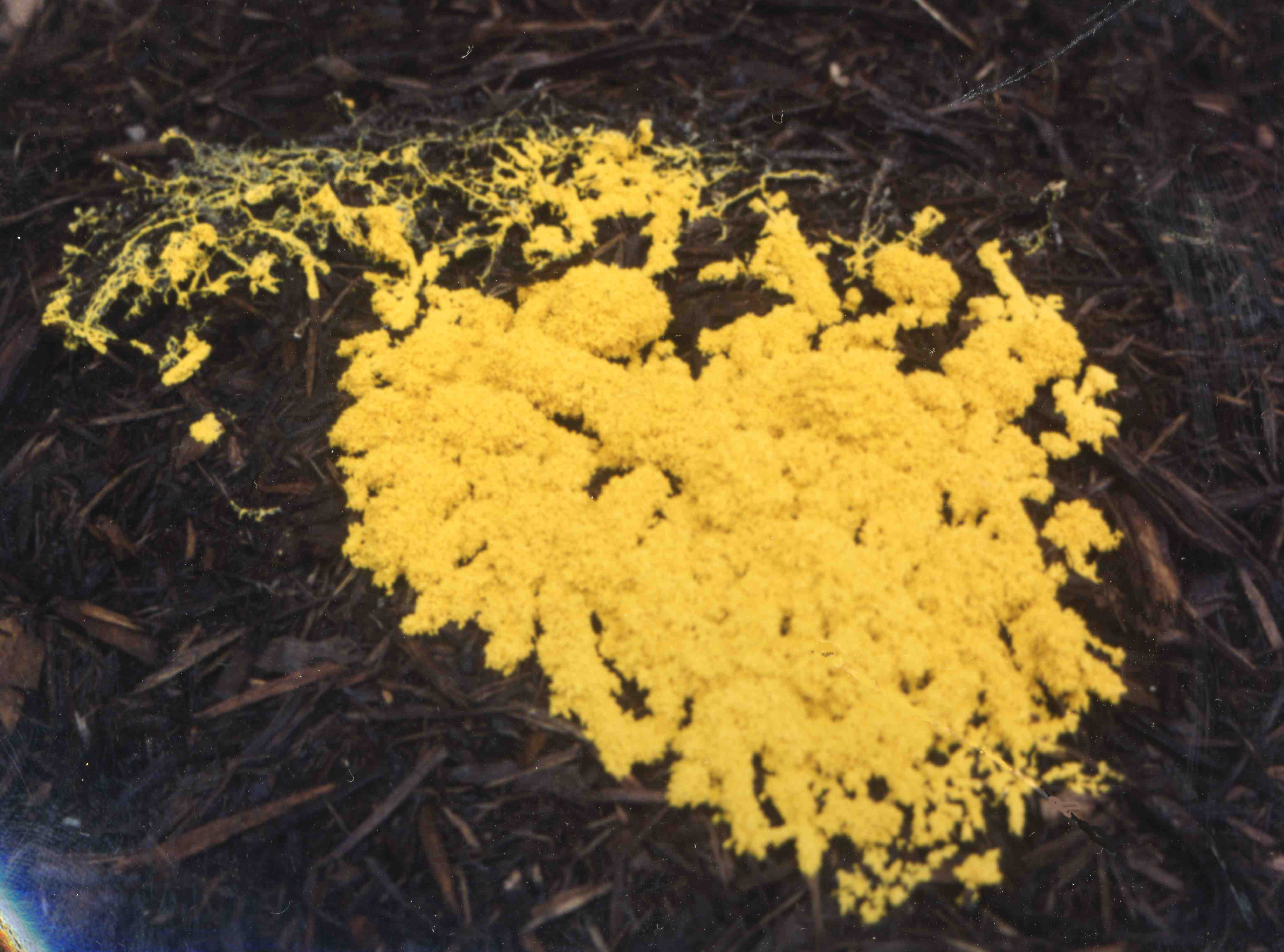
Researchers found that the slime mold Physarum polycephalum makes decisions by directing internal fluid flows to navigate and find food [1].
The discovery challenges traditional understandings of intelligence by demonstrating that complex problem-solving can occur without a brain or any neural architecture [1, 2].
Scientists at the French National Centre for Scientific Research (CNRS), including Audrey Dussutour, conducted the study in laboratory settings [1, 3]. The research shows that these single-celled organisms can solve mazes and locate food sources by manipulating the movement of fluids within their bodies [1, 2]. This mechanism allows the organism to exhibit behaviors that mimic cognitive functions, such as remembering where food was previously located [1, 2].
This ability to process information and adapt behavior is not a new observation in the field. The initial discovery that slime molds exhibit decision-making was reported 16 years ago [4]. However, the current research provides a mechanical explanation for how these processes occur in the absence of a nervous system [1, 2].
By studying the fluid dynamics of the mold, physicists and biologists aim to understand the fundamental principles of biological computation [1, 5]. The study suggests that the organism uses these internal flows as a way to sense its environment and optimize its path toward nutrients [1, 2]. This biological system operates as a decentralized network—effectively computing the most efficient route to a goal through physical changes in its structure [1, 3].
Such findings may inform broader studies on how other simple organisms thrive in uncertain environments [5]. The research highlights a form of adaptive behavior that relies on physical chemistry rather than electrical impulses in neurons [1, 2].
“Slime molds make decisions by directing internal fluid flows.”
This research suggests that 'intelligence' and decision-making are not exclusive to organisms with nervous systems. By identifying fluid dynamics as a mechanism for computation, scientists may uncover new ways to design decentralized artificial intelligence or bio-inspired networks that solve spatial problems without a central processor.


