Sloth bears in India's Aravalli range act as essential seed dispersers that influence the regeneration of dry deciduous forests [1, 2].
This discovery changes the understanding of forest ecology in Rajasthan, suggesting that the presence of these mammals is vital for maintaining plant diversity and forest health [1, 3].
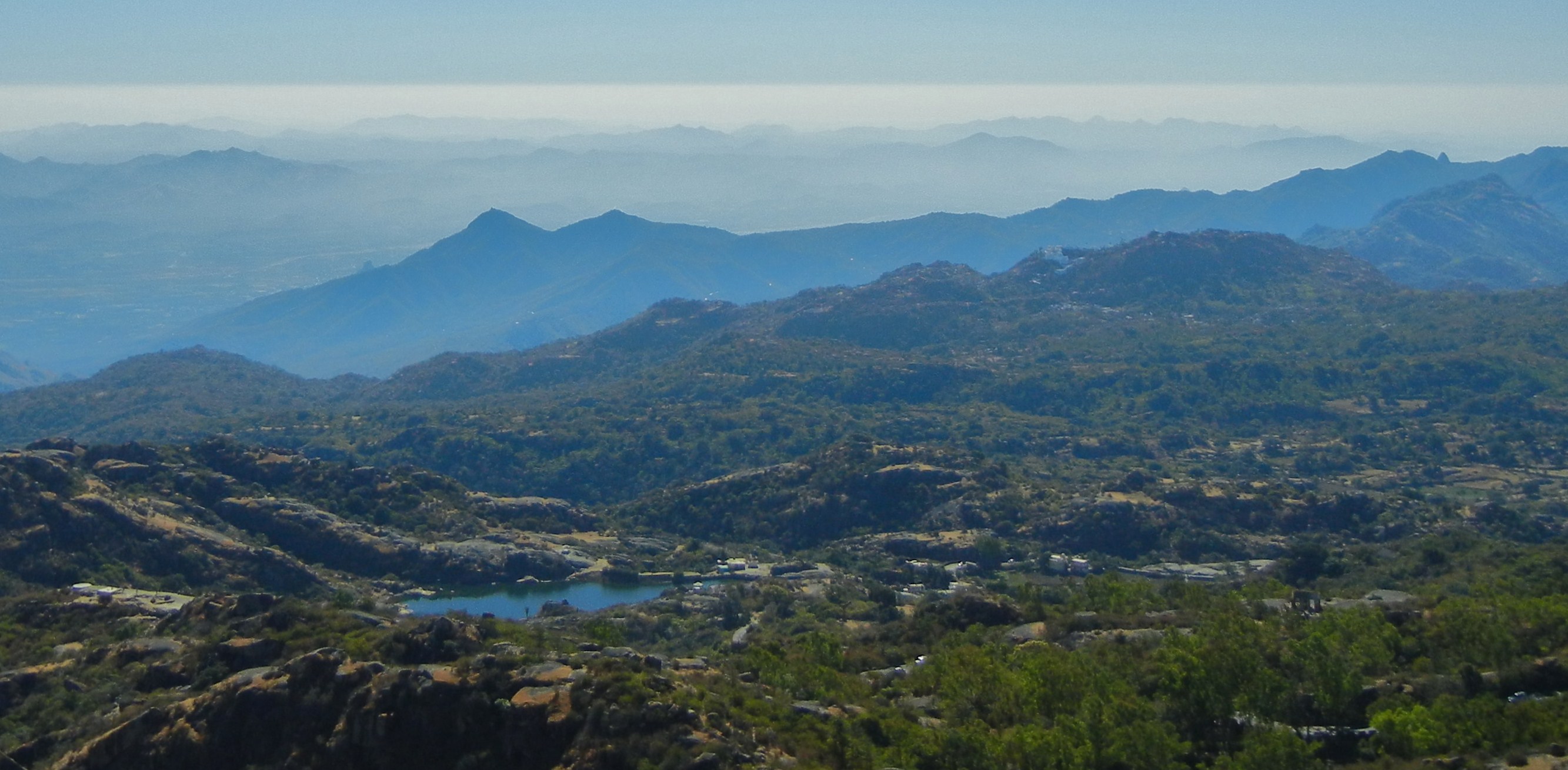
Researchers, including K.S. Gopi Sundar and Sneha Mahale, conducted the study in the dry deciduous forests of the Aravalli range [1, 2]. The research focused specifically on the Kumbhalgarh and Todgarh-Raoli wildlife sanctuaries [2, 3]. By consuming various fruits and moving across the landscape, the bears transport seeds away from their parent trees [1, 2].
This movement enhances the germination of plants and increases forest heterogeneity [1, 2]. When seeds are deposited far from the original tree, they are less likely to compete with the parent plant for resources, and more likely to establish new growth in diverse areas [1, 2].
“Dry deciduous forests’ plant compositions are a function of sloth bear presence, movement, and dietary habits,” Sundar said [1].
The findings were highlighted in reports this month and previously linked to news released on World Environment Day on June 5 [1, 2]. The study indicates that the sloth bear is not merely a fruit eater but a forest gardener that actively shapes the vegetation of the region [3].
Because these bears move frequently between different forest patches, they create a biological bridge for plant species to multiply [2]. This process ensures that the forest can regenerate even in the face of environmental pressures. The study emphasizes that the dietary habits of the sloth bear are inextricably linked to the survival of several plant species in the Aravalli range [1, 2].
““Dry deciduous forests’ plant compositions are a function of sloth bear presence, movement, and dietary habits,””
The identification of sloth bears as key seed dispersers elevates their conservation status from a single-species concern to a systemic necessity. If sloth bear populations decline, the natural regeneration of the Aravalli dry forests could slow or shift in composition, potentially reducing biodiversity and altering the ecosystem's resilience to climate stress.