Reducing or stopping smartphone use leads to measurable changes in brain activity and a decrease in self-reported anxiety, according to 2026 research.
These findings suggest that the brain can re-balance its neural networks when freed from constant digital stimulation. This shift may help individuals break dopamine-driven habit loops that characterize modern device dependency.
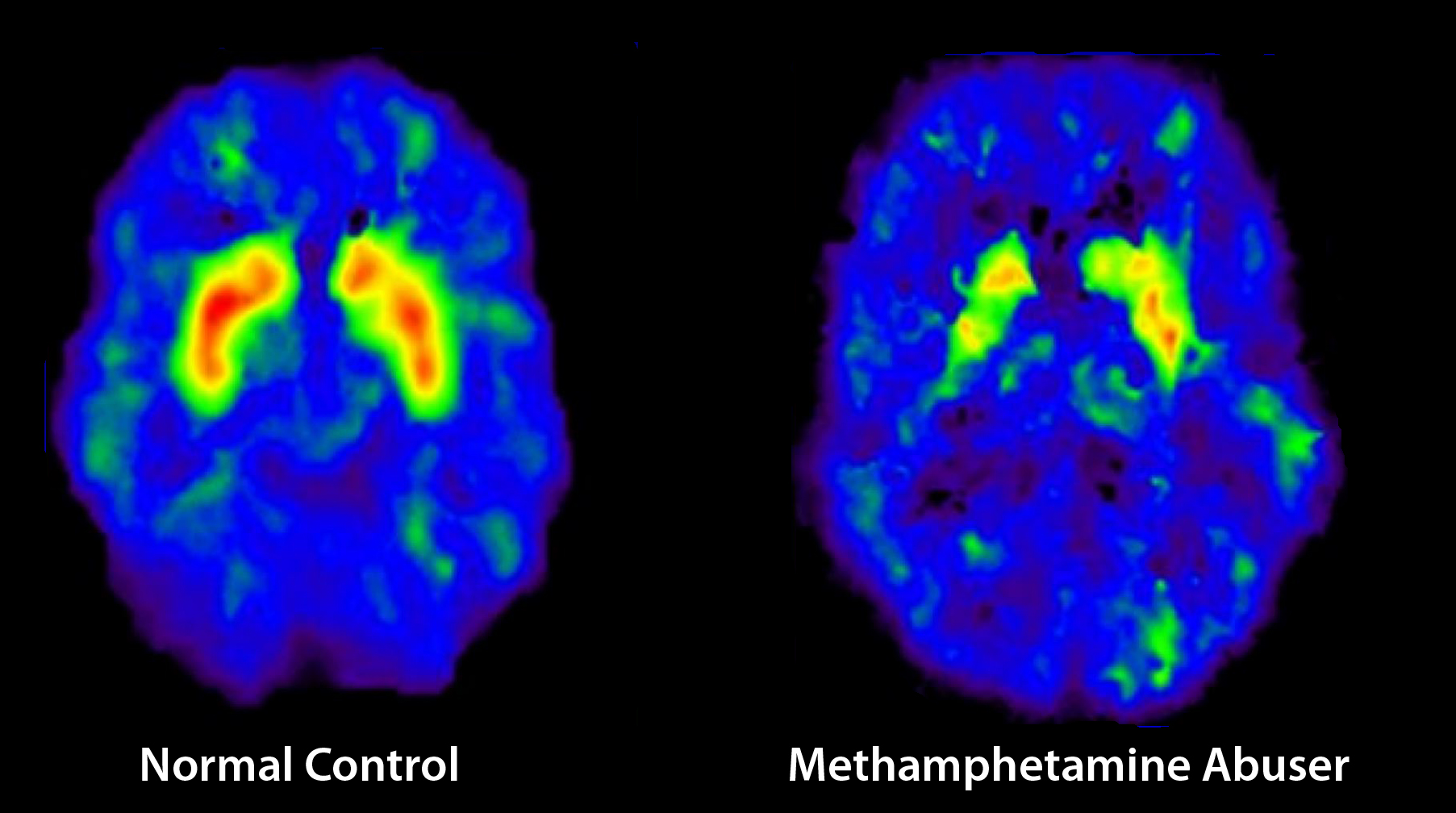
In experiments conducted in the U.S. and participants' homes, researchers observed a 15% decrease [2] in ventral-striatal activation after a phone-free period of three days. This area of the brain is closely linked to reward and habit formation.
"We observed a significant increase in connectivity between the prefrontal cortex and the default-mode network after just three days without a phone," said Dr. Emily Chen, the lead author of the study [2]. This connectivity is essential for cognitive control and internal reflection.
Longer periods of abstinence yielded further psychological benefits. Self-reported anxiety scores dropped by about 30% [3] after 90 days without a phone. Additionally, 30% of participants [4] reported feeling less stress following a 30-day break from social media.
However, the transition away from devices is not without physical manifestations. Some participants experienced a "phantom buzz" sensation, the feeling that a phone is vibrating when it is not present.
"The phantom buzz is a clear sign of our brain's habit loop kicking in when the device is absent," said neurologist Dr. Raj Patel [3].
While the benefits of a digital detox are evident, some experts suggest that complete avoidance may have trade-offs. Some data indicates that regular phone use can enhance specific multitasking and visual-attention skills, meaning total avoidance might diminish those particular abilities.
Despite these trade-offs, medical professionals suggest a shift in how users interact with their devices. "It really helps to treat social media as a tool rather than your default habit of choice," said Michael S. Valdez, MD, medical director at Detox California [4].
“Self-reported anxiety scores dropped by about 30% after 90 days without a phone.”
The data indicates that smartphone dependency creates a physical reliance on dopamine loops, which can be reversed through intentional abstinence. While short-term breaks can quickly reset neural connectivity, long-term reduction in use is required to significantly lower clinical markers of anxiety and stress.


