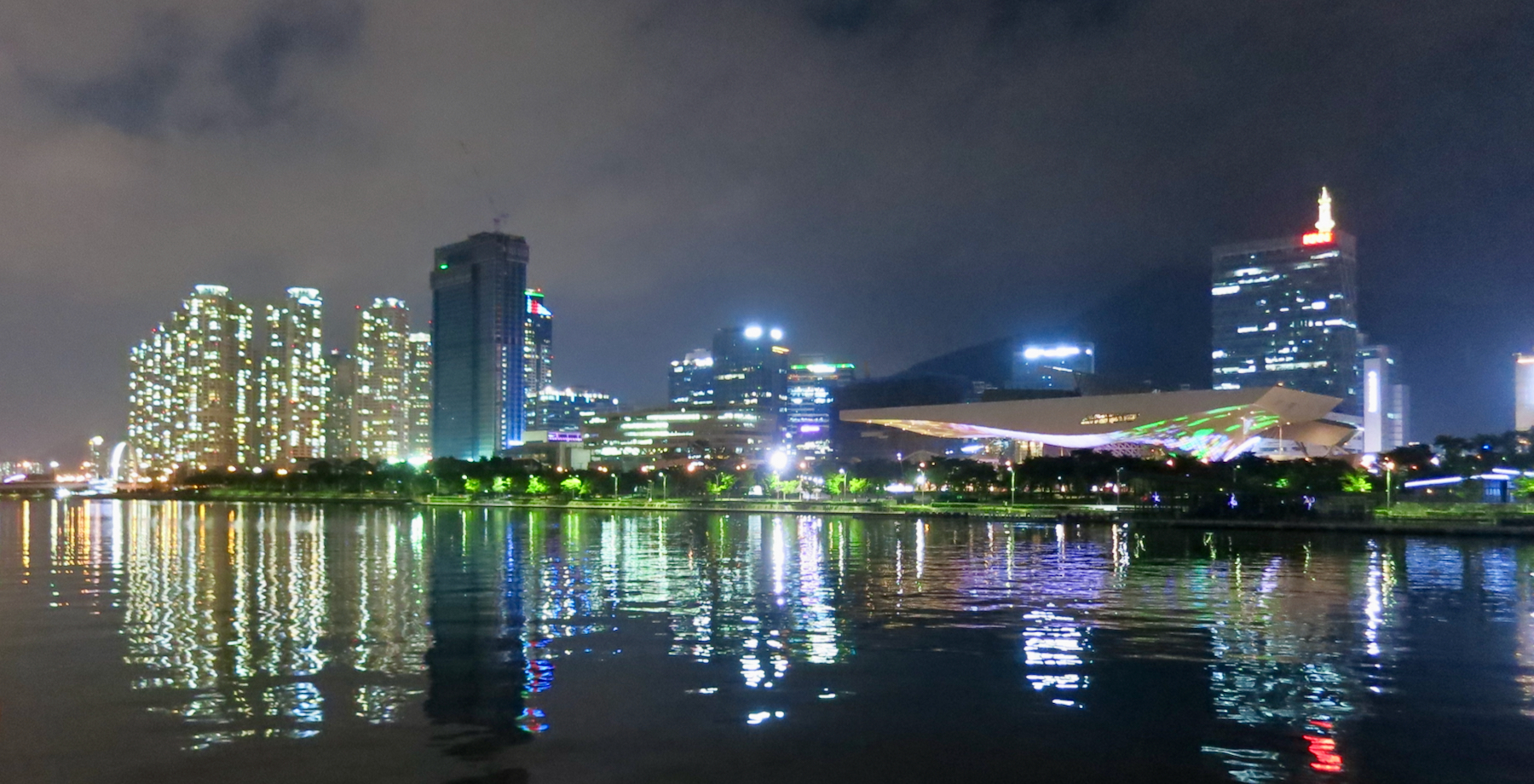
The South Korean Ministry of National Defense has lifted building-height restrictions in northern Sokcho, Gangwon Province, after 35 years [1].
This deregulation allows for taller construction and urban redevelopment in a region that has long been stifled by military constraints. The move is intended to revitalize the area, which has struggled with aging infrastructure and a shrinking population compared to other districts in the city.
The restrictions originally began in 1991 [2]. For over three decades, the military-imposed limits prevented the construction of high-rise buildings, leaving the northern districts trapped in a cycle of decay while central and southern Sokcho experienced significant growth.
Local leaders say the impact on the community has been severe. Han Young-hwan, chair of the Sokcho North Development Committee, said the central and southern regions developed immensely while the north remained a declining village where residents could not even attempt to improve their surroundings.
The need for redevelopment is underscored by the age of the local housing stock. Most houses in the northern area were built in the 1970s and are now over 50 years old [5]. This deterioration of living conditions has contributed to a sharp demographic shift.
While the total population of Sokcho city fell four percent over the past 10 years [3], the decline in the Jangsa-Yeongrang-dong area was far more drastic. The population in those specific northern districts declined 20 percent over the same period [4].
Community leaders and residents have spent years demanding deregulation to achieve balanced regional development. With the height limits removed, the area near Yeongrang Lake is now positioned for a transition from low-rise, aging housing to modern residential, and commercial developments.
“The population in Jangsa-Yeongrang-dong declined 20% over the past 10 years.”
The removal of these military restrictions signals a shift in priority from strict security-based zoning to economic survival for border-adjacent communities. By allowing vertical growth, the government aims to stem the 20% population loss in northern Sokcho through modernized housing and increased investment, attempting to close the development gap between the city's neglected north and its thriving center.


