
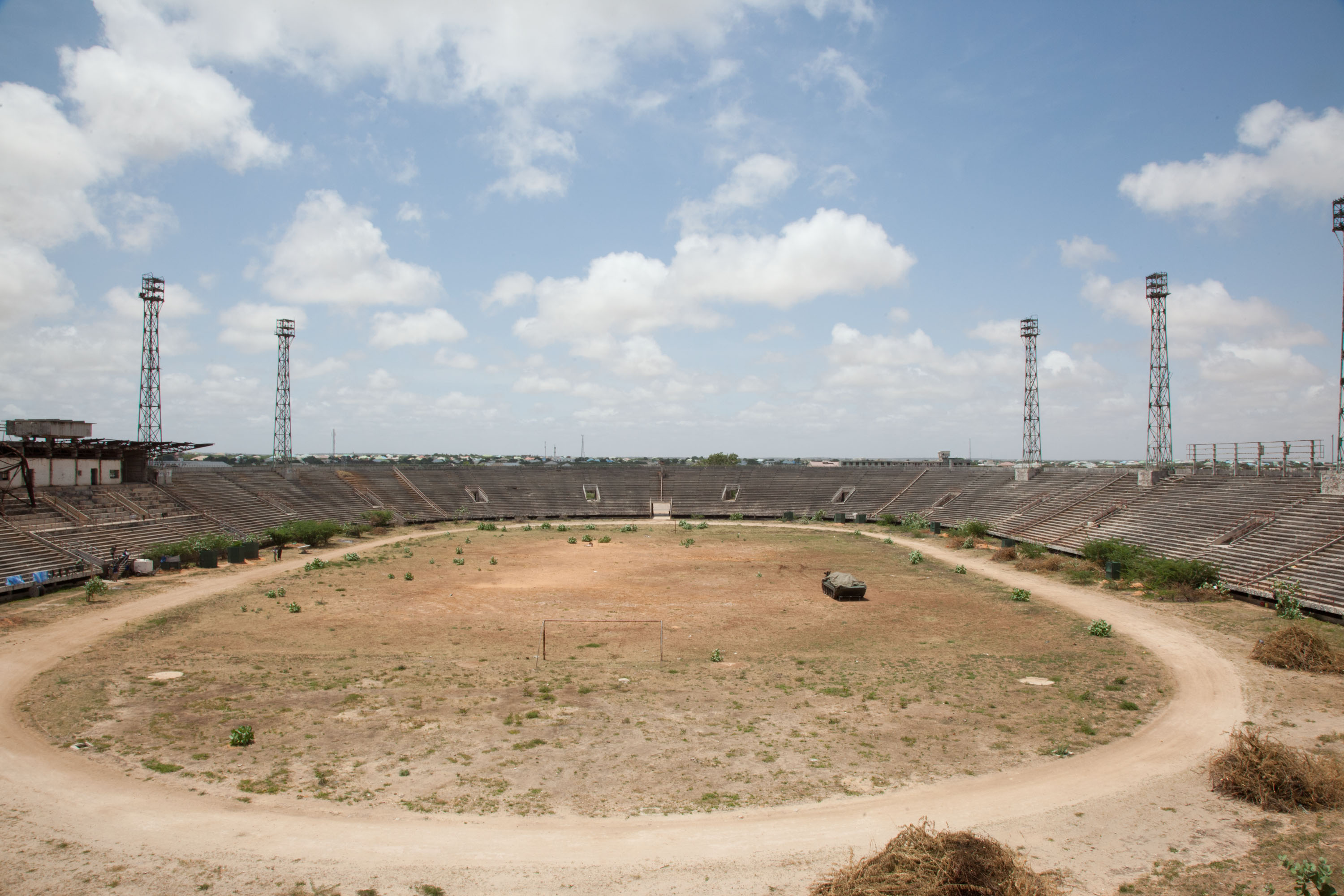
Somali soccer referee Omar Abdulkadir Artan received a hero's welcome at the Mogadishu stadium after being denied entry to the U.S. [1].
The incident highlights the intersection of international sports and strict border policies, turning a professional disappointment into a moment of national pride for Somalia. While the denial prevented Artan from officiating at the World Cup [2], the response in his home country suggests a broader symbolic victory.
Crowds gathered at the Mogadishu stadium to greet Artan upon his return [1]. Witnesses said the scene was a celebration, with supporters waving the Somali flag to honor the official [1]. The atmosphere at the stadium reflected a collective support for Artan despite the outcome of his travel attempts.
Artan had traveled to the U.S. to participate in the World Cup, but he was turned away at the border [3]. The specific reasons for the entry denial were not detailed in the available reports, but the result effectively ended his participation in the tournament [4].
The return to Mogadishu served as a public demonstration of solidarity. The gathering at the stadium transformed a personal setback into a communal event, emphasizing the referee's status as a representative of the nation on the global stage [1].
“Omar Abdulkadir Artan received a hero's welcome at the Mogadishu stadium”
This event underscores the volatility of travel authorizations for officials from nations with complex diplomatic relations with the U.S. While the World Cup is intended as a global unifying event, the enforcement of national security and immigration laws can override athletic merit, creating diplomatic friction and turning individual athletes or officials into political symbols of exclusion.


