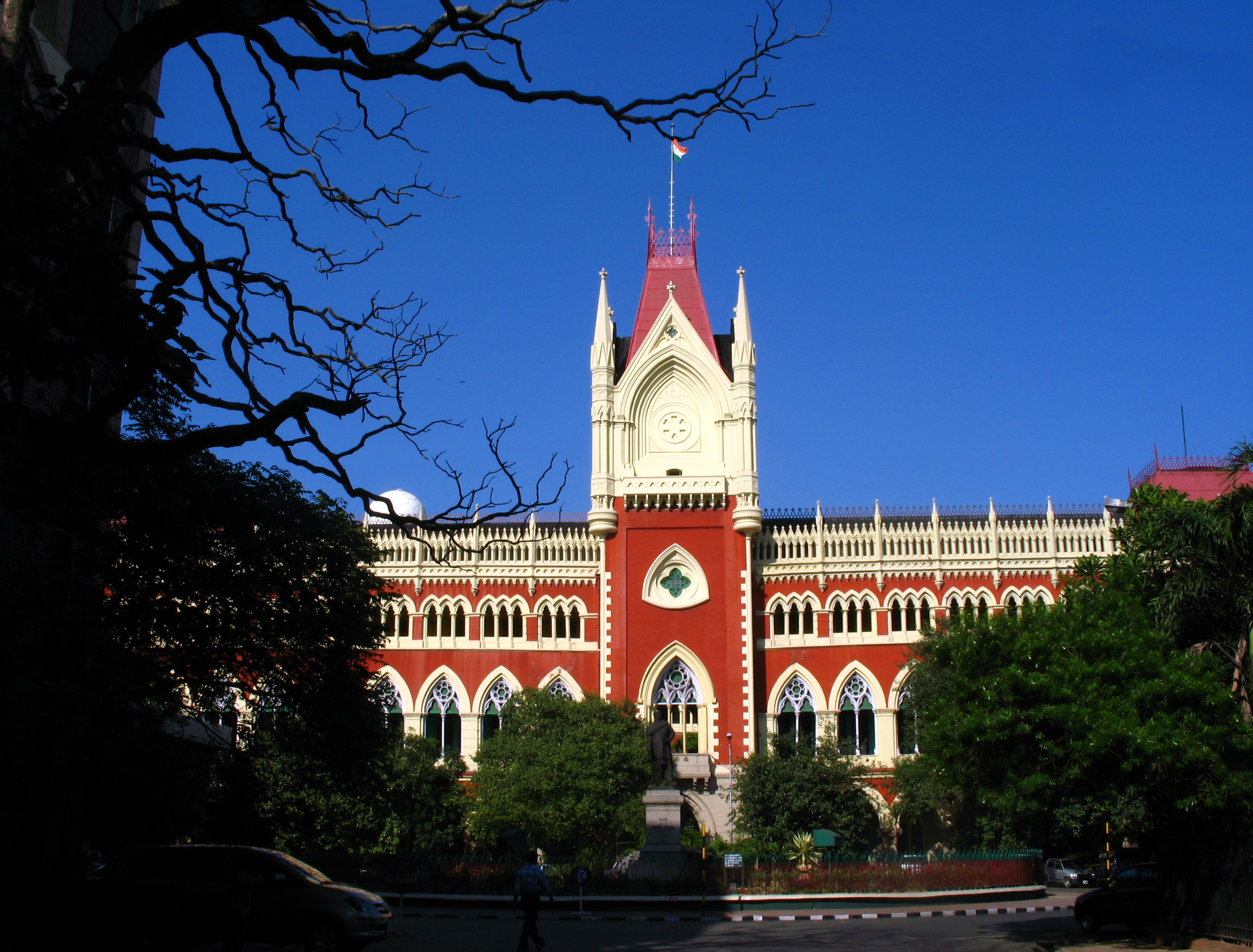
A Delhi High Court ordered authorities to monitor the health of activist Sonam Wangchuk and intervene if his condition worsens during a hunger strike.
The court's directive comes as Wangchuk seeks the resignation of the Indian education minister over alleged irregularities in the NEET medical entrance exam. The case highlights the tension between the right to protest and the state's obligation to preserve life during indefinite fasts.
Wangchuk is protesting at Jantar Mantar in central Delhi [1]. Reports on the exact duration of his fast vary, with some stating he has entered his 18th day [2], while others indicate he is on his 19th day [1].
The court directed authorities to conduct daily medical monitoring to ensure the activist's safety. The ruling specifies that every effort must be made to save his life [3]. This mandate includes the possibility of force-feeding if doctors determine his health has reached a critical stage [1].
"Every effort must be made to save his life," the Delhi High Court said [3].
Government representatives indicated they would comply with the court's medical requirements. A government spokesperson said, "We will intervene as required based on doctor advice" [4].
The activist's demands center on systemic education reforms, and accountability for the medical entrance exam process. The court's order to monitor his health and intervene if his condition worsens aims to prevent a fatal outcome while the legal and political dispute continues [1].
“"Every effort must be made to save his life."”
The court's intervention establishes a legal precedent for the state's role in managing high-profile hunger strikes in India. By prioritizing the preservation of life over the autonomy of the protestor, the judiciary is attempting to mitigate the risk of a political crisis that would follow the death of a prominent activist while the government remains deadlocked with the protestors.


