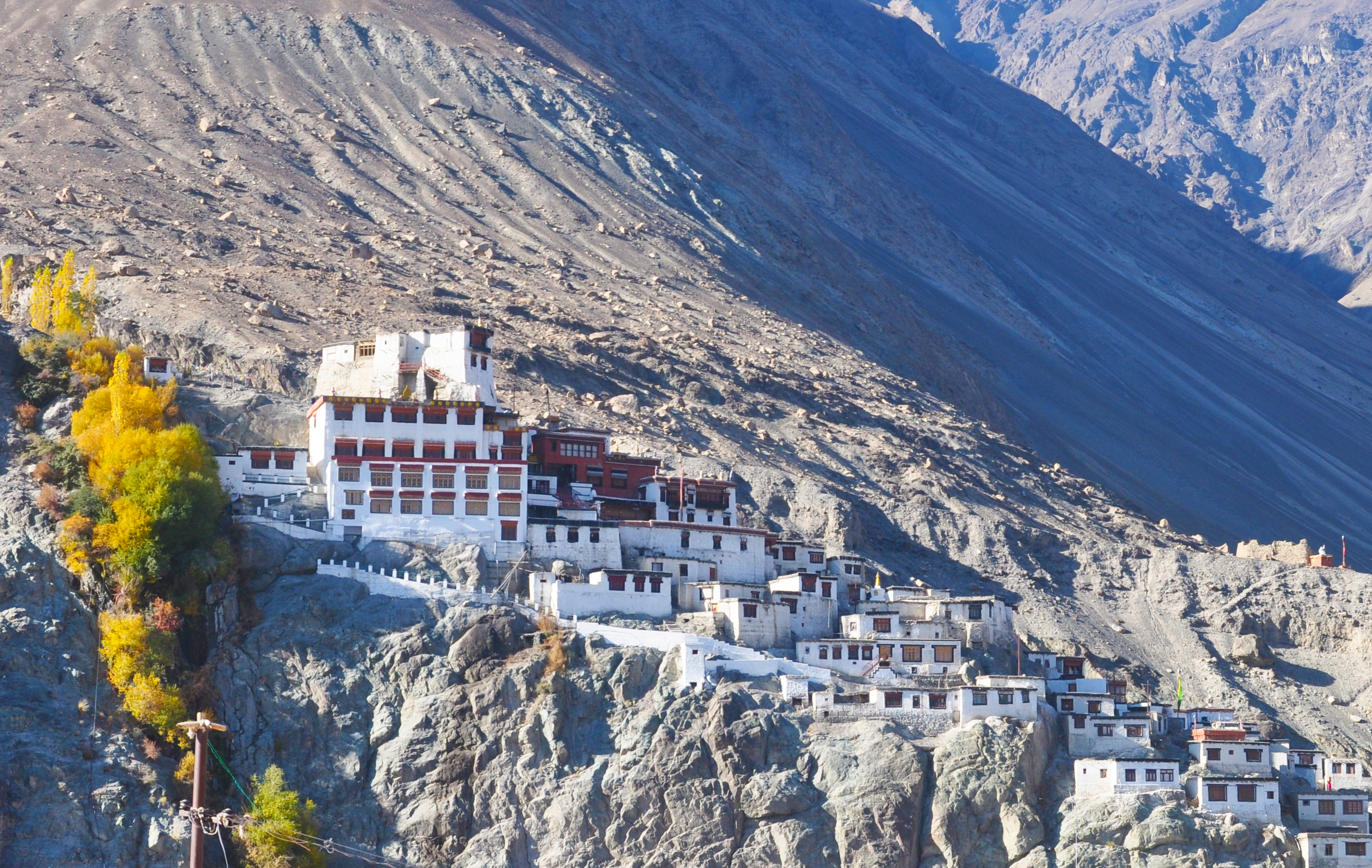
Environmental activist Sonam Wangchuk has returned to his home village in Ladakh after completing a 20-day hunger strike [1].
Wangchuk's return marks a critical juncture in his campaign for the region. His protest seeks to force the Indian government to implement specific commitments regarding environmental protections and education in northern India.
Wangchuk said he is still waiting for the government to fulfill the promises it made in response to his campaign [2]. The activist has spent the last several weeks pressing officials to honor these agreements to ensure the long-term stability of the region's ecosystem, and social services [2].
The physical toll of the protest was significant. During the 20-day strike [1], Wangchuk lost over nine kg [1]. Despite the physical strain, he said he has not forgotten his causes and continues to advocate for the people of Ladakh [2].
His movement focuses on the unique challenges facing the high-altitude region, where climate change and administrative gaps threaten local livelihoods. Wangchuk has used his platform to highlight the need for constitutional safeguards, and sustainable development practices that protect the fragile Himalayan environment [2].
While the hunger strike has concluded, the activist remains focused on the remaining promises. He said he hopes the government will act on the outstanding commitments to prevent further unrest in the region [2].
“Sonam Wangchuk has returned to his home village in Ladakh after completing a 20-day hunger strike.”
Wangchuk's return to his village suggests a transition from active protest to a monitoring phase. By emphasizing the government's unfulfilled promises, he maintains public pressure and keeps the regional issues of education and ecology in the national spotlight, signaling that the end of the hunger strike is not a concession but a pause in a longer political struggle.


'%2F%3E%0A%20%20%20%20%3Crect%20width%3D'1600'%20height%3D'900'%20fill%3D'url(%23v)'%2F%3E%0A%20%20%20%20%3Cg%20opacity%3D'0.08'%20fill%3D'%23ffffff'%3E%0A%20%20%20%20%20%20%3Ccircle%20cx%3D'1420'%20cy%3D'180'%20r%3D'220'%2F%3E%0A%20%20%20%20%20%20%3Ccircle%20cx%3D'1500'%20cy%3D'760'%20r%3D'120'%2F%3E%0A%20%20%20%20%3C%2Fg%3E%0A%20%20%20%20%3Cline%20x1%3D'80'%20y1%3D'172'%20x2%3D'220'%20y2%3D'172'%20stroke%3D'%23ffffff'%20stroke-width%3D'3'%20stroke-opacity%3D'0.6'%2F%3E%0A%20%20%20%20%3Ctext%20x%3D'80'%20y%3D'140'%20font-family%3D'Inter%2C%20-apple-system%2C%20Helvetica%2C%20sans-serif'%20font-weight%3D'700'%20font-size%3D'28'%20fill%3D'%23ffffff'%20letter-spacing%3D'6'%3EHANNA%20%C2%B7%20NEWS%3C%2Ftext%3E%0A%20%20%20%20%3Ctext%20x%3D'80'%20y%3D'230'%20font-family%3D'Inter%2C%20-apple-system%2C%20Helvetica%2C%20sans-serif'%20font-weight%3D'600'%20font-size%3D'40'%20fill%3D'%23ffffffb3'%20letter-spacing%3D'4'%3EWORLD%3C%2Ftext%3E%0A%20%20%20%20%3Ctext%20x%3D'80'%20y%3D'622'%20font-family%3D'Playfair%20Display%2C%20Georgia%2C%20serif'%20font-weight%3D'800'%20font-size%3D'86'%20fill%3D'%23ffffff'%20letter-spacing%3D'-1'%3EAJK%20Holds%20Second-Phase%3C%2Ftext%3E%3Ctext%20x%3D'80'%20y%3D'721'%20font-family%3D'Playfair%20Display%2C%20Georgia%2C%20serif'%20font-weight%3D'800'%20font-size%3D'86'%20fill%3D'%23ffffff'%20letter-spacing%3D'-1'%3EElections%20Including%20Refugee%3C%2Ftext%3E%3Ctext%20x%3D'80'%20y%3D'820'%20font-family%3D'Playfair%20Display%2C%20Georgia%2C%20serif'%20font-weight%3D'800'%20font-size%3D'86'%20fill%3D'%23ffffff'%20letter-spacing%3D'-1'%3ESeats%3C%2Ftext%3E%0A%20%20%20%20%3Ctext%20x%3D'80'%20y%3D'870'%20font-family%3D'Inter%2C%20-apple-system%2C%20Helvetica%2C%20sans-serif'%20font-weight%3D'500'%20font-size%3D'22'%20fill%3D'%23ffffff66'%20letter-spacing%3D'2'%3Enews.hanna-ai.com%3C%2Ftext%3E%0A%20%20%3C%2Fsvg%3E)