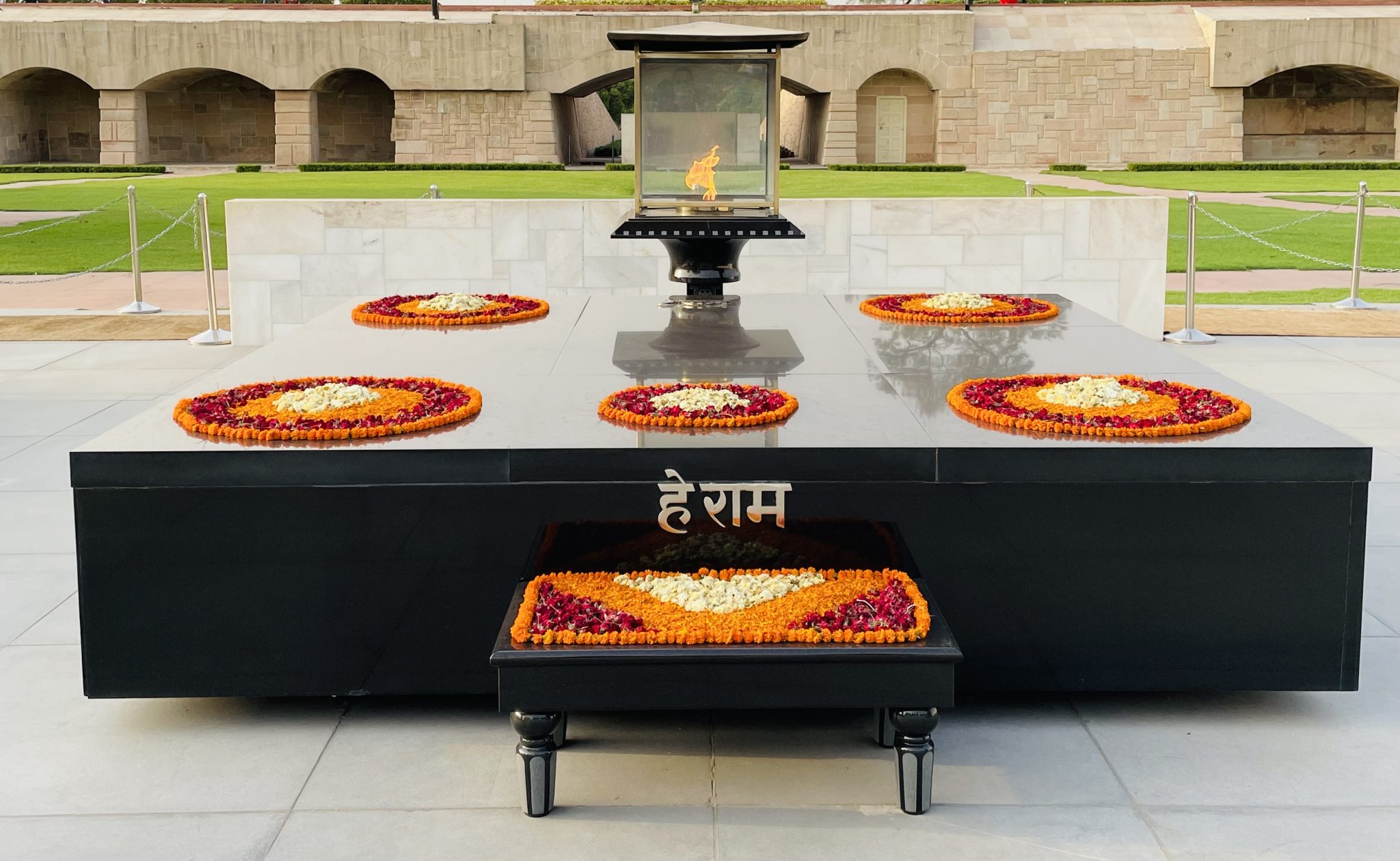
Climate activist and scientist Sonam Wangchuk visited Rajghat in New Delhi on Monday to pay tribute to Mahatma Gandhi [3].
The visit follows Wangchuk's release from Medanta Hospital, marking a transition from a period of intense physical protest to a symbolic reaffirmation of non-violent resistance. His actions draw a direct line between modern climate activism and the historical legacy of Gandhi's peaceful protests.
Wangchuk was discharged from the hospital after receiving almost a week of medical care [2]. This hospitalization occurred following a hunger strike that lasted 26 days [1]. Despite the physical toll of the fast, Wangchuk used his first public appearance after discharge to honor the memorial of the Mahatma.
During his time at Rajghat, Wangchuk addressed the media and commended the efforts of young protesters. He said he felt a sense of optimism regarding the future of these movements, stating that "it does not end in darkness" [3].
Wangchuk's presence at the memorial served as a bridge between his scientific background and his role as a public advocate for environmental issues. He intends to return to the mountains following the conclusion of his visit to the capital [2].
While some reports mentioned the presence of his wife, Gitanjali, during the media address, other accounts of the event did not confirm her attendance. Wangchuk focused his remarks on the resilience of the youth, and the enduring nature of peaceful struggle.
“"It does not end in darkness"”
Wangchuk's visit to Rajghat is a strategic symbolic gesture that aligns his climate advocacy with the globally recognized tradition of Satyagraha. By linking his 26-day hunger strike to Gandhi's legacy, he frames the current environmental crisis not just as a scientific or political failure, but as a moral struggle requiring the same non-violent persistence used during India's independence movement.


