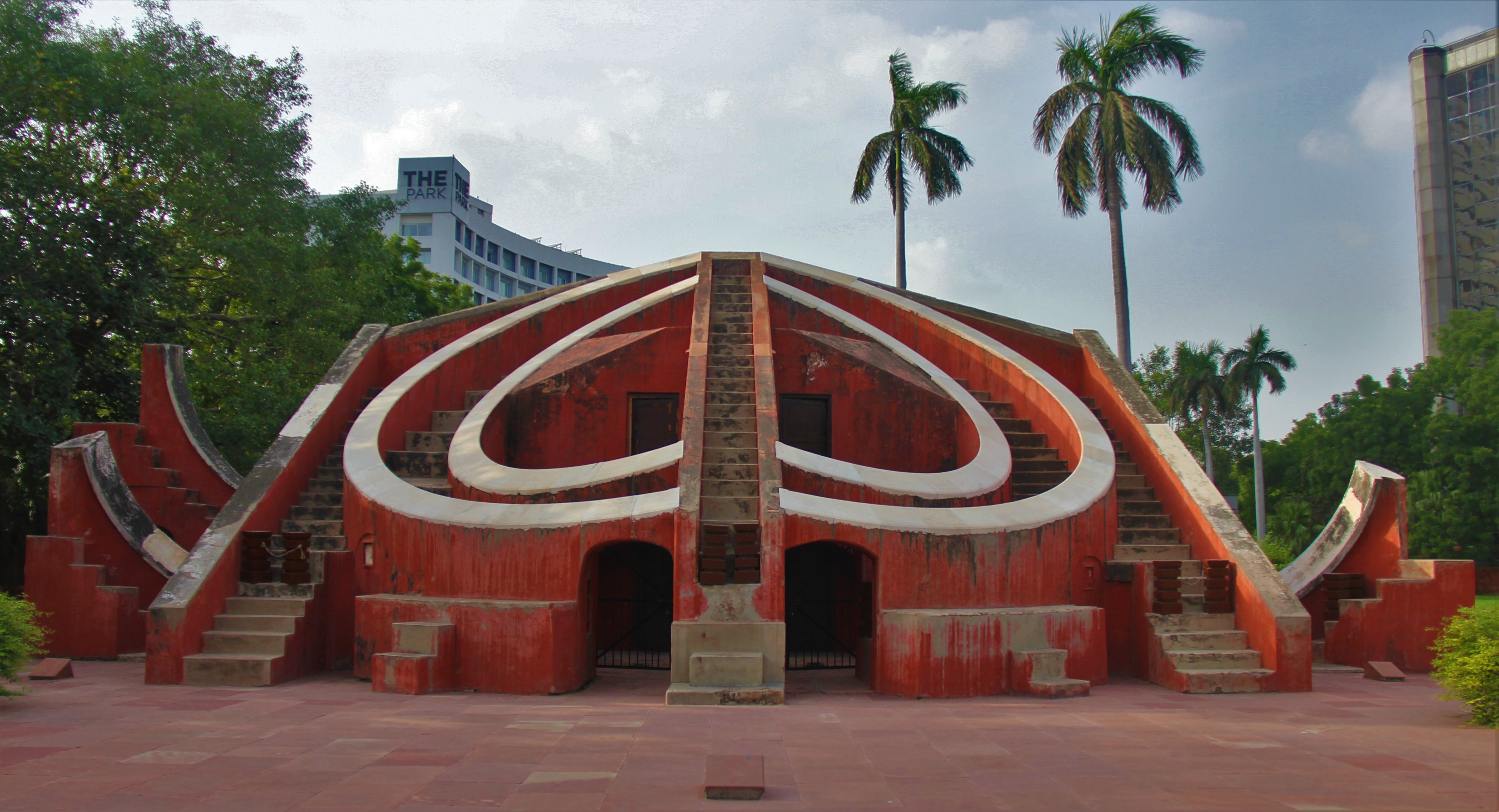
Climate activist Sonam Wangchuk was removed from the Jantar Mantar protest site and admitted to Safdarjung Hospital on Saturday [1].
The incident has sparked a political confrontation between the Aam Aadmi Party and the central government over the rights of peaceful protesters in the capital. It highlights the tension between state security measures and the visibility of climate and educational grievances.
Wangchuk was taken into custody and transported to the hospital after reaching day 21 of his hunger strike [3]. Officials said the removal was necessary for health reasons due to the activist's deteriorating condition following the prolonged fast [2].
Arvind Kejriwal, chief of the Aam Aadmi Party, criticized the action. Kejriwal said the removal was an act of arrogance by the Centre and an attempt to suppress a peaceful protest [1]. He said the government ignored concerns regarding student education [1].
The removal occurred at Jantar Mantar, a traditional site for public demonstrations in New Delhi [2]. Following his removal, Wangchuk was moved to Safdarjung Hospital for medical treatment [2].
Opposition leaders have condemned the move, framing it as a crackdown on dissent. The central government said the priority was the physical well-being of the activist given the duration of his fast [2].
“Sonam Wangchuk was removed from the Jantar Mantar protest site and admitted to Safdarjung Hospital”
The clash over Sonam Wangchuk's removal reflects a broader struggle in India between the state's mandate to maintain public order and the constitutional right to protest. By framing the hospital admission as a political suppression tactic, the opposition is attempting to link climate activism and educational rights to a larger narrative of government overreach.


