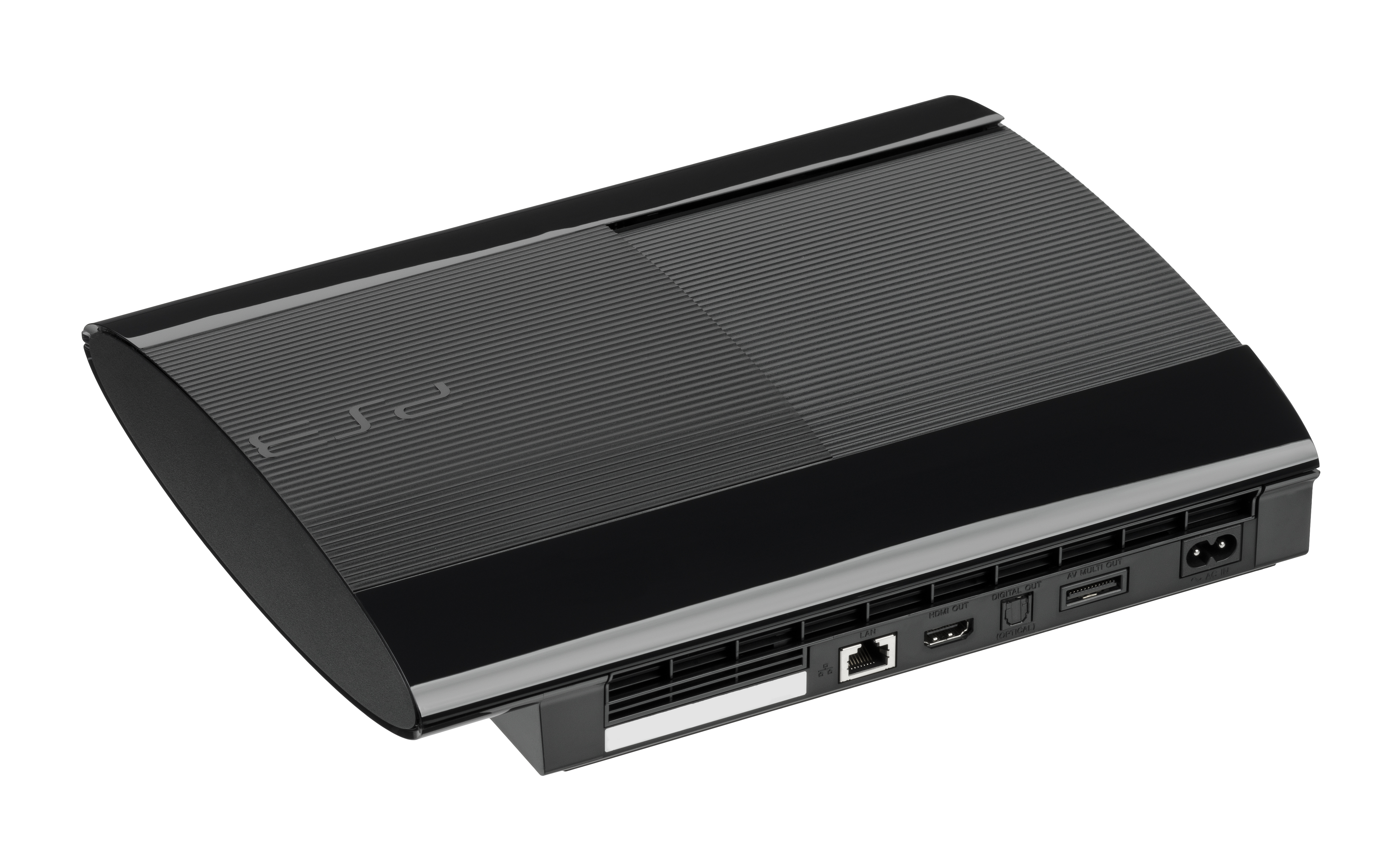
Sony is ending the production of physical game discs for the PlayStation ecosystem starting in January 2026 [1].
This shift represents a fundamental change in how consumers own and access software. For decades, physical media allowed players to trade, resell, and archive their libraries independently of a central server or storefront.
The transition is part of a broader industry trend led by Sony and Microsoft to prioritize digital distribution. This move focuses on consumer convenience and the efficiency of digital storefronts, reducing the overhead associated with manufacturing and shipping plastic discs [2].
Industry analysts said that the decline of physical media is an ongoing process. The move toward digital-only consoles has gradually eroded the market for physical retail, making the disc-based model less viable for publishers [2].
While some consumers favor the convenience of instant downloads, others express concern over the loss of ownership. Digital licenses are often tied to specific accounts and can be revoked, unlike a physical disc that remains in the user's possession regardless of the publisher's status.
Sony's decision to cease disc releases from January 2026 onwards [1] signals a definitive end to the era of physical media for the PlayStation brand. This move aligns the company with a global trend toward subscription services and cloud-based gaming, where software is accessed as a service rather than a product.
“Sony is ending the production of physical game discs for the PlayStation ecosystem starting in January 2026.”
The end of physical discs marks the transition from an ownership model to a licensing model in gaming. By removing physical media, Sony gains more control over the secondary resale market and ensures a direct revenue stream through its own digital store. For consumers, this means the disappearance of physical game collecting and a total reliance on internet connectivity and corporate account stability to access their purchased libraries.