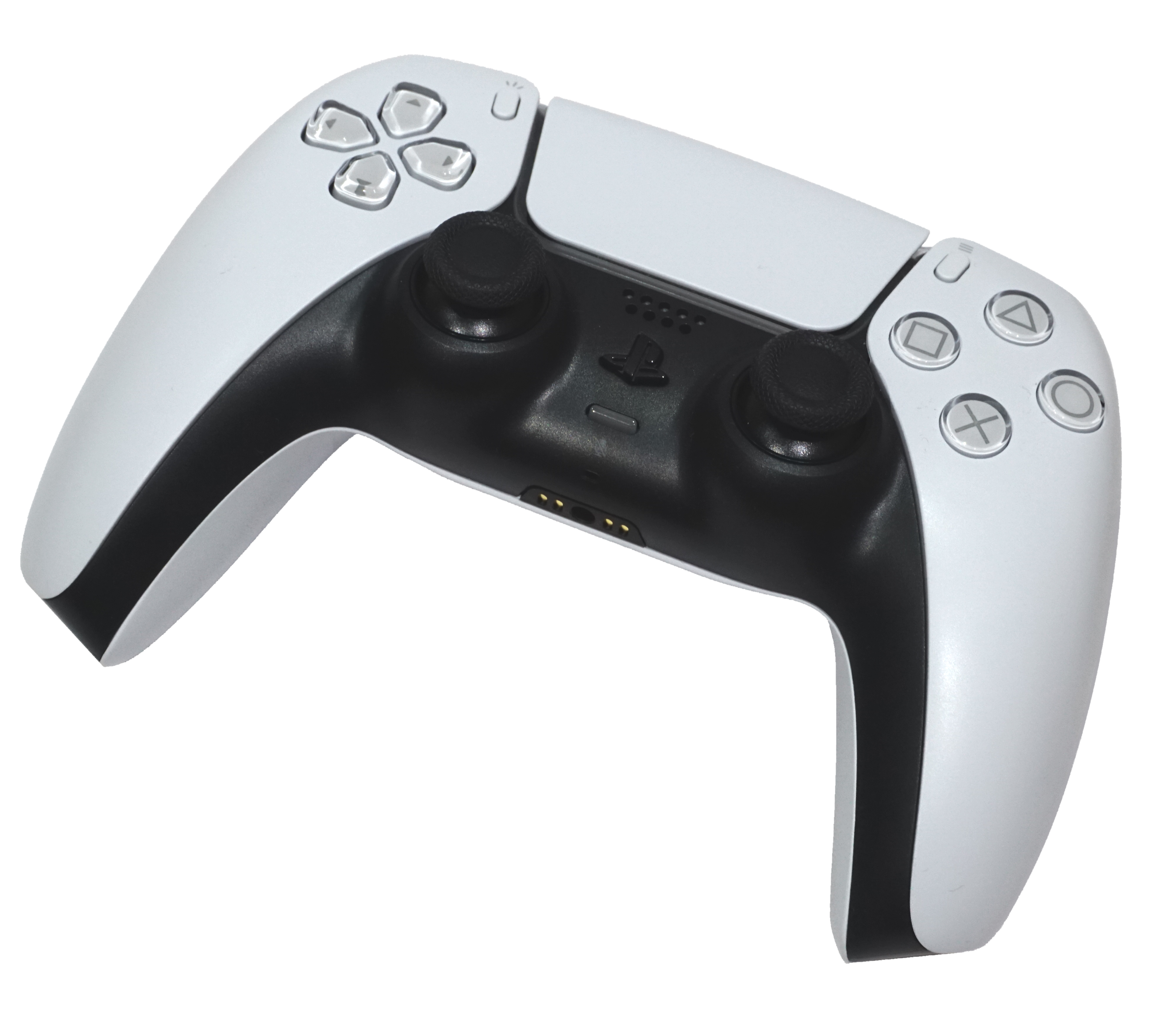
Sony Interactive Entertainment will phase out physical game discs for PlayStation consoles globally, moving to a digital-only model [1, 2].
This transition marks a fundamental shift in how consumers access and own software. The move eliminates the physical secondary market for used games and alters the hardware requirements for future console generations.
The phase-out is scheduled to begin in January 2028 [3, 4]. Sony announced the plan in July 2026 [5], citing a need to align with consumer demand for digital distribution and a desire to lower manufacturing and logistics costs [1, 3].
"We are moving toward a fully digital future for PlayStation, and will begin phasing out physical discs in early 2028," a Sony spokesperson said [1].
Industry analysts suggest the timing of this decision provides insight into the company's long-term hardware roadmap. Mark Wilson, an analyst, said the decision signals that Sony believes the market has largely shifted to digital purchases, which allows the company to cut production costs [3].
While major outlets report the transition, some industry sources have disputed the reports. A senior editor at PlayStation Lifestyle said that rumors regarding the discontinuation of physical discs were unfounded [6]. However, current reporting from Deadline and IGN indicates the company is proceeding with the January 2028 timeline [1, 3].
The shift comes as other industry players explore similar transitions. Reports indicate that Xbox is testing a feature to digitize physical game collections as Sony prepares to exit the disc market [2].
“"We are moving toward a fully digital future for PlayStation,"”
The move to a digital-only ecosystem grants Sony greater control over its software distribution and increases profit margins by removing third-party retailers, and physical production costs. For consumers, this signifies the end of disc-based ownership and the ability to trade or sell physical copies, further cementing the industry's shift toward a service-based licensing model rather than a product-ownership model.