Bakri Al-Jak, spokesperson for the Civil Alliance of Forces of the Revolution "Soudam," said the Muslim Brotherhood aims to fragment Sudan [1].
These accusations highlight the deep ideological divisions within the Sudanese opposition as they seek a way to end the ongoing conflict. The struggle between secular-leaning revolutionary forces and Islamist factions remains a central tension in the quest for a stable government.
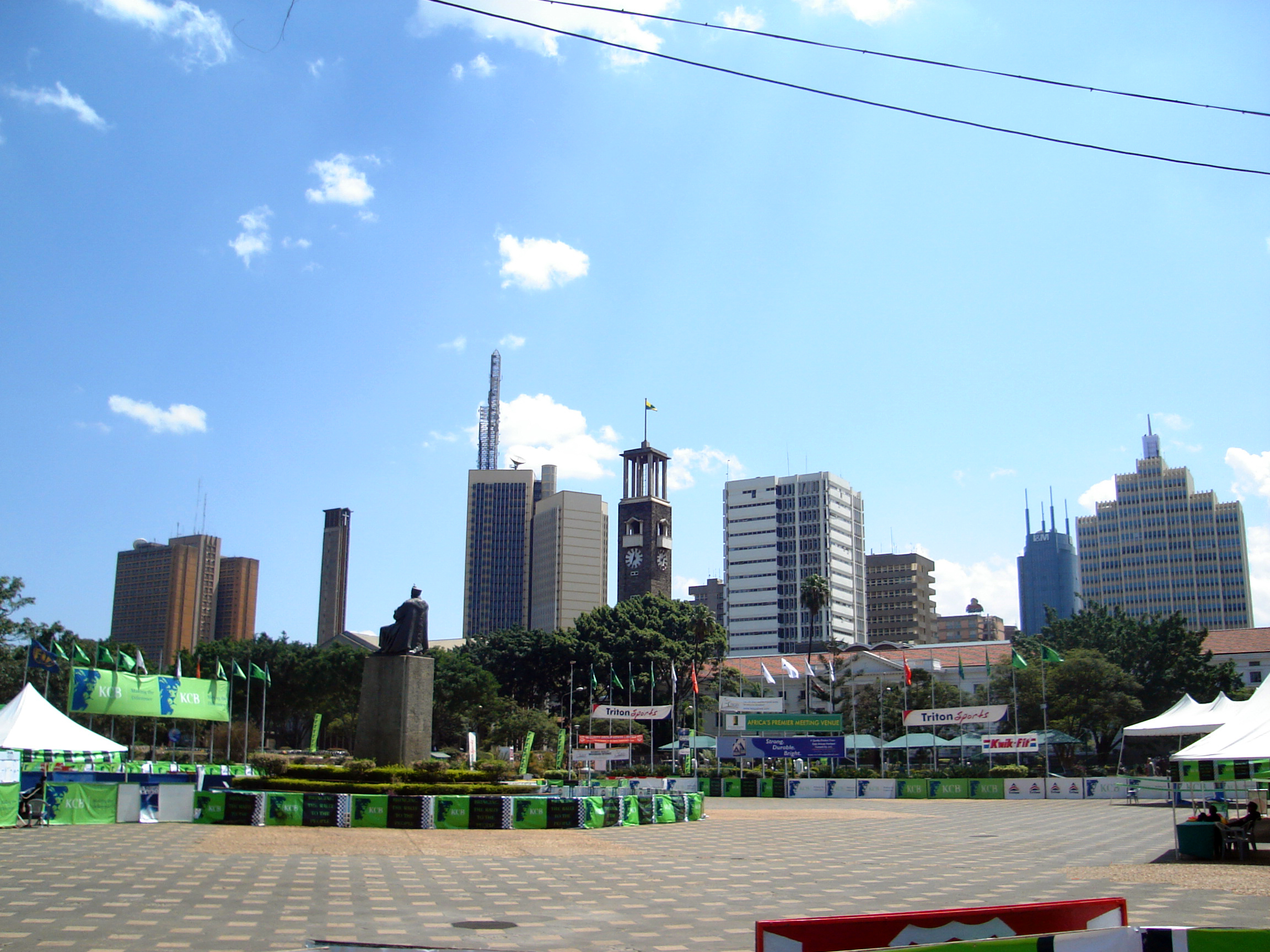
Al-Jak said the recent meeting of Sudanese opposition forces in Nairobi, Kenya, served as a decisive step toward a comprehensive political solution [1, 2]. He said the gathering in June 2024 was a necessary precursor to breaking the cycle of violence that triggered the war [2].
Al-Jak said military force is not a viable path for the nation's future. "The gun cannot be Sudan’s project," he said [1, 2].
The Soudam alliance is pushing for a negotiated settlement to prevent the implementation of plans that would divide the country [1, 2]. Al-Jak said the Nairobi meeting represents a way to break the "evil circle" that led to the outbreak of the current war [2].
The alliance continues to advocate for a political framework that excludes the influence of the Muslim Brotherhood, arguing that such an influence poses a direct threat to the territorial integrity of the state [1, 2].
“The gun cannot be Sudan’s project”
The tension between the Soudam alliance and the Muslim Brotherhood reflects a broader struggle for the soul of Sudan's future governance. By framing the Islamist project as a threat to national unity, the opposition is attempting to consolidate a secular political front that can negotiate from a position of unity, signaling that any lasting peace must involve the complete removal of the previous regime's ideological remnants.