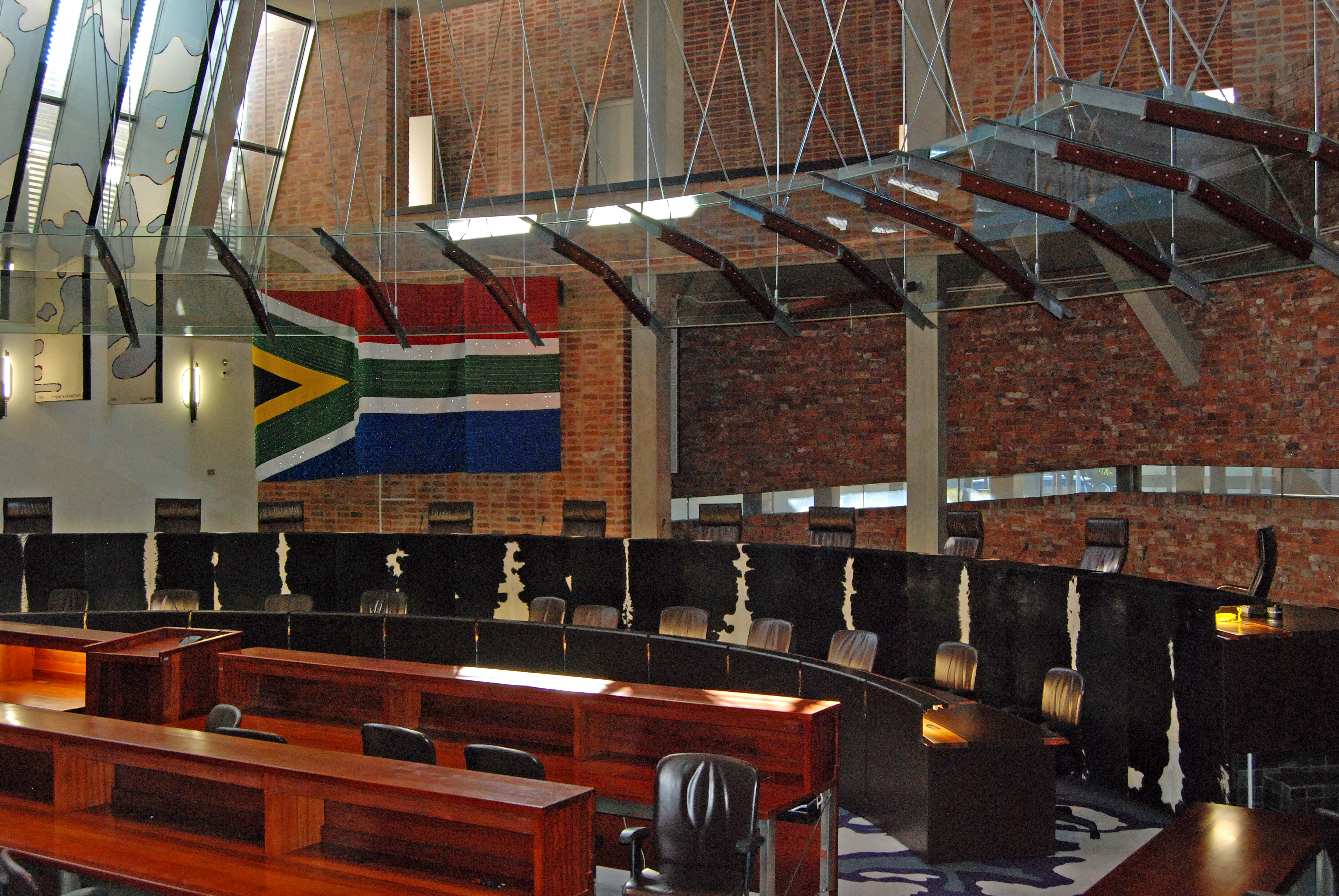
South Africa's Constitutional Court ruled Friday that a parliamentary vote blocking the impeachment of President Cyril Ramaphosa was unconstitutional [1].
This ruling removes a significant legal shield for the president, effectively reviving a process that could lead to his removal from office. The decision centers on the Phala Phala scandal, a long-running controversy involving undisclosed foreign currency found at the president's home.
The court found that Parliament acted inconsistently with the Constitution when it blocked the impeachment process [3]. This legal failure rendered the previous parliamentary action void, according to the judgment delivered in Johannesburg [1].
The parliamentary vote that originally halted the impeachment proceedings took place in December 2022 [2]. That vote had previously protected Ramaphosa from further legislative action regarding the scandal. However, the court determined that the mechanism used to stop the process did not align with constitutional requirements [3].
The judgment on May 8, 2026, arrived after a lengthy legal battle [1]. The court delivered this final ruling more than 17 months after oral arguments were first heard [4].
Because the 2022 vote is now set aside, the impeachment process is legally reopened. The court's decision emphasizes that parliamentary procedures must adhere strictly to the Constitution, even when dealing with the head of state [3].
“The Constitutional Court ruled that the 2022 parliamentary vote that halted impeachment proceedings against President Cyril Ramaphosa was unconstitutional.”
This ruling represents a critical check on executive power in South Africa, asserting that parliamentary immunity cannot be used to bypass constitutional mandates. By reviving the impeachment process, the court has shifted the Phala Phala scandal from a settled political matter back into an active legal and legislative threat, potentially destabilizing the current administration's leadership.


