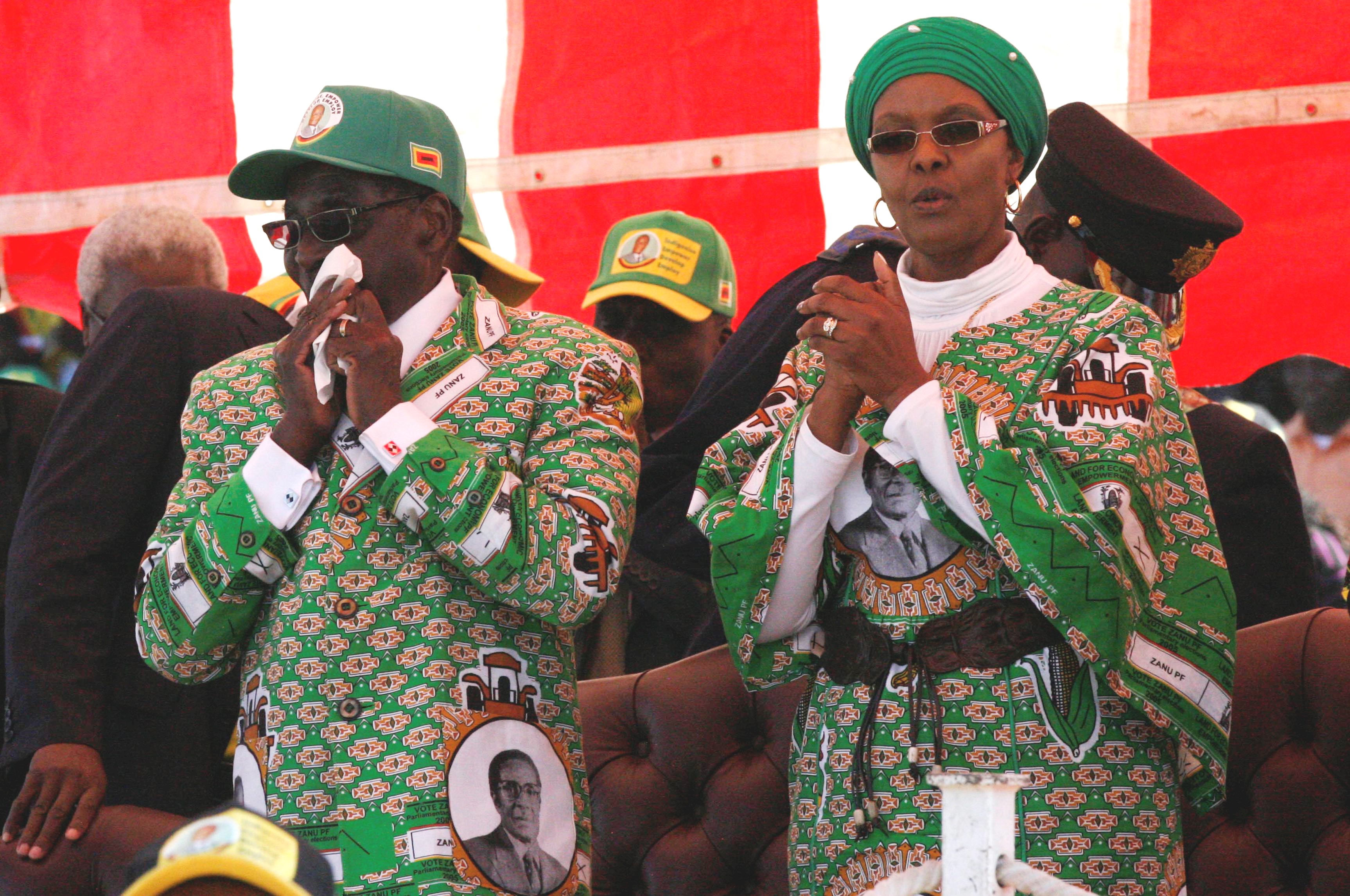
South Africa has deported Bellarmine Chatunga Mugabe, the son of former Zimbabwean President Robert Mugabe, after he pleaded guilty to multiple charges [1, 2].
The deportation marks the end of a legal battle involving the son of one of Africa's most polarizing former leaders. It highlights the strict application of South African immigration and public safety laws regardless of a defendant's political lineage.
Mugabe arrived at Robert Mugabe International Airport in Harare this week following the court's decision [1, 2]. The legal proceedings concluded after he pleaded guilty to charges that included breaching South African immigration laws and pointing a toy gun [2, 3].
These charges followed a separate incident that occurred three months prior, involving a shooting at the family home [2]. While the current deportation stems from the immigration and toy gun offenses, the sequence of events has drawn significant attention to the family's conduct while residing in South Africa [2].
As part of a plea deal, Mugabe avoided an attempted murder charge [3]. The court instead imposed a fine and ordered his immediate removal from the country [2, 3].
The case has been tracked by regional authorities and international media, focusing on the transition from the high-profile nature of the Mugabe family to the legal realities of the South African judicial system [1, 2].
“South Africa has deported Bellarmine Chatunga Mugabe, the son of former Zimbabwean President Robert Mugabe.”
The deportation of Bellarmine Chatunga Mugabe underscores South Africa's commitment to enforcing immigration and criminal laws against foreign nationals, including those with high-profile political backgrounds. By utilizing a plea deal to resolve charges ranging from immigration breaches to firearm-related incidents, the judicial system avoided a protracted trial while ensuring the defendant's removal from the country.


