
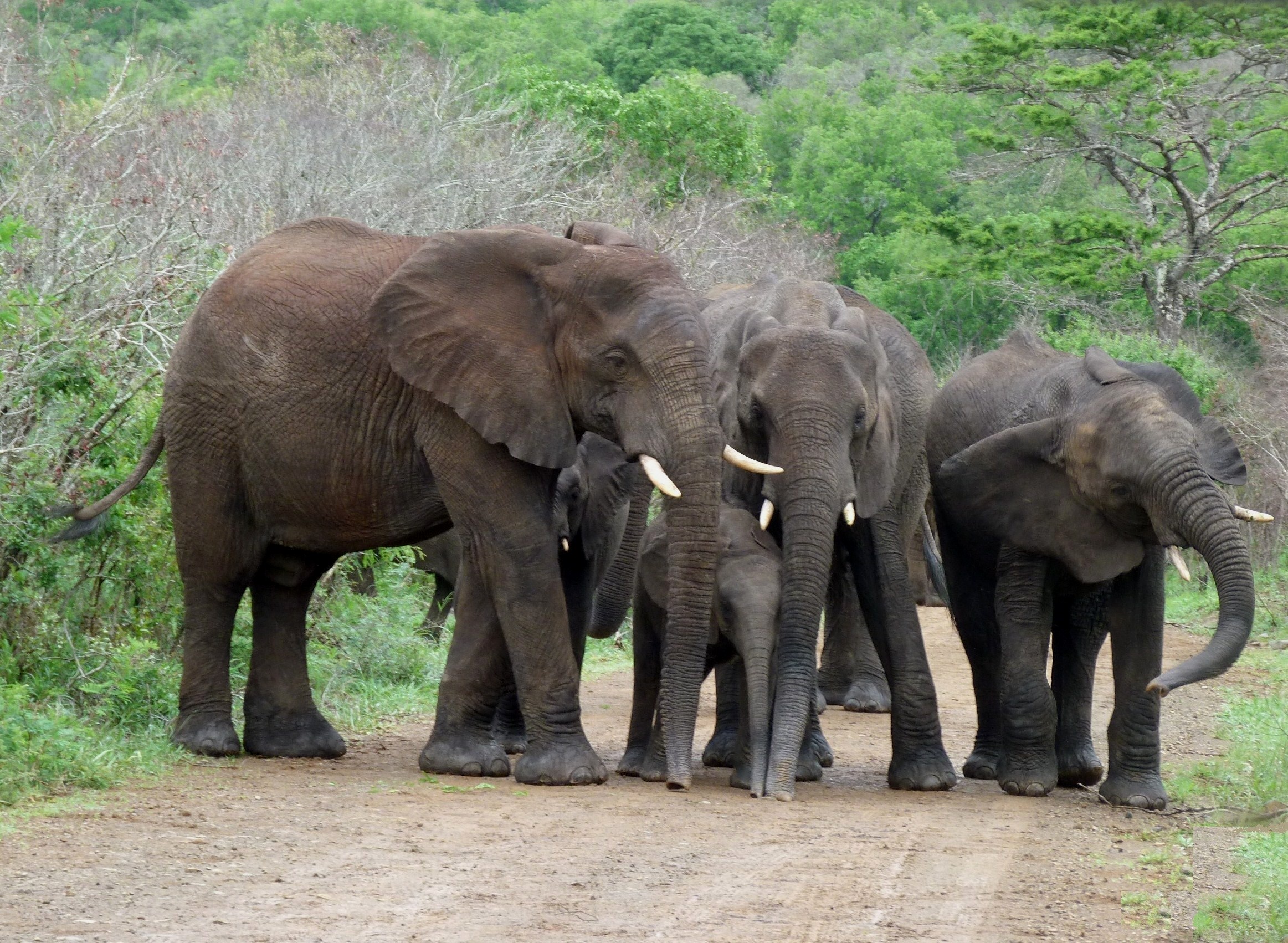
South African officials warned that bureaucratic delays and elephant overpopulation could force the use of culling as a last-resort measure in wildlife reserves [1].
The debate highlights a growing tension between wildlife management goals and animal welfare. If the government moves toward culling, it would signal a significant shift in conservation strategy for the KwaZulu-Natal province, where state-run and private reserves are struggling to manage herd sizes [2].
Members of Parliament and the Deputy Environment Minister discussed the crisis on May 29, 2026 [1]. Officials said that governance failures and regulatory delays have hindered the ability to move elephants to other areas, potentially leaving lethal intervention as the only remaining option [2].
However, the premise of the crisis is contested. Some reports indicate that the "overpopulation crisis" in KwaZulu-Natal is being presented as a scientific inevitability to justify the practice [3]. Other analysis suggests that official responses are contradictory and lack the evidence necessary to support such a drastic measure [3].
Animal welfare groups have joined the parliamentary criticism, arguing that the current situation is a result of policy failure rather than an unavoidable biological necessity [1]. They said that the regulatory process has not kept pace with the rhetoric used by those pushing for culling [3].
The disagreement centers on whether the reserves have truly reached a carrying capacity that threatens the ecosystem, or if the administrative failures of the state are being used to justify the killing of animals [2], [3].
“Bureaucratic delays could lead to last-resort culling of SA elephants.”
The conflict reflects a broader struggle in South African conservation between ecological carrying capacity and the administrative efficiency of the state. If the government authorizes culling based on bureaucratic failure rather than verified scientific data, it may set a precedent that prioritizes convenience over animal welfare and established conservation ethics.


