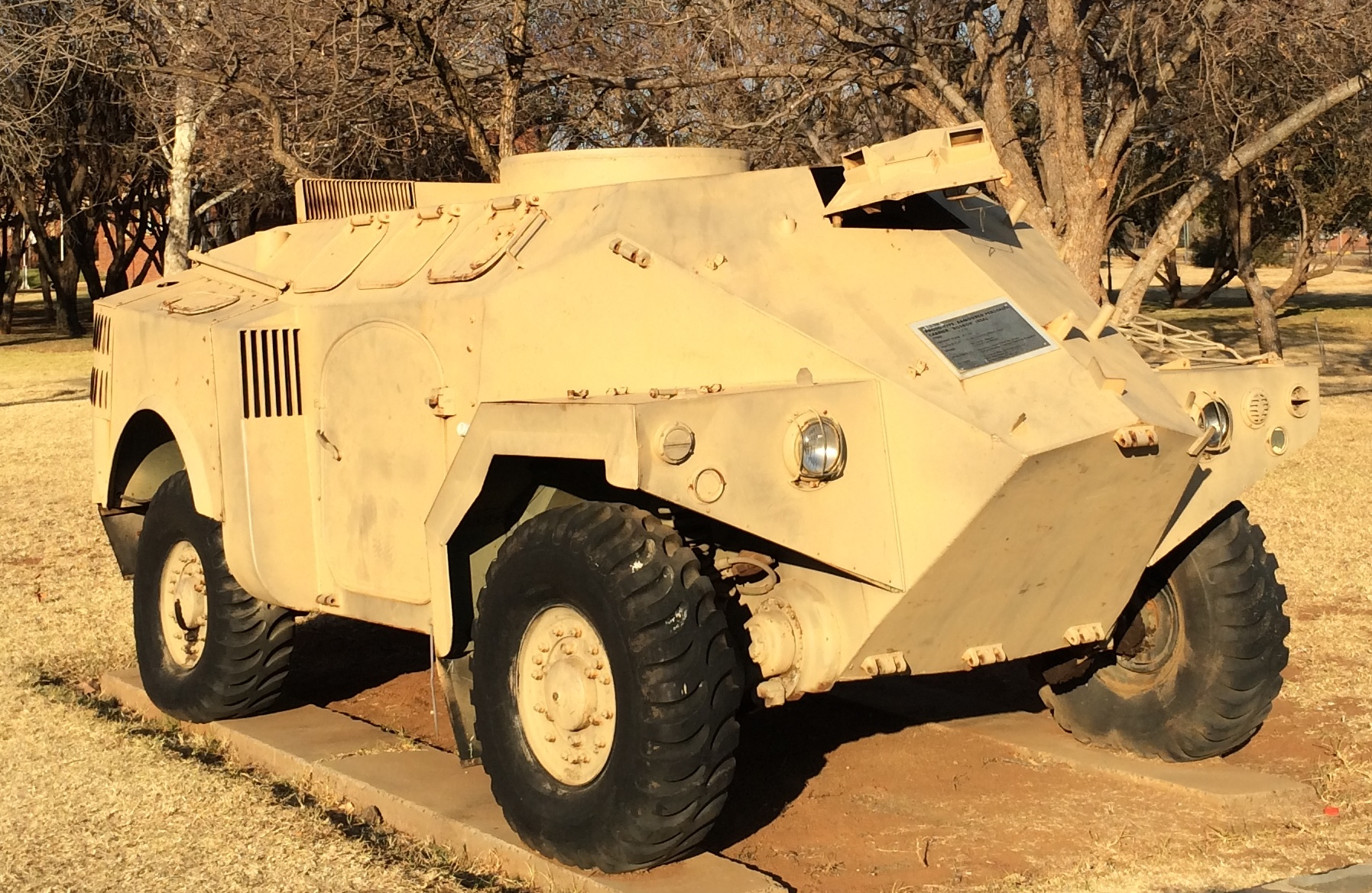
South African security forces are deploying drones, helicopters, and armored personnel carriers to prevent violence during planned anti-immigrant protests this Tuesday [1, 2].
The mobilization reflects a high-level effort to maintain order during a planned national shutdown. Officials are attempting to preempt social unrest and targeted crimes against immigrant populations that have historically surged during such demonstrations [1, 3].
The Acting Police Minister and President Cyril Ramaphosa have coordinated a massive security response across the country [1, 3]. This effort includes the use of biometric immigration checks and the deployment of armored personnel carriers (APCs) to high-risk areas [1, 2].
Financial resources for the operation are significant. The government has allocated R600 million to secure the June 30 protests [4]. This budget supports a wide array of tactical assets, including drones and helicopters currently on standby [2].
In addition to tactical gear, the administration is increasing personnel. President Ramaphosa has announced the recruitment of 10,000 additional inspectors to bolster immigration and security enforcement [3].
While the protests are national in scope, security agencies have flagged specific hotspots. KwaZulu-Natal is identified as a primary area of concern, and authorities have issued heightened alerts for residents and businesses in Cape Town [1, 5].
Security agencies said these measures are necessary to ensure that the right to protest does not result in the destruction of property or loss of life [1]. The focus remains on preventing the escalation of anti-immigrant sentiment into widespread urban conflict [1, 3].
“The government has allocated R600 million to secure the June 30 protests.”
The scale of this deployment—combining heavy military-grade hardware with a R600 million budget—indicates that the South African government views the June 30 demonstrations as a significant threat to national stability. By focusing on biometric checks and increasing inspectors, the state is linking the prevention of social unrest directly to stricter immigration enforcement, attempting to address the root cause of the protests while suppressing the resulting violence.


