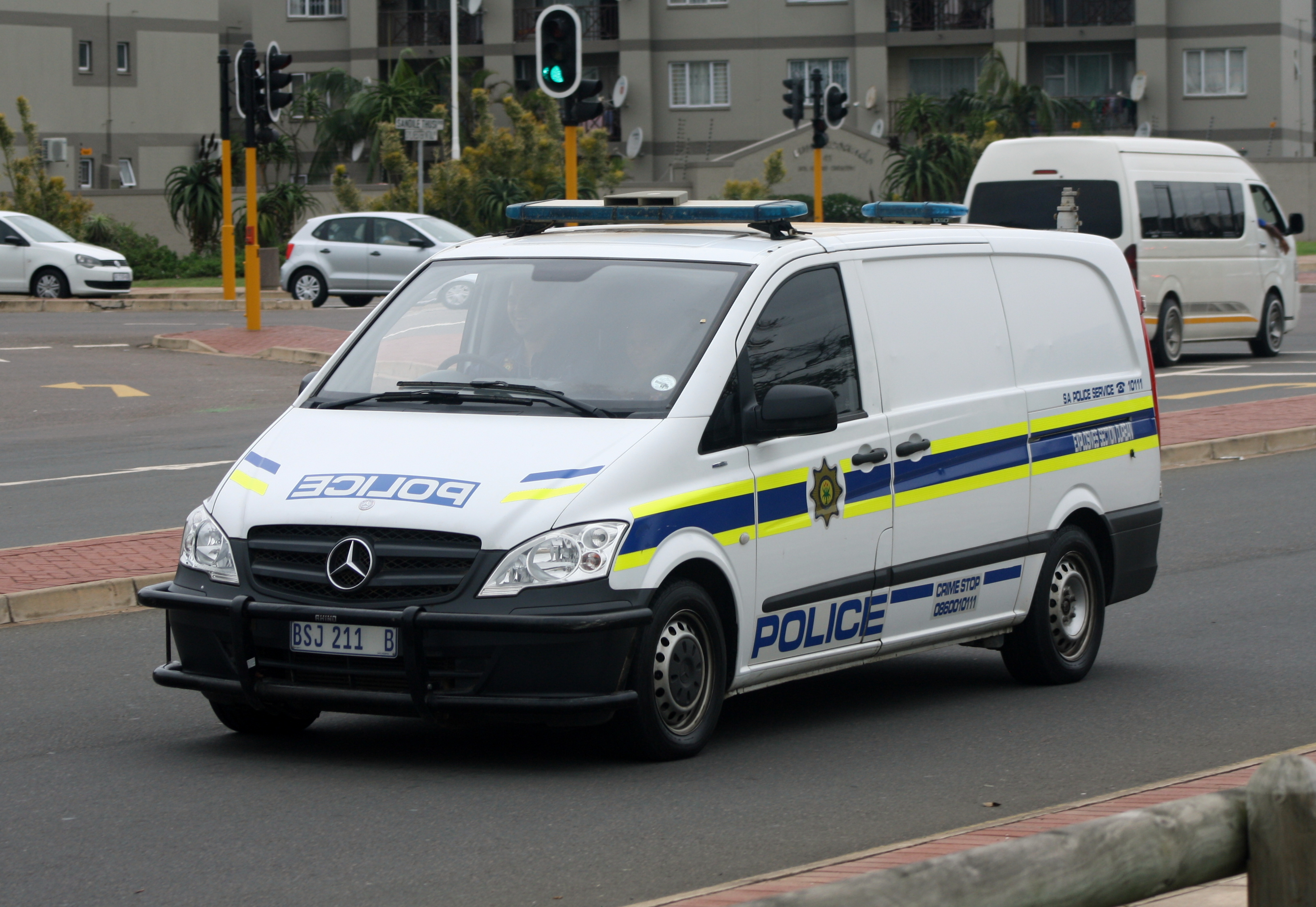
Acting Police Minister Firoz Cachalia launched a national policing reset agenda during a two-day meeting in White River, Mpumalanga [1].
The initiative aims to reverse declining public confidence in the South African Police Service by focusing resources on the most volatile regions. By shifting toward a targeted precinct model, the government intends to curb crime rates through more precise resource allocation.
Cachalia met with provincial Members of the Executive Council (MECs) from July 24 to 25 to coordinate the strategy [1]. The gathering served as the second Police Meeting of the Minister and Members of the Executive Council, known as MINMEC [1, 2].
Central to the new agenda is the identification of specific hotspots for immediate intervention. Cachalia said, "We will focus on 140 high‑crime precincts to deliver results for South Africans" [2]. This targeted approach seeks to prioritize police stations where crime is most prevalent to ensure a more efficient deployment of officers and equipment [1, 2].
Beyond the numerical targets, the reset focuses on the relationship between the police and the communities they serve. The minister said the current shift is a critical turning point for the national security apparatus.
"This is a defining moment in the evolution and resetting of police in our country," Cachalia said [1].
The two-day session [1] concluded with provincial MECs endorsing the plan to rebuild trust, and improve the operational effectiveness of the SAPS. The reset is designed to streamline how police stations operate and how they are held accountable for crime reduction in their respective jurisdictions [1, 2].
“"This is a defining moment in the evolution and resetting of police in our country."”
The focus on 140 specific precincts indicates a shift from a generalized national policing strategy to a data-driven, localized approach. By concentrating resources on high-crime areas, the South African government is attempting to create visible 'wins' in crime reduction to regain public trust, though the success of the reset will depend on whether the SAPS can maintain these gains without neglecting lower-crime districts.

'%2F%3E%0A%20%20%20%20%3Crect%20width%3D'1600'%20height%3D'900'%20fill%3D'url(%23v)'%2F%3E%0A%20%20%20%20%3Cg%20opacity%3D'0.08'%20fill%3D'%23ffffff'%3E%0A%20%20%20%20%20%20%3Ccircle%20cx%3D'1420'%20cy%3D'180'%20r%3D'220'%2F%3E%0A%20%20%20%20%20%20%3Ccircle%20cx%3D'1500'%20cy%3D'760'%20r%3D'120'%2F%3E%0A%20%20%20%20%3C%2Fg%3E%0A%20%20%20%20%3Cline%20x1%3D'80'%20y1%3D'172'%20x2%3D'220'%20y2%3D'172'%20stroke%3D'%23ffffff'%20stroke-width%3D'3'%20stroke-opacity%3D'0.6'%2F%3E%0A%20%20%20%20%3Ctext%20x%3D'80'%20y%3D'140'%20font-family%3D'Inter%2C%20-apple-system%2C%20Helvetica%2C%20sans-serif'%20font-weight%3D'700'%20font-size%3D'28'%20fill%3D'%23ffffff'%20letter-spacing%3D'6'%3EHANNA%20%C2%B7%20NEWS%3C%2Ftext%3E%0A%20%20%20%20%3Ctext%20x%3D'80'%20y%3D'230'%20font-family%3D'Inter%2C%20-apple-system%2C%20Helvetica%2C%20sans-serif'%20font-weight%3D'600'%20font-size%3D'40'%20fill%3D'%23ffffffb3'%20letter-spacing%3D'4'%3EWORLD%3C%2Ftext%3E%0A%20%20%20%20%3Ctext%20x%3D'80'%20y%3D'694'%20font-family%3D'Playfair%20Display%2C%20Georgia%2C%20serif'%20font-weight%3D'800'%20font-size%3D'110'%20fill%3D'%23ffffff'%20letter-spacing%3D'-1'%3EResearchers%20Study%20Impact%20of%3C%2Ftext%3E%3Ctext%20x%3D'80'%20y%3D'820'%20font-family%3D'Playfair%20Display%2C%20Georgia%2C%20serif'%20font-weight%3D'800'%20font-size%3D'110'%20fill%3D'%23ffffff'%20letter-spacing%3D'-1'%3EBroken%20Heart%20Syndrome%3C%2Ftext%3E%0A%20%20%20%20%3Ctext%20x%3D'80'%20y%3D'870'%20font-family%3D'Inter%2C%20-apple-system%2C%20Helvetica%2C%20sans-serif'%20font-weight%3D'500'%20font-size%3D'22'%20fill%3D'%23ffffff66'%20letter-spacing%3D'2'%3Enews.hanna-ai.com%3C%2Ftext%3E%0A%20%20%3C%2Fsvg%3E)
