National Assembly Speaker Woo Won-shik halted the procedure to place a constitutional amendment bill on the floor vote agenda on May 8, 2024 [1].
The pause reflects a deepening legislative deadlock between the ruling Democratic Party of Korea and the opposition People Power Party (PPP). Because constitutional changes require a high threshold of consensus, the inability to agree on the voting process threatens to stall broader institutional reforms.
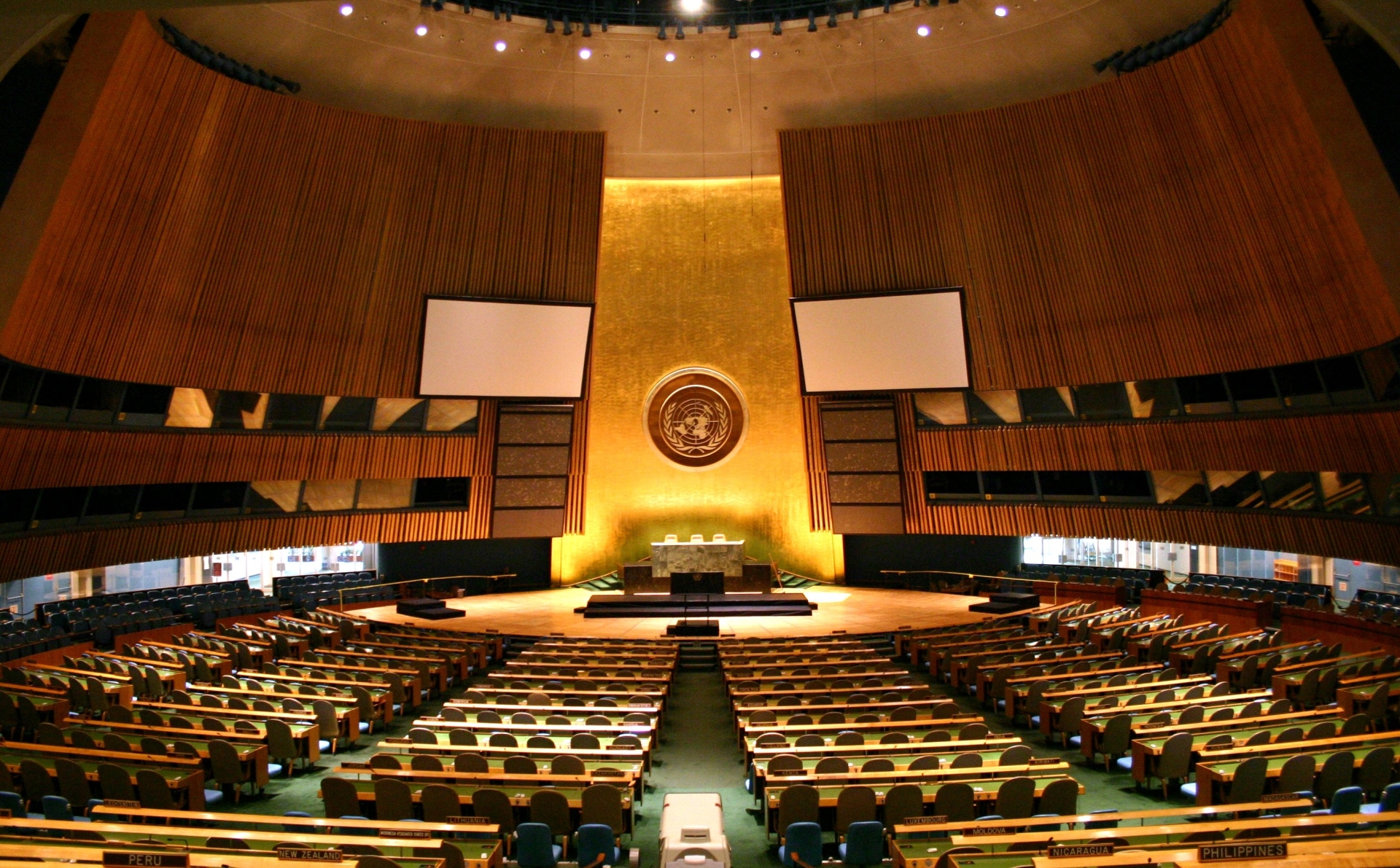
The decision occurred during a plenary session of the National Assembly in Seoul [1]. Speaker Woo said the procedure was stopped in response to a request from the PPP for an unlimited-debate filibuster regarding the amendment [1].
This legislative friction comes amid a broader push by the Speaker for constitutional reform. In separate efforts to build support for reform, Woo visited Busan on May 14, 2024, and Masan on May 15, 2024 [2]. During those visits, he said he advocated for reforms that would include the recognition of historical uprisings [2].
The PPP's demand for a filibuster serves as a primary tool to delay the vote, as the opposition seeks more time to contest the specific language of the proposed amendments. By halting the agenda, the Speaker avoided a direct confrontation on the floor that could have led to a prolonged legislative stalemate, a common occurrence in the current political climate of Seoul.
Under the current rules, the National Assembly must navigate these procedural hurdles before any amendment can move to a final vote. The halt means the bill remains in limbo until the ruling party and the PPP reach a compromise on the debate timeline, or the Speaker decides to override the opposition's request [1].
“The National Assembly halted the procedure to place the constitutional amendment bill on the agenda.”
The suspension of the vote underscores the fragility of the legislative process in South Korea, where the ruling party's agenda is frequently checked by the opposition's use of filibusters. By pausing the procedure, the National Assembly is attempting to avoid a total collapse of the session, but the move also signals that significant constitutional changes will remain elusive without a major political compromise.
'%2F%3E%0A%20%20%20%20%3Crect%20width%3D'1600'%20height%3D'900'%20fill%3D'url(%23v)'%2F%3E%0A%20%20%20%20%3Cg%20opacity%3D'0.08'%20fill%3D'%23ffffff'%3E%0A%20%20%20%20%20%20%3Ccircle%20cx%3D'1420'%20cy%3D'180'%20r%3D'220'%2F%3E%0A%20%20%20%20%20%20%3Ccircle%20cx%3D'1500'%20cy%3D'760'%20r%3D'120'%2F%3E%0A%20%20%20%20%3C%2Fg%3E%0A%20%20%20%20%3Cline%20x1%3D'80'%20y1%3D'172'%20x2%3D'220'%20y2%3D'172'%20stroke%3D'%23ffffff'%20stroke-width%3D'3'%20stroke-opacity%3D'0.6'%2F%3E%0A%20%20%20%20%3Ctext%20x%3D'80'%20y%3D'140'%20font-family%3D'Inter%2C%20-apple-system%2C%20Helvetica%2C%20sans-serif'%20font-weight%3D'700'%20font-size%3D'28'%20fill%3D'%23ffffff'%20letter-spacing%3D'6'%3EHANNA%20%C2%B7%20NEWS%3C%2Ftext%3E%0A%20%20%20%20%3Ctext%20x%3D'80'%20y%3D'230'%20font-family%3D'Inter%2C%20-apple-system%2C%20Helvetica%2C%20sans-serif'%20font-weight%3D'600'%20font-size%3D'40'%20fill%3D'%23ffffffb3'%20letter-spacing%3D'4'%3EWORLD%3C%2Ftext%3E%0A%20%20%20%20%3Ctext%20x%3D'80'%20y%3D'622'%20font-family%3D'Playfair%20Display%2C%20Georgia%2C%20serif'%20font-weight%3D'800'%20font-size%3D'86'%20fill%3D'%23ffffff'%20letter-spacing%3D'-1'%3EAnti-Immigrant%20Protests%3C%2Ftext%3E%3Ctext%20x%3D'80'%20y%3D'721'%20font-family%3D'Playfair%20Display%2C%20Georgia%2C%20serif'%20font-weight%3D'800'%20font-size%3D'86'%20fill%3D'%23ffffff'%20letter-spacing%3D'-1'%3EParalyze%20Several%20South%3C%2Ftext%3E%3Ctext%20x%3D'80'%20y%3D'820'%20font-family%3D'Playfair%20Display%2C%20Georgia%2C%20serif'%20font-weight%3D'800'%20font-size%3D'86'%20fill%3D'%23ffffff'%20letter-spacing%3D'-1'%3EAfrican%20Cities%3C%2Ftext%3E%0A%20%20%20%20%3Ctext%20x%3D'80'%20y%3D'870'%20font-family%3D'Inter%2C%20-apple-system%2C%20Helvetica%2C%20sans-serif'%20font-weight%3D'500'%20font-size%3D'22'%20fill%3D'%23ffffff66'%20letter-spacing%3D'2'%3Enews.hanna-ai.com%3C%2Ftext%3E%0A%20%20%3C%2Fsvg%3E)