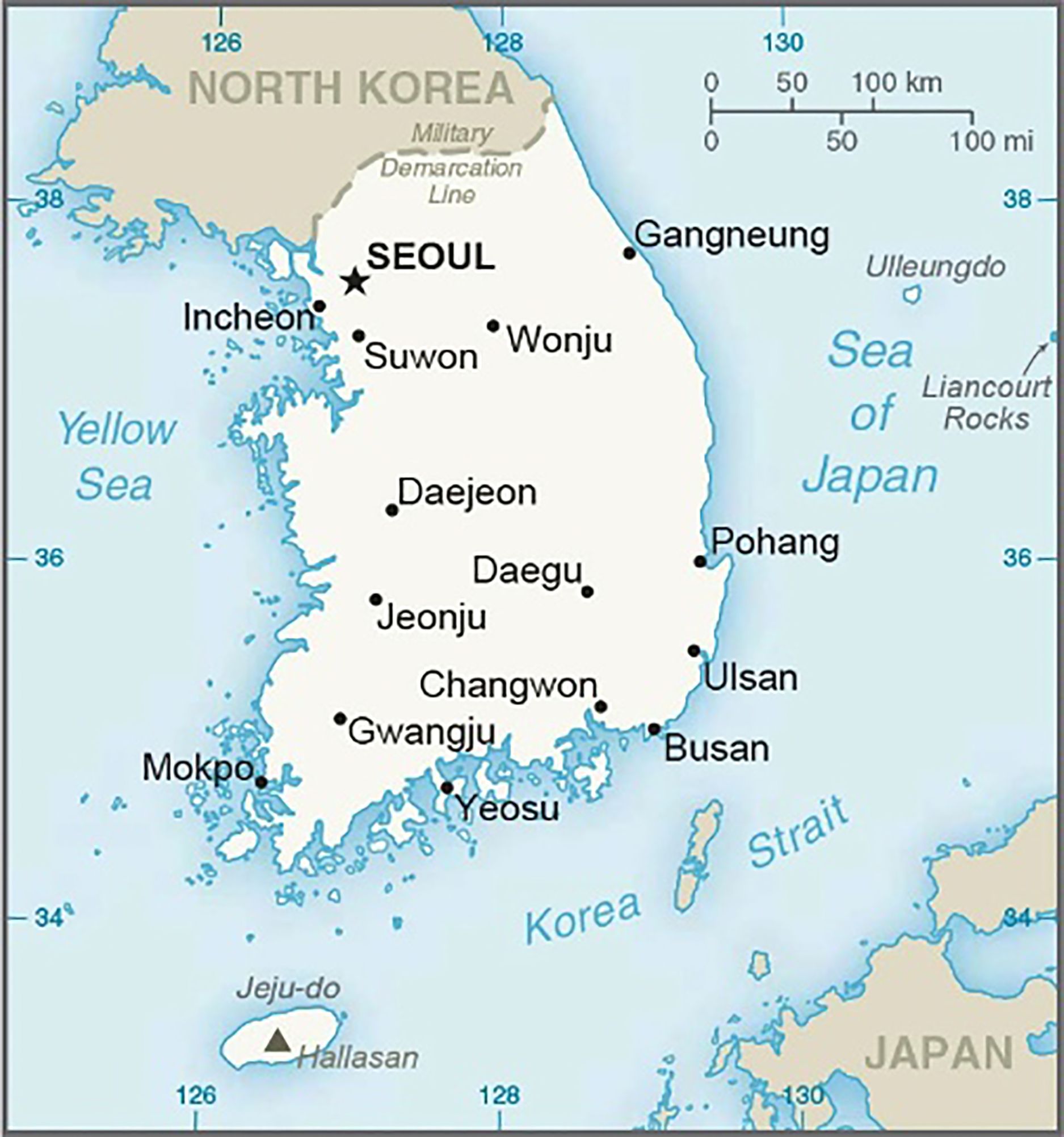
South Korean authorities will begin full enforcement of a ban on dog meat next year, effectively ending the sale of bosintang at restaurants [1], [2].
This transition marks a significant cultural shift in the country's culinary landscape. The move codifies a growing societal rejection of the practice and removes a long-standing, controversial element of traditional summer health foods.
The legal framework for this change was established when the dog-meat prohibition law was enacted in 2024 [1]. While the law is already in place, the government has provided a grace period for businesses to adjust their operations. Strict inspections and full enforcement are scheduled to start in 2026 [1].
The impact is already visible at establishments that serve traditional stamina foods. In Bundang-gu, Seongnam, Gyeonggi Province, restaurant owner Lee Kang-chun noted a shift in consumer behavior. Lee said the current order ratio between black-goat soup and bosintang is approximately seven to three [2].
Lee said that because the practice is becoming legalized as a prohibition, the culture of eating bosintang is slowing down [2]. Many restaurants are pivoting toward alternatives like black-goat soup to maintain their business during the three hottest days of summer, known as Boknal.
Customers continue to visit these establishments to seek strength during the heat. Yang Su-seung, a diner, said that eating the soup provided a good taste and a feeling of strength that would help them get through the summer [2].
As the 2026 enforcement date approaches, the supply of dog meat is expected to dwindle. This supply difficulty, combined with the looming legal penalties, is prompting restaurant owners to remove bosintang from their menus entirely before the deadline [1], [2].
“Full enforcement of a ban on dog meat will begin next year.”
The shift from a legal gray area to a strict prohibition represents the final stage of a long-term societal transition in South Korea. By replacing dog meat with alternatives like black-goat soup, the government is managing the economic transition for small business owners while aligning national law with modern animal welfare standards.


![King Felipe VI of Spain and U.S. Secretary of State John Kerry chat before their bilateral meeting at the Zarzuela Palace in Madrid, Spain, on October 19, 2015. [State Department photo/ Public Domain]](https://upload.wikimedia.org/wikipedia/commons/f/f3/Secretary_Kerry_and_King_Felipe_VI_of_Spain_Chat_Before_Their_Meeting_in_Madrid_%2821679152884%29.jpg)