
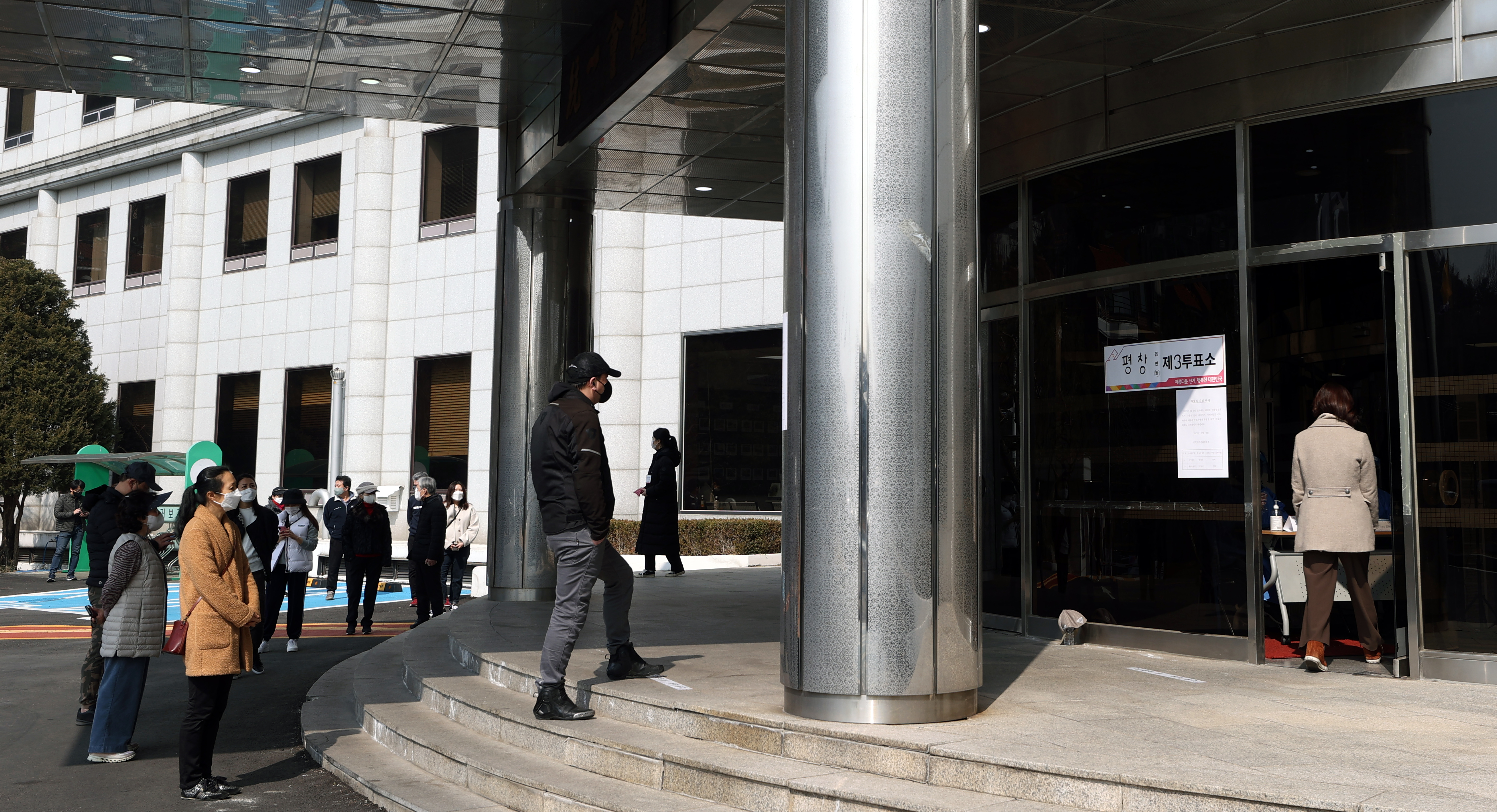
South Korean President Lee Jae Myung ordered a full investigation Sunday into a ballot-paper shortage that disrupted recent local elections [1, 2].
The probe follows reports that eligible voters were unable to cast their ballots, raising significant concerns about the integrity of the democratic process in the capital. Because the shortage occurred at multiple sites, the government is treating the incident as a failure of electoral administration.
The shortages occurred during the local elections held on June 3, 2024 [3]. According to official reports, 14 polling stations ran out of ballot paper [3]. These disruptions were primarily reported at polling stations located in Seoul [1, 3].
President Lee said the incident was "difficult to comprehend" [1]. The shortage prevented eligible voters from casting their ballots, leading to public frustration and a demand for accountability [1, 4]. The scale of the unrest grew as thousands of protesters gathered to voice their concerns over the electoral failure [4].
Prime Minister Kim Min-seok reinforced the administration's commitment to finding the root cause of the error. "Every measure will be taken to investigate the ballot shortage," Kim said [3].
The investigation aims to determine whether the shortage was the result of administrative negligence or a systemic failure in the distribution of materials. Government officials said that the probe is necessary to safeguard future election integrity and ensure that such a shortage does not recur [1, 4].
“"The ballot shortage incident is difficult to comprehend," President Lee Jae Myung said.”
The investigation into the June 3, 2024 election disruptions reflects the high sensitivity of South Korean voters to electoral fairness. By ordering a full probe, the administration is attempting to neutralize claims of voter suppression or incompetence that could undermine the legitimacy of the local election results.


