
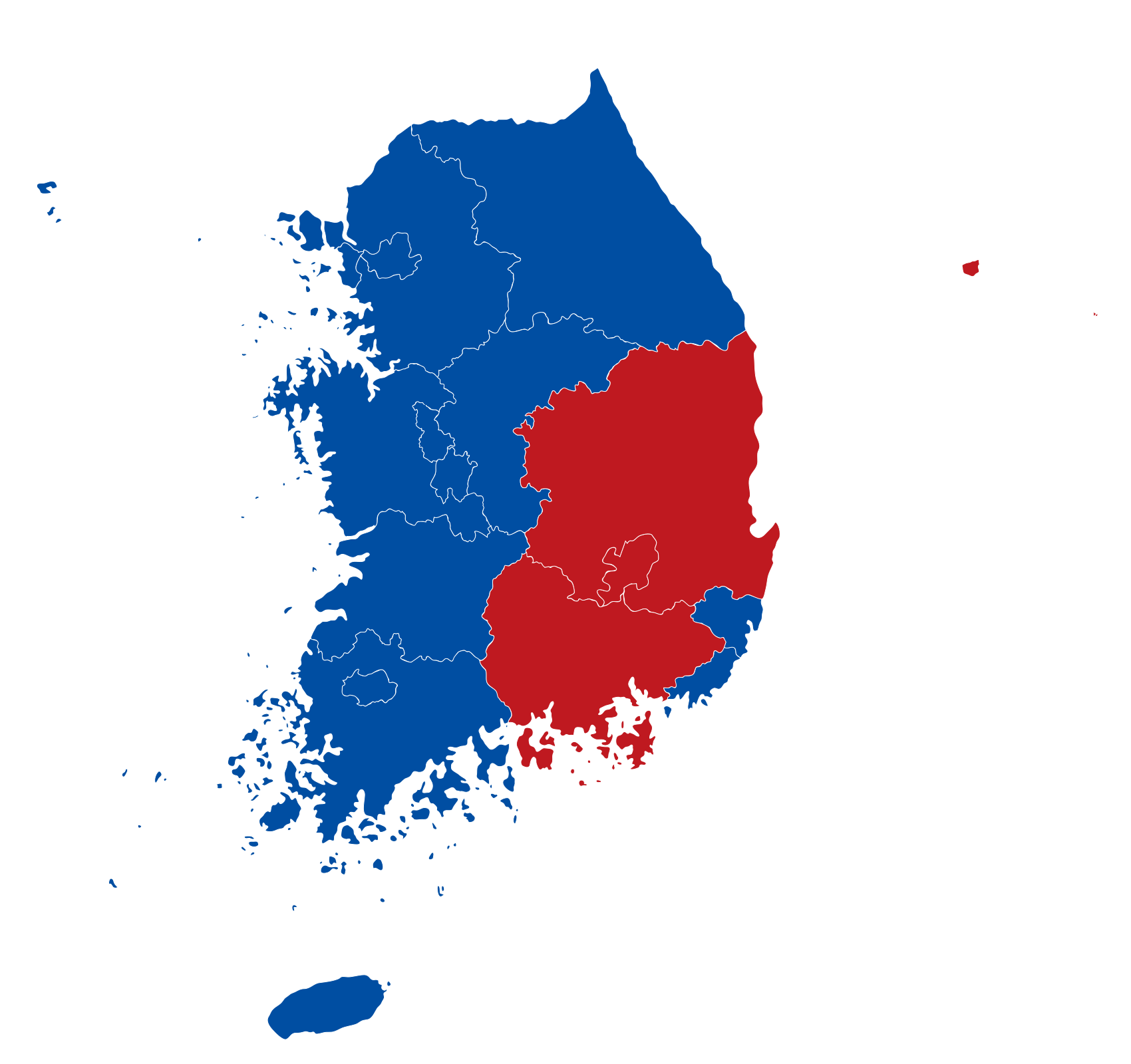
South Korean courts have dismissed claims of election fraud following ballot paper shortages during local elections held on June 3, 2026 [1].
The incident highlights vulnerabilities in the electoral logistics chain and the speed with which administrative errors can fuel political instability. The shortage triggered significant unrest, including the blockade of polling stations and the hospitalization of government staff.
Logistical failures involving the printing, storage, and transport of ballot papers caused shortages at several locations [2]. These issues were particularly evident at the Jamsil polling station in Seoul's Songpa-gu district and in Daegu city [3]. In one instance, a polling-station blockade lasted three days [1].
The chaos at the polls led to the spread of conspiracy theories alleging systemic fraud. However, the court said the claims were "groundless" [2].
In response to the irregularities, the Daegu election commission conducted a comprehensive review of the process. Officials inspected the entire cycle of ballot-paper printing, storage, and transport on the 20th of the month [3].
Despite these audits, the aftermath of the vote remained volatile. The combination of physical closures and missing materials provided a catalyst for local theorists to question the legitimacy of the results, even as judicial reviews found no evidence of intentional manipulation [2].
“The court said the claims were "groundless"”
This situation demonstrates how technical failures in election administration can be weaponized by conspiracy theorists to undermine public trust in democratic institutions. While the court found no evidence of fraud, the physical disruption and staff hospitalizations suggest that logistical fragility can create a perception of instability that persists long after the polls close.


